
Tuckpointing, the process of removing deteriorated mortar from the joints between bricks and replacing it with fresh material: is one of the most cost-effective maintenance tasks for any masonry chimney, and it is particularly relevant for Wellington's older masonry properties. The equestrian estates and the larger homes near the polo fields and bridle trails were built with real brick chimneys that have now absorbed decades of South Florida humidity. When the mortar joints begin to erode, even slightly, those chimneys are no longer waterproof, and every Wellington wet season drives that erosion a little further.
Tuckpointing & Masonry Repair: What the Work Looks Like
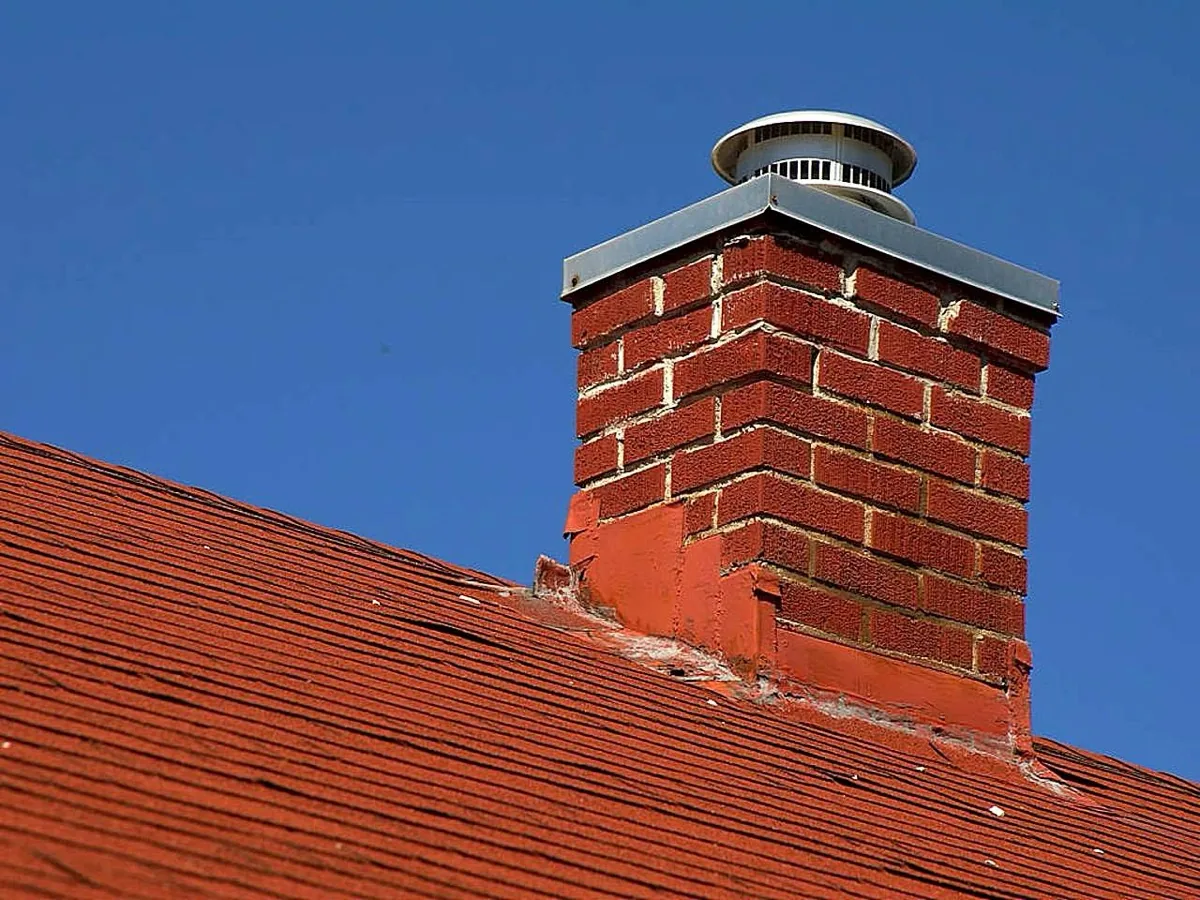
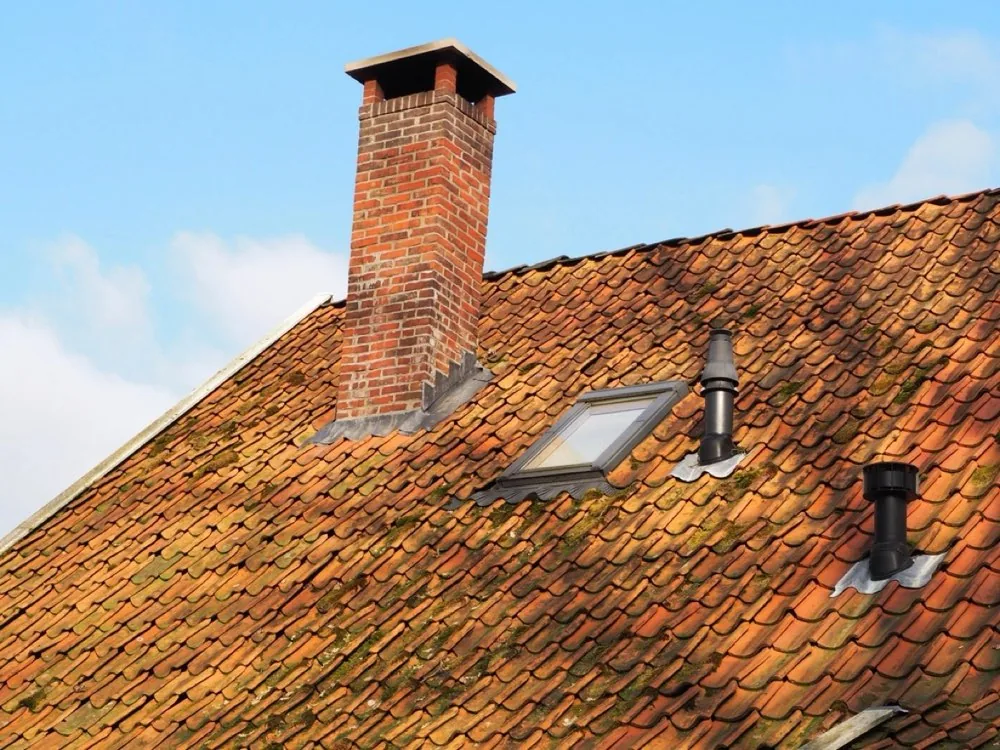
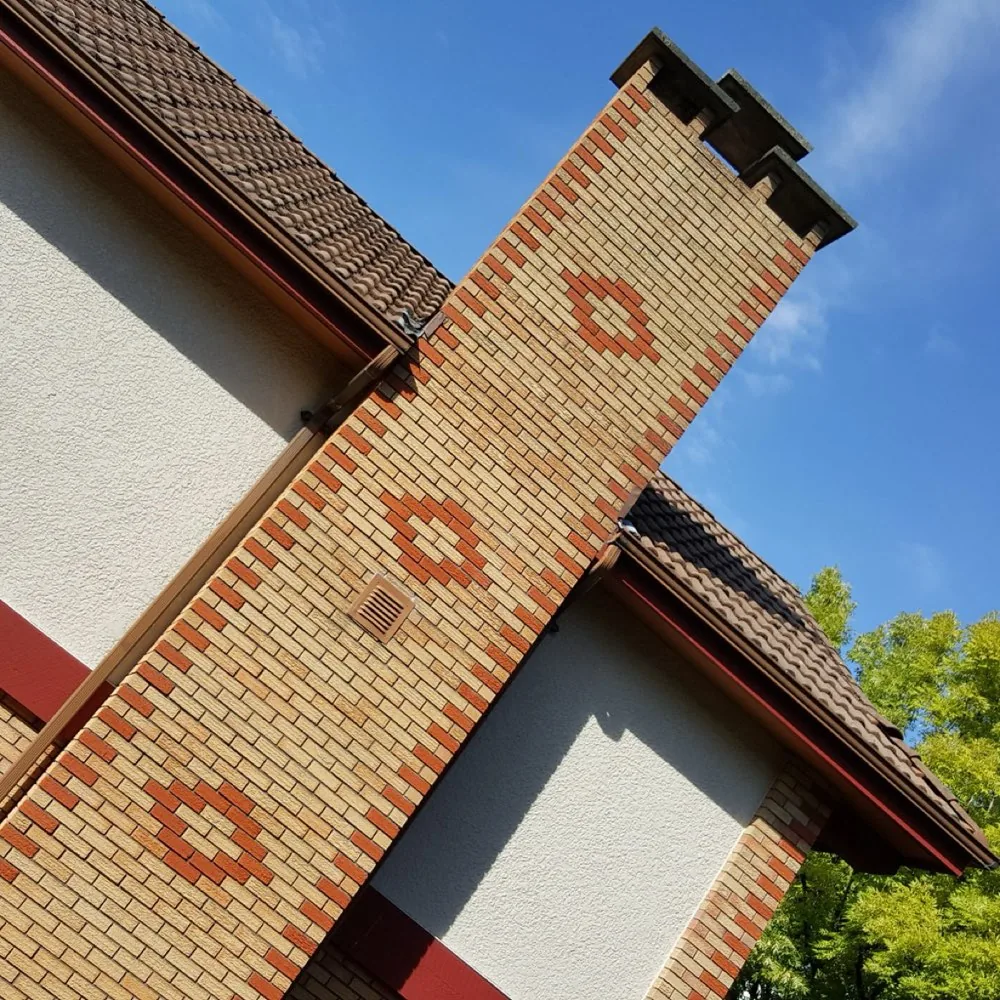
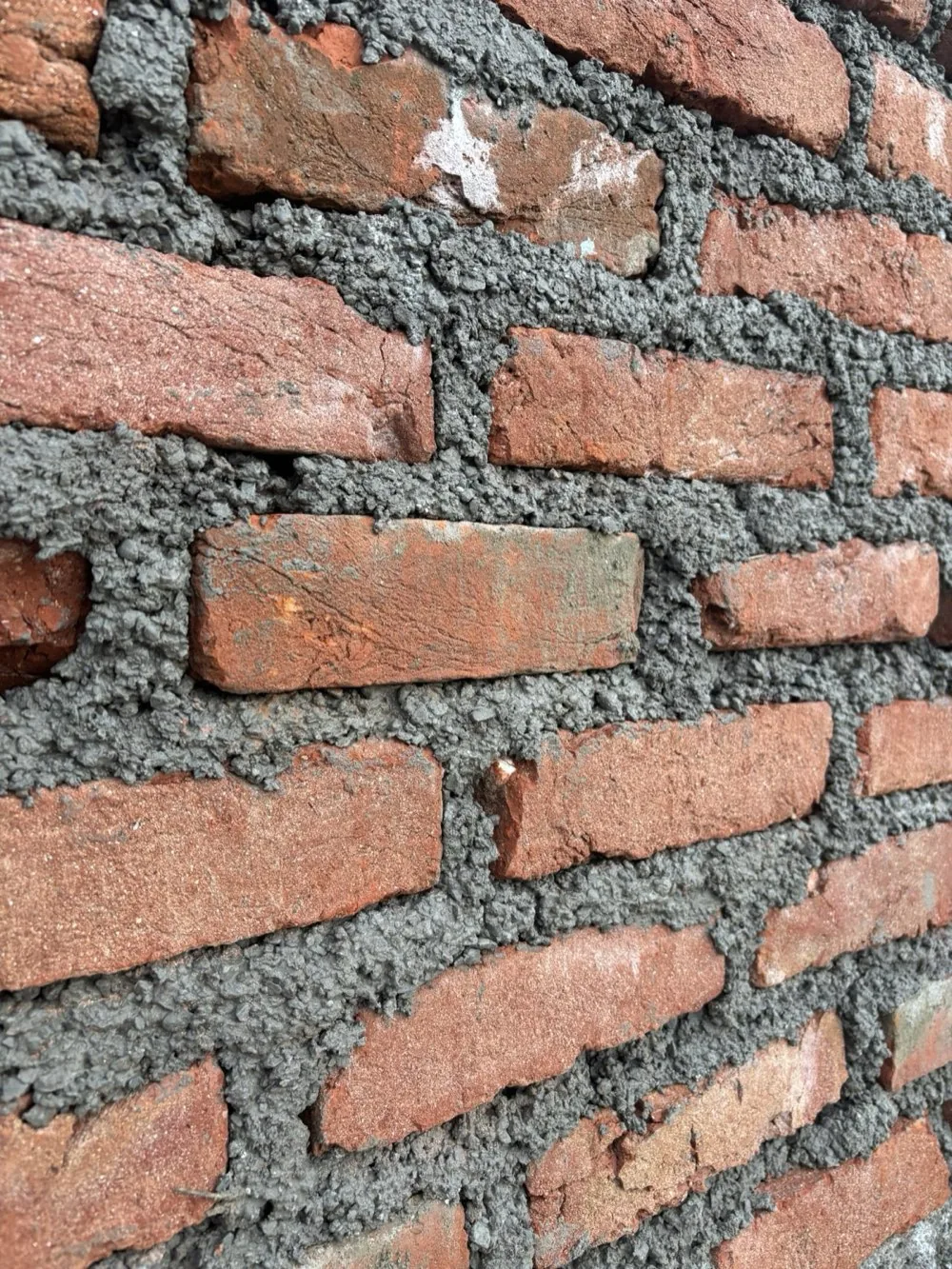
The kind of tuckpointing & masonry repair work we handle for Wellington homeowners, swipe to see more.
What Our Tuckpointing & Masonry Repair Service Includes
Joint Raking & Repointing
Failed mortar cut out to proper depth and repacked with fresh, matched mortar.
Water Resistance
Sealed joints stop water from getting behind the brick and into the structure.
Matched Finish
Mortar color and joint profile matched so the repair blends in cleanly.
Restored Strength
Sound joints carry the load again, keeping the masonry stable.
Why Wellington Homes Need Tuckpointing & Masonry Repair
What we look for in a Wellington tuckpointing job is specific to this climate. The joints most likely to fail first are the horizontal ones on the top two or three feet of the chimney, because that section gets the most direct rainfall and the most thermal cycling as the stack heats and cools. We also check the joints where the crown meets the brick, that transition point is under mechanical stress from the weight of the crown and from slight movement as the masonry dries out in the winter. Mortar that has pulled away from one side of the joint, leaving a shadow line, is already letting water track behind the brick face.
Our tuckpointing process in Wellington starts with a grinder or chisel to remove the deteriorated mortar to a minimum depth, typically three-quarters of an inch, so the new mortar has a solid mechanical key and is not just sitting on top of a dusty surface. We match the mortar mix to the original as closely as possible; an overly hard Portland cement mix on older brick will cause the brick itself to crack before the mortar fails, which is the opposite of what tuckpointing should do. The finished joints are struck to shed water outward and finished to be as invisible as possible against the existing masonry.
For Wellington homeowners with brick chimneys, tuckpointing is the kind of maintenance that is easy to defer because the chimney looks fine from the ground. But mortar erosion is cumulative and invisible until it becomes serious, and by the time bricks start to spall or the stack starts to move, you are past the point where tuckpointing alone is the answer. We can assess from the ground and, where needed, from the roof, and we will give you an honest read on whether your joints need attention now or can wait another season.
Signs You Need Tuckpointing & Masonry Repair
- Visible gaps, cracks, or missing mortar between the bricks
- Mortar that crumbles to sand or powder when you touch it
- Bricks that feel loose or can be moved by hand
- White staining (efflorescence) on the brick from water moving through the joints
How It Works
Call or Request a Quote
Tell us what's going on with your Wellington chimney or fireplace and we'll set a time that works.
Free On-Site Assessment
We come out, find the real cause, and give you honest, upfront pricing, no obligation.
Done Right, Fast
We finish the work cleanly and confirm everything is safe and ready to use.
Chimney & Fireplace Services in Wellington
Your local Wellington team for everything your chimney and fireplace need.
Chimney Repair
Cracked crowns, spalling brick, loose mortar, and water damage repaired to last.
Chimney Sweep & Cleaning
Creosote and debris removed so your fireplace draws cleanly and safely.
Chimney Inspection
Thorough top-to-bottom inspections, ideal before a sale or after a storm.
Chimney Leak & Flashing Repair
Stop water at its source: flashing, crown, and cap leaks common on Florida roofs.
Chimney Caps
New and replacement caps that keep out rain, debris, and nesting animals.
Chimney Crown Repair
Resealing and rebuilding the concrete crown that protects the top of your chimney.
Chimney Chase Repair
Repair and rebuild the framed chase and chase cover on prefab chimneys.
Chimney Rebuild
Full or partial rebuilds when masonry has deteriorated beyond a simple repair.
Tuckpointing & Masonry in Wellington
Failing mortar joints raked out and repointed to restore strength and looks.
Fireplace Repair & Service
Fireboxes, dampers, and surrounds repaired and restored to working order.
Fireplace Installation
Clean, careful installation of new fireplaces and inserts.
Gas Fireplace Service
Service and repair for gas fireplaces and inserts, done safely.
Fireplace Restoration
Bring a tired or damaged fireplace back to a clean, safe, working state.