
Direct answer
Chimney tuckpointing, commonly used to mean repointing, removes deteriorated mortar and packs the joints with compatible new mortar. It is appropriate when the brick remains sound and the joints are eroded or open. Spalled brick, structural cracks, a failed crown, or leaking flashing needs repair first or a different masonry scope.
Chimney Tuckpointing That Renews Deteriorated Mortar Joints
Sound surrounding brick can often remain in place while failed mortar is removed and renewed, preserving the distinction between joint repair and brick replacement.
Tuckpointing & Masonry Repair: What the Work Looks Like
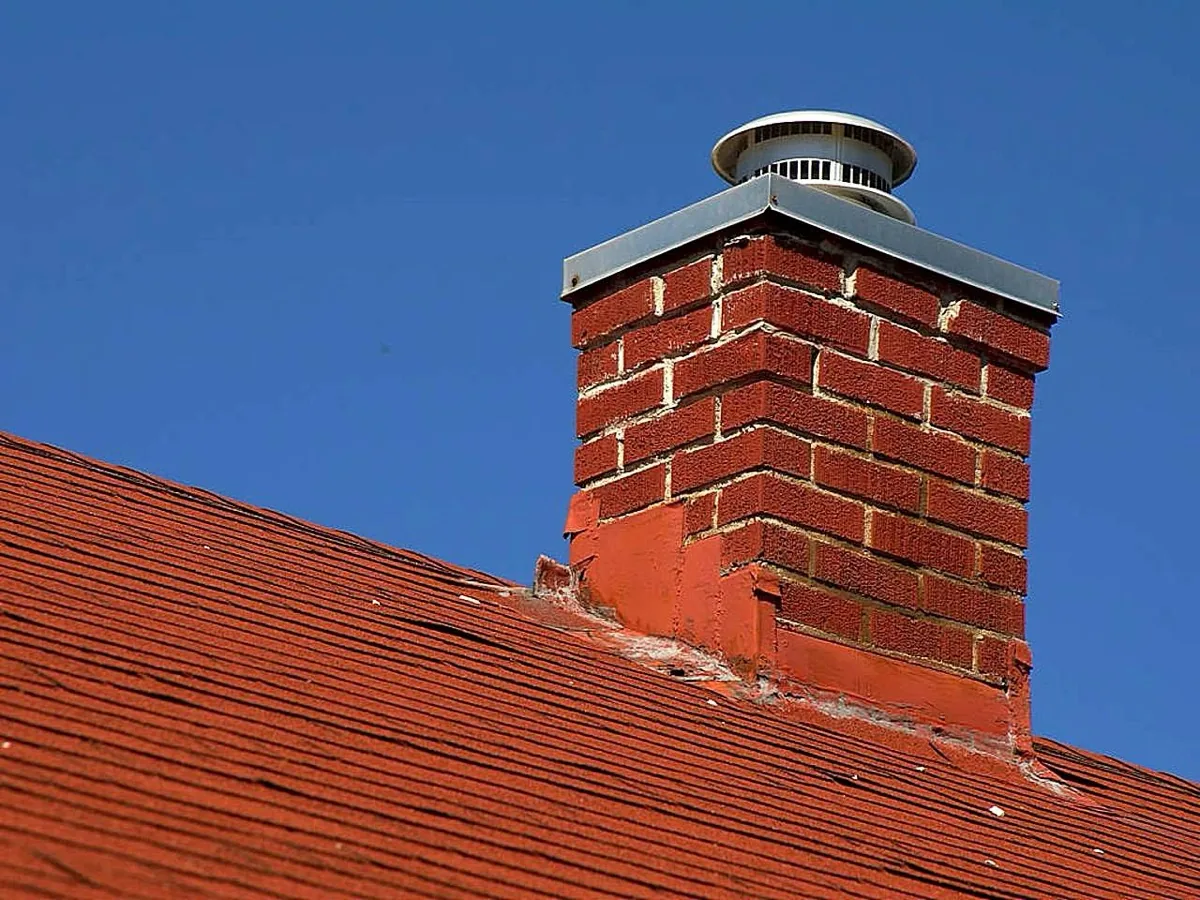
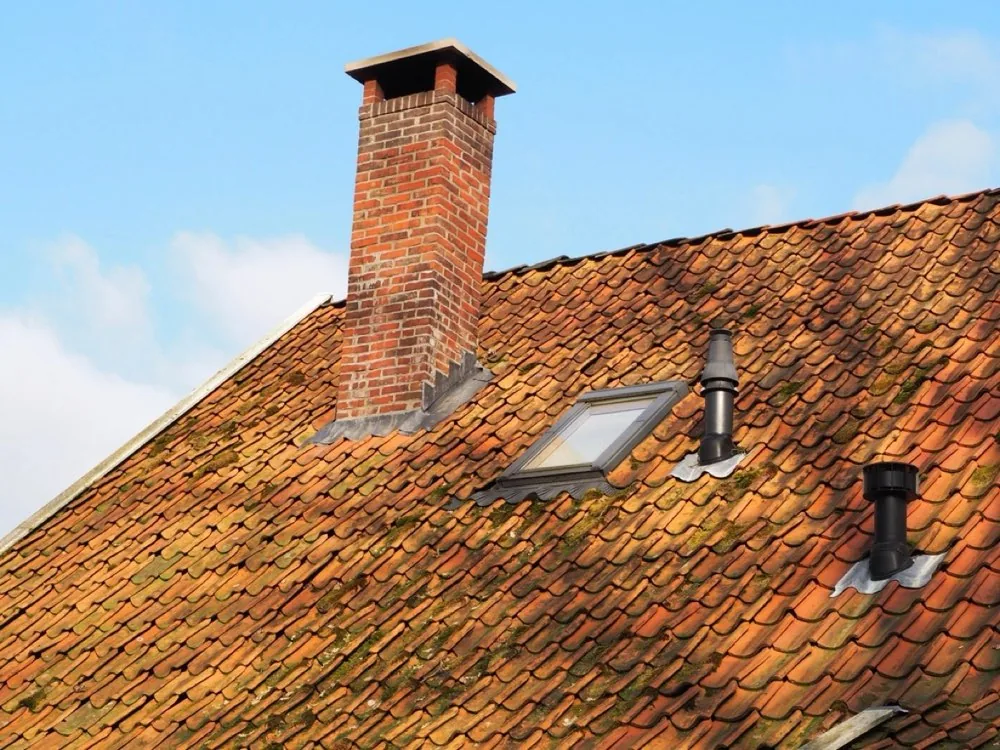
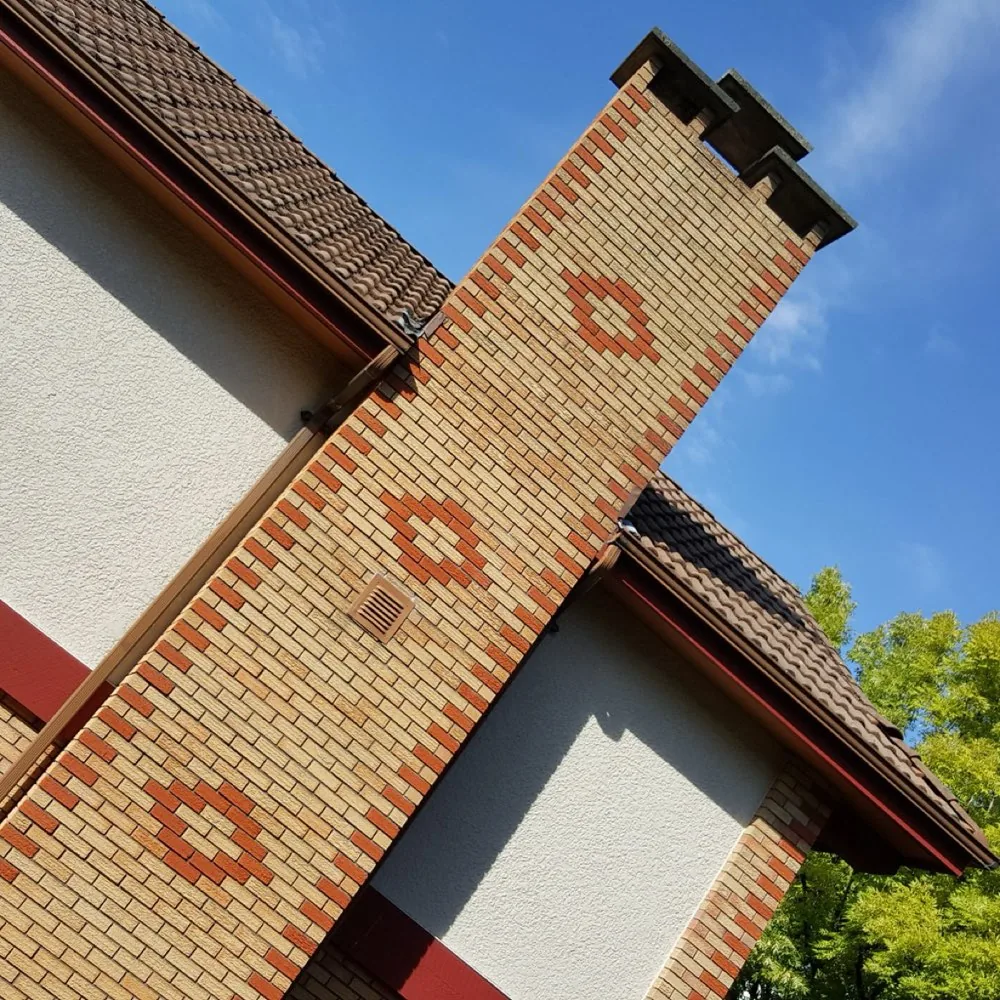
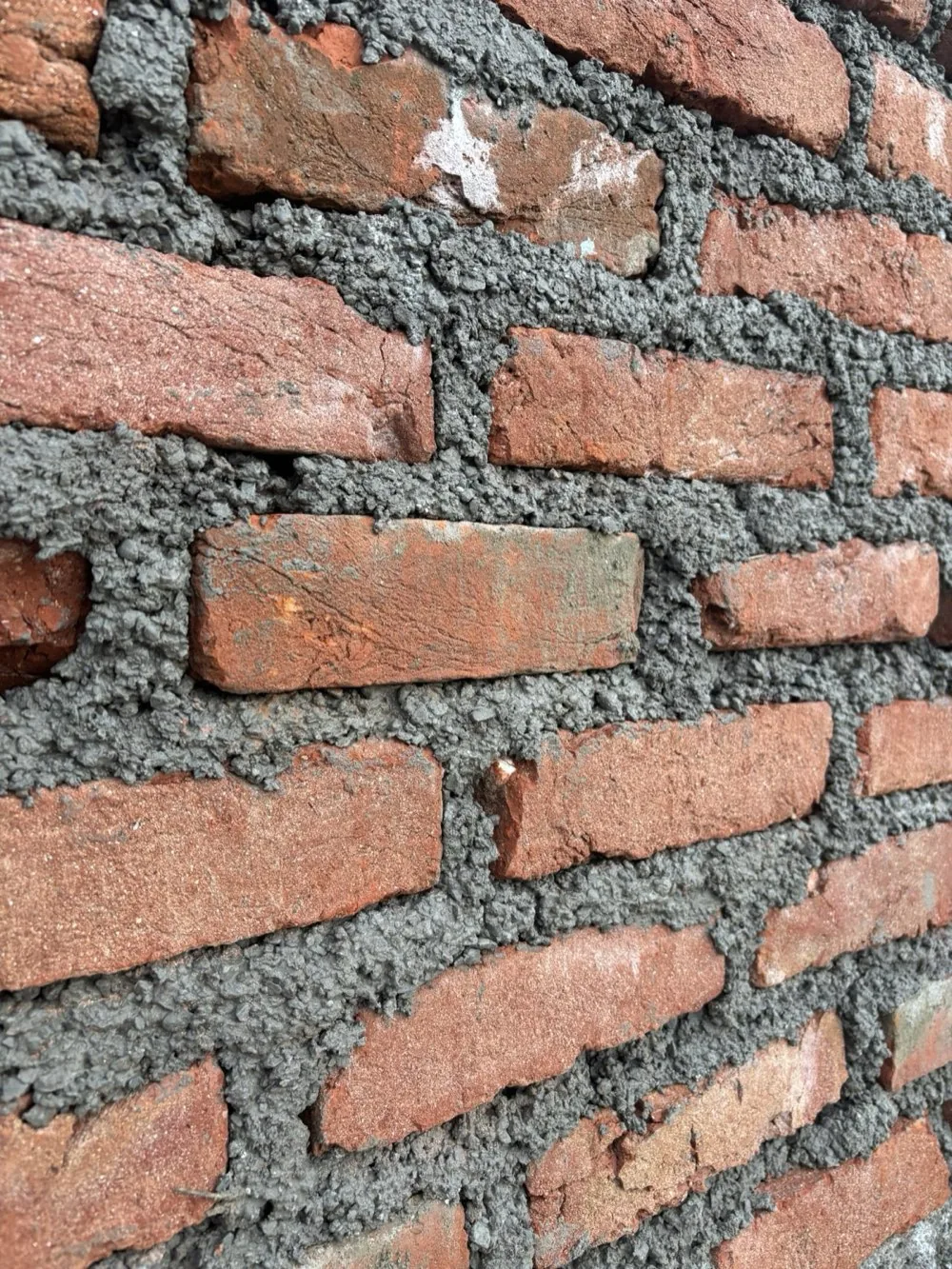
The kind of work we handle across Florida, swipe to see more.
What Our Tuckpointing & Masonry Repair Service Includes
Joint Raking & Repointing
Failed mortar cut out to proper depth and repacked with fresh, matched mortar.
Water Resistance
Sealed joints stop water from getting behind the brick and into the structure.
Matched Finish
Mortar color and joint profile matched so the repair blends in cleanly.
Restored Strength
Sound joints carry the load again, keeping the masonry stable.
Specialized Tuckpointing & Masonry Repair Services
Focused specialties we handle under Tuckpointing & Masonry Repair.
Signs You Need Tuckpointing & Masonry Repair
- Visible gaps, cracks, or missing mortar between the bricks
- Mortar that crumbles to sand or powder when you touch it
- Bricks that feel loose or can be moved by hand
- White staining (efflorescence) on the brick from water moving through the joints
Tuckpointing (also called repointing) is the repair of the mortar joints between the bricks. Mortar is softer than brick by design, so it's the first thing to erode, and once the joints open up, water gets behind the brick, the structure weakens, and the damage accelerates. Florida's humidity and driving rain are hard on mortar, which is why open and crumbling joints are so common here.
We rake out the failed mortar to a proper depth and repoint with fresh mortar that matches, restoring both the strength and the appearance of the brickwork. Done right, tuckpointing extends the life of the whole chimney and stops one of the quietest causes of water damage.
Why Tuckpointing & Masonry Repair Matters for Florida Homes
Florida's humidity is relentless, and mortar joints are exactly where it does its worst damage. Mortar is porous by design. It's meant to be the sacrificial layer that absorbs movement and moisture so the surrounding brick or stone doesn't crack. In Florida, repeated wetting and drying and thermal movement keep working on those porous joints; in coastal or salt-exposed areas, salt crystallization adds another source of deterioration even without the freeze-thaw cycle common in colder states. Left alone, what starts as surface crumbling turns into open gaps that let water travel straight into the chimney core.
Salt air compounds the problem for anyone within a few miles of the coast. The same salt-laden breeze that gives Florida its character accelerates the chemical breakdown of mortar binders, softening the mix and causing it to pull away from the brick face. Once the bond between mortar and masonry breaks, you get open seams that funnel rain, and Florida gets plenty of it, especially during hurricane season. A single serious storm can push wind-driven water deep into deteriorated joints, saturating the interior structure and turning a cosmetic repair into a far larger masonry problem.
Even though Florida fireplaces don't log the heavy seasonal use you'd see up north, the sporadic heating cycles still stress the mortar. A fireplace fired up on a cool December evening after months of dormancy creates rapid temperature swings at the joints, widening any existing micro-cracks. Add the fact that many Florida chimneys were built with softer mortar mixes suited to older construction standards, and routine tuckpointing becomes less optional and more essential maintenance, the kind that keeps a minor fix from becoming a major rebuild.
Common Tuckpointing & Masonry Repair Problems We See
On Florida chimneys, the same patterns of mortar failure appear again and again. Most homeowners don't notice a problem until water shows up somewhere it shouldn't: a damp smell, a stain on the firebox wall, or efflorescence (white mineral deposits) on the exterior brick. By that point the mortar joints have usually been failing for a while.
Here's what we actually find when we get up on a Florida chimney and look closely at the mortar joints.
- Recessed or crumbling mortar joints: The mortar has eroded below the face of the brick, leaving a channel that collects rainwater rather than shedding it. This is the classic tuckpointing job: rake out the failed material to a sound depth and pack in fresh mortar that sits flush with the masonry face.
- Hairline cracks along the joint line, Common in Florida where mild thermal cycling and ground settling create minor movement. Hairline cracks look minor but are open pathways for moisture; they need to be widened slightly, cleaned out, and properly repointed rather than surface-patched.
- Salt-driven spalling at the mortar face, Coastal properties often show mortar that's flaking and pitting at the surface from salt crystallization inside the joint. The fix is to remove all the compromised material, not just the loose bits, before applying new mortar, otherwise the salt residue undermines the bond of the patch.
- Mortar color and mix mismatch from prior repairs, A very common finding on Florida chimneys that have had work done before. Wrong mortar hardness is a real problem: a mix that's too hard won't flex with the brick and causes the brick itself to crack rather than the mortar. We match the new mortar's composition and color to what the chimney actually needs.
- Open bed joints at the crown transition, Where the chimney crown meets the first course of brick is a high-failure zone. Water that pools at the crown runs directly into any gap at this transition. Tuckpointing this area correctly, with proper tooling to create a slight slope away from the flue, stops water from sitting at the most vulnerable point on the chimney.
- Widespread soft or powdery mortar throughout, On older construction we sometimes probe a joint and the mortar crumbles with light pressure all the way across the chimney. This means a full repointing is needed, not spot repairs. We work systematically, section by section, raking and repacking every joint so the final result is structurally consistent rather than a patchwork of new and failing material.
When Tuckpointing Is the Right Repair — and When It Is Not
Repointing restores mortar joints. It cannot correct every defect that appears in a brick chimney, so the masonry and water source should be separated before work begins.
| What is failing | Likely repair | Reason |
|---|---|---|
| Eroded or open mortar with sound brick | Tuckpointing or repointing | Removing weak mortar and installing a compatible mix restores the joint |
| Cracked, flaking, or deeply spalled brick | Brick replacement and masonry repair | New mortar cannot restore a failed masonry unit |
| Stepped cracks, movement, or a leaning stack | Structural assessment before pointing | Filling a moving crack hides the symptom without correcting the cause |
| Failed crown or roof flashing above wet joints | Stop the water source before repointing | Fresh mortar will deteriorate again if the chimney continues taking on water |
| Moisture or damage originating inside the flue | Liner or appliance-venting diagnosis | Exterior joint work does not reach condensation or flue-side deterioration |
How It Works
Call or Request a Quote
Tell us what's going on and we'll set a time that works for you.
Free On-Site Assessment
We come out, find the real cause, and give you honest, upfront pricing, no obligation.
Done Right, Fast
We complete the work cleanly and confirm everything is safe and ready to use.
Featured Florida Service Areas
Explore focused local guidance for this service in the areas below, or view every location we serve.