Soot and loose creosote removal
Brushes and collection methods are selected for the flue and deposit condition while the fireplace area is protected.
Book professional chimney sweeping and cleaning across Florida. We remove creosote, soot, and blockages while protecting the room and keeping the work contained.
No trip charge and no hidden fees. You get a clear price before any work starts.
Urgent leak or a failed inspection? We can often get to you the same day.
A local team that treats your home like our own and stands behind the work.
Direct answer
A chimney sweep removes soot, loose creosote, nests, and debris from the flue and smoke path. Cleaning is needed when deposits or blockages are present; the inspection determines that need and checks for damage a brush cannot fix. In Florida, annual inspection still matters even when the fireplace is used only a few times.
Our cleaning scope targets combustible buildup, nesting material, and blockages while keeping condition assessment and component repairs clearly separated from the sweep itself.
Soot in the firebox, a blocked flue, and hard creosote deposits are not the same cleaning job. The condition inside the chimney determines what can be brushed out and what needs further evaluation.
Brushes and collection methods are selected for the flue and deposit condition while the fireplace area is protected.
Hard, shiny deposits are not treated as ordinary soot; their extent and the appropriate removal method must be evaluated.
Nests, leaves, loose debris, and other obstructions are different from combustion deposits and may require inspection before removal.
A sweep addresses the smoke path and accessible fireplace components; stains, damaged masonry, odors, and failed parts may need separate work.
The kind of work we handle across Florida, swipe to see more.

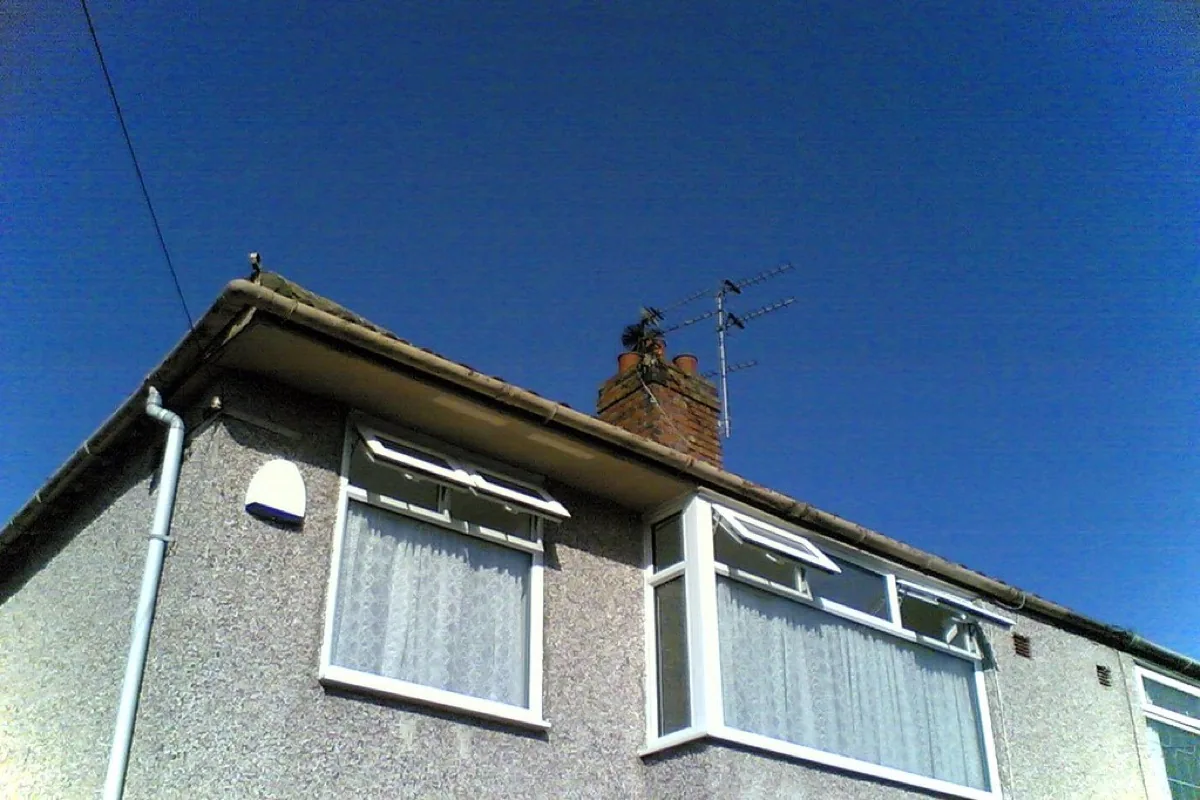
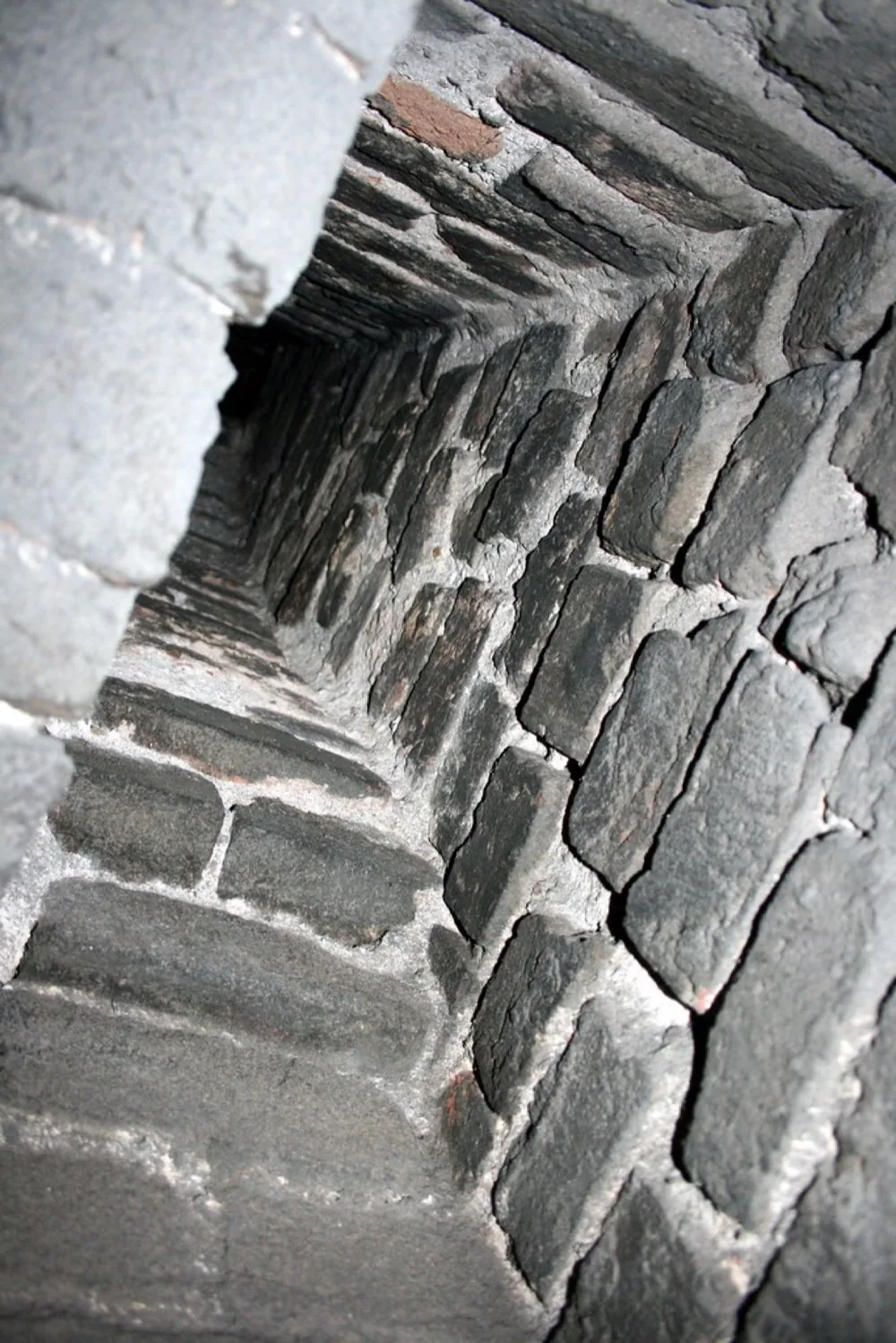
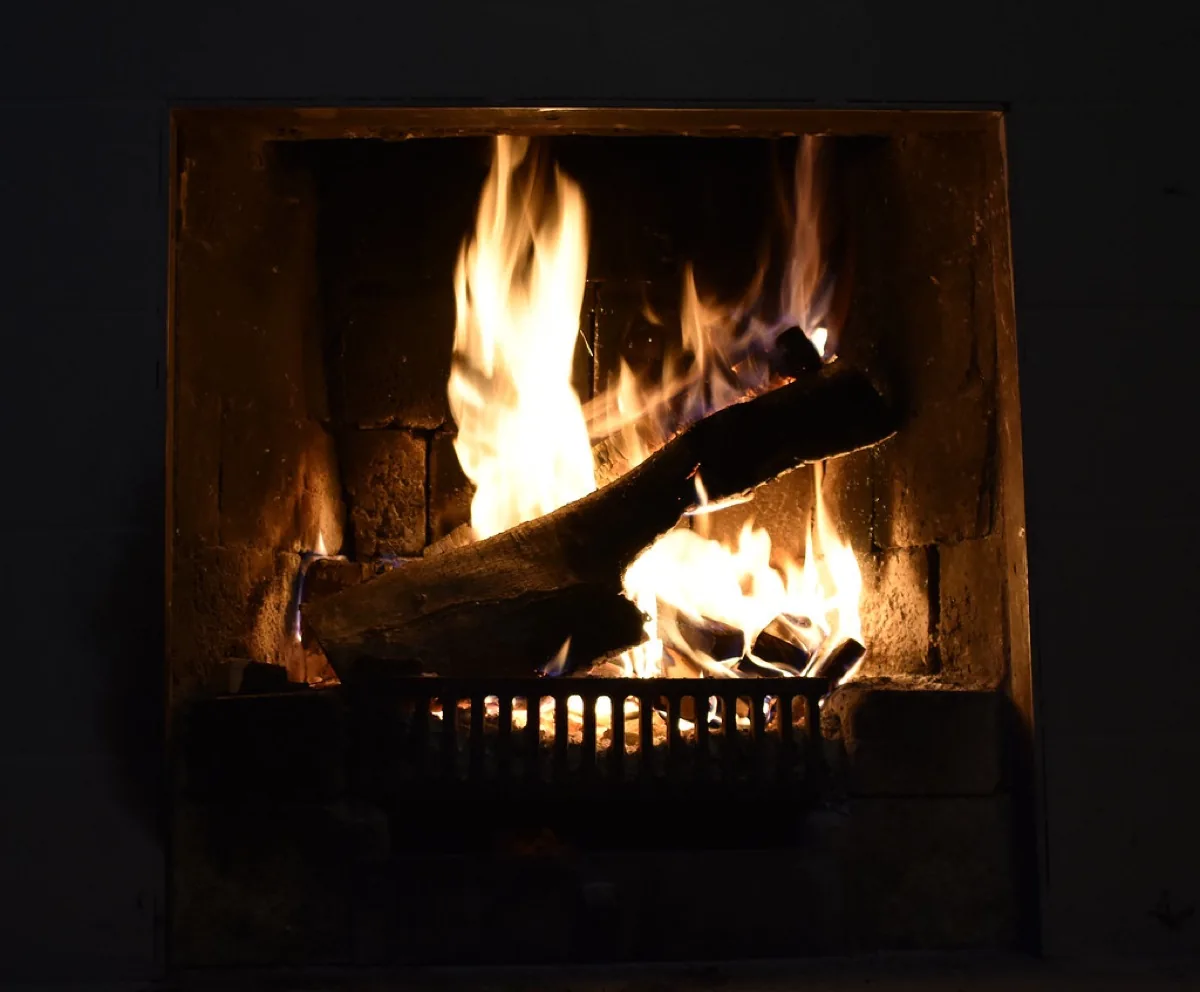
Cleaning is based on the deposits, obstructions, fireplace type, access, and inspection findings rather than a generic calendar promise.
The visit distinguishes soot, loose creosote, harder deposits, debris, and a condition that needs inspection or repair instead of ordinary sweeping.
Cleaning addresses removable deposits and obstructions in the flue, smoke path, and accessible fireplace components included in the scope.
Drop cloths and careful collection methods are used to keep loosened soot and debris in the work area rather than on the surrounding floor.
Obvious accessible damage or another issue noticed during the sweep is flagged so cleaning is not presented as a repair.
Related decision guides: how often Florida chimneys need service · signs a chimney needs cleaning · creosote and chimney-fire risk
A chimney sweep clears out the creosote, soot, ash, and debris that build up inside the flue every time you burn a fire. That buildup is the leading cause of chimney fires, and it also blocks airflow so smoke backs up into the room instead of drawing up and out. Even in Florida, where fireplaces get lighter use, a flue still collects buildup, animal nests, and debris that need to come out.
We do it the clean way: drop cloths down, the right brushes and tools for your flue, and a careful job that leaves your home as tidy as we found it. You'll know your fireplace is ready to use safely, and we'll tell you honestly if we spot anything that needs attention while we're up there.
Florida's humidity is the hidden enemy of a clean flue. Even if you only light the fireplace a handful of times between November and February, the chimney spends the rest of the year sitting in air that routinely holds 70–90% relative humidity. That damp air condenses on the cooler flue walls, mixing with whatever soot and ash are already there to form a sticky, acidic paste. Left alone, that paste hardens into heavier creosote deposits, the same material responsible for chimney fires, even in a fireplace that barely gets used. Regular sweeping removes it before it has a chance to build up to a dangerous thickness.
Salt air along the coast and the repeat soaking that comes with Florida's summer storm season compound the problem in a different way. Salt accelerates the breakdown of mortar and flue liner surfaces, and debris: palm fronds, Spanish moss, sand, insect nests, blows or washes into the top of the chimney far more readily here than in drier climates. That debris doesn't just block airflow and cause smoking problems; it traps moisture against the flue walls and keeps them wet long after a storm passes, feeding the cycle of soot absorption and corrosion. A thorough cleaning clears all of it and lets the flue dry out properly.
Because Floridians use their fireplaces lightly, it's easy to assume the chimney stays clean on its own. It doesn't. Low-fire, slow-burning sessions actually produce more creosote per cord of wood than hot, vigorous fires do, because the smoke cools quickly and deposits more residue before it exits the flue. Seasonal, light use is still enough to accumulate meaningful buildup over one or two years. Scheduling a sweep before each heating season, or at minimum every other year, keeps the flue clear, the draw strong, and any storm-season debris cleaned out before the first fire of the year.
A proper chimney sweep is more than running a brush through the flue. Every cleaning we do follows a deliberate sequence designed to remove all combustion byproducts without pushing soot and debris into the living space, and to leave you with a clear picture of what's going on inside the chimney.
Here's what that looks like in practice, from setup to cleanup:
Sweeping removes deposits and obstructions. Inspection evaluates condition and venting, while damaged components require a separate repair scope.
| Condition | Useful next step | Reason |
|---|---|---|
| Soot or loose creosote in an otherwise accessible smoke path | Chimney sweeping and cleaning | The removable deposit is the main condition being addressed |
| Unknown service history or a fireplace that is rarely used | Inspection first, with cleaning if deposits or debris are present | Low use does not rule out moisture, animals, deterioration, or a blockage |
| Leaves, a nest, or loose debris in the flue | Locate the obstruction and define safe removal | The cause, access, cap condition, and possible damage should be separated from routine soot cleaning |
| Hard, shiny, or glazed deposits | Evaluate the deposit and an appropriate removal method | Glazed creosote is not treated as ordinary loose soot |
| Cracks, loose material, water damage, or smoke entering the room | Inspection and component-specific repair evaluation | A brush cannot correct masonry, liner, leak, or draft defects |
Tell us what's going on and we'll set a time that works for you.
We come out, find the real cause, and give you honest, upfront pricing, no obligation.
We complete the work cleanly and confirm everything is safe and ready to use.
Explore focused local guidance for this service in the areas below, or view every location we serve.
Already know which part needs attention? Explore the options below. If you are unsure, describe what you see when requesting an assessment so the cause can be checked before a repair is chosen.
Identify the likely animal and activity status, then plan lawful removal or coordinate with an appropriate wildlife specialist before closing the entry point.
Locate and remove non-animal debris or a lodged obstruction while separating deposit cleaning and component repair.
Tell us what's going on: a leak, a crack, a failed inspection, or a cleaning. We'll give you honest, upfront pricing.
Takes less than 30 seconds.
A chimney sweep removes deposits and obstructions; an inspection evaluates condition and venting. Those jobs often happen together, but they are not interchangeable. Fireplace use, deposit type, draft symptoms, debris, animals, and an unknown service history are more useful than a generic calendar promise when deciding whether the chimney needs cleaning, inspection, or both.
An inspection determines whether the chimney has deposits, obstructions, damage, or moisture problems. A sweep removes soot, creosote, nests, and loose debris when cleaning is needed. They are related but not interchangeable. Cleaning does not diagnose every defect, and an inspection does not remove buildup from the flue.
Cleaning is based on deposit and obstruction conditions, not only the calendar. Visible soot or creosote, reduced draft, smoke entering the room, debris, nests, or an unknown service history are reasons to have the system checked. The fireplace and chimney type also affect when buildup becomes significant.
Infrequent use may mean slower creosote accumulation, but it does not prevent moisture, corrosion, nests, debris, or storm damage. An inspection can determine whether cleaning is actually needed and whether the chimney is clear and sound before use. Rare use alone is not enough to confirm either condition.
Cost depends on fireplace and chimney type, chimney height and access, deposit condition, obstructions, and whether additional inspection is needed. Routine loose soot is a different scope from glazed creosote or animal debris. The system should be identified and its condition reviewed before giving a reliable price.
Popular areas we serve: Miami · Tampa · Orlando · Jacksonville · Fort Lauderdale · St. Petersburg · Hialeah · Port St. Lucie · Cape Coral · West Palm Beach · Boca Raton · Hollywood · Naples · Sarasota · Clearwater · All service areas
Related chimney & fireplace services: Chimney Brick Replacement & Repair · Chase Cover Replacement · Chimney Caps · Chimney Chase Repair · Chimney Crown Repair · Chimney Damper Repair · Chimney Flashing Repair · Chimney Inspection · Chimney Leak & Flashing Repair · Chimney Liner Replacement · Chimney Rebuild · Chimney Relining for Florida Homes · Chimney Repair · Tuckpointing & Masonry Repair · Chimney Waterproofing · Firebox Repair for Florida Fireplaces · Fireplace Installation · Fireplace Repair & Service · Fireplace Restoration · Gas Fireplace Service · Prefab Chimney Repair · Smoke Chamber Repair
Family-owned Florida team · Same-day service available. No obligation, takes about 30 seconds.
10% OFF