
Direct answer
A chimney rebuild replaces a deteriorated section or the full masonry stack when isolated repairs can no longer produce a stable, weather-tight result. A partial rebuild may be enough above the roofline; a full rebuild is a larger structural scope. Movement, widespread brick failure, failed mortar, and concealed damage determine how far work must extend.
Chimney Rebuild Experts for Widespread Masonry or Structural Failure
Reconstruction becomes appropriate when damage is too broad for isolated mortar or brick work, allowing the affected chimney section to be rebuilt as a coherent assembly.
Chimney Rebuild: What the Work Looks Like
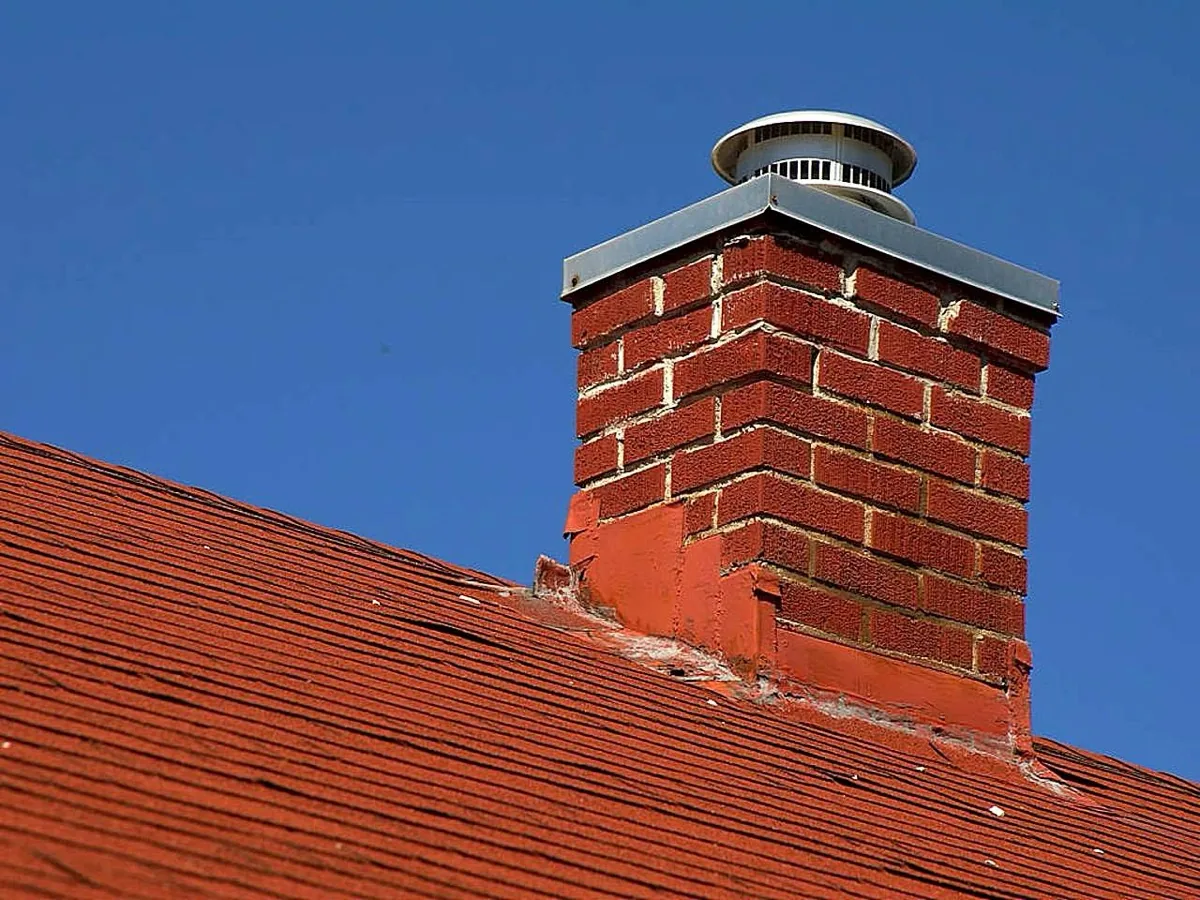
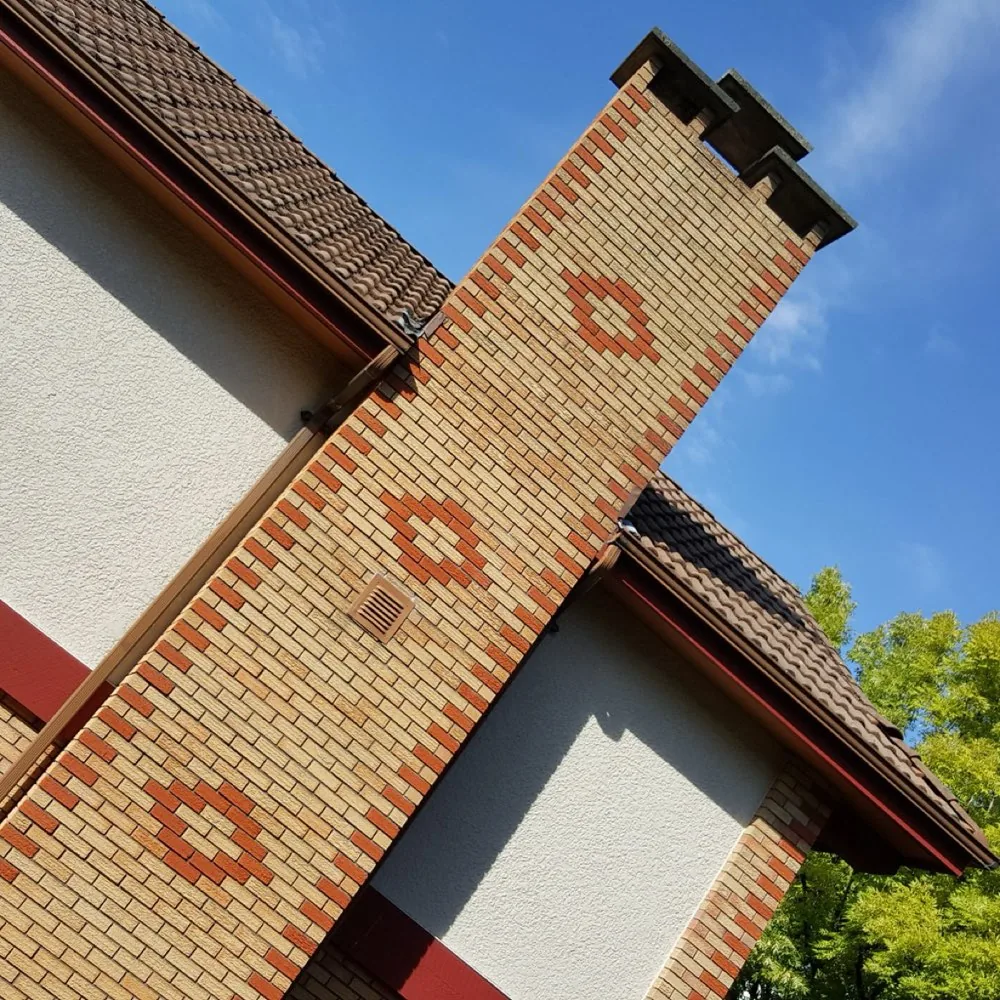
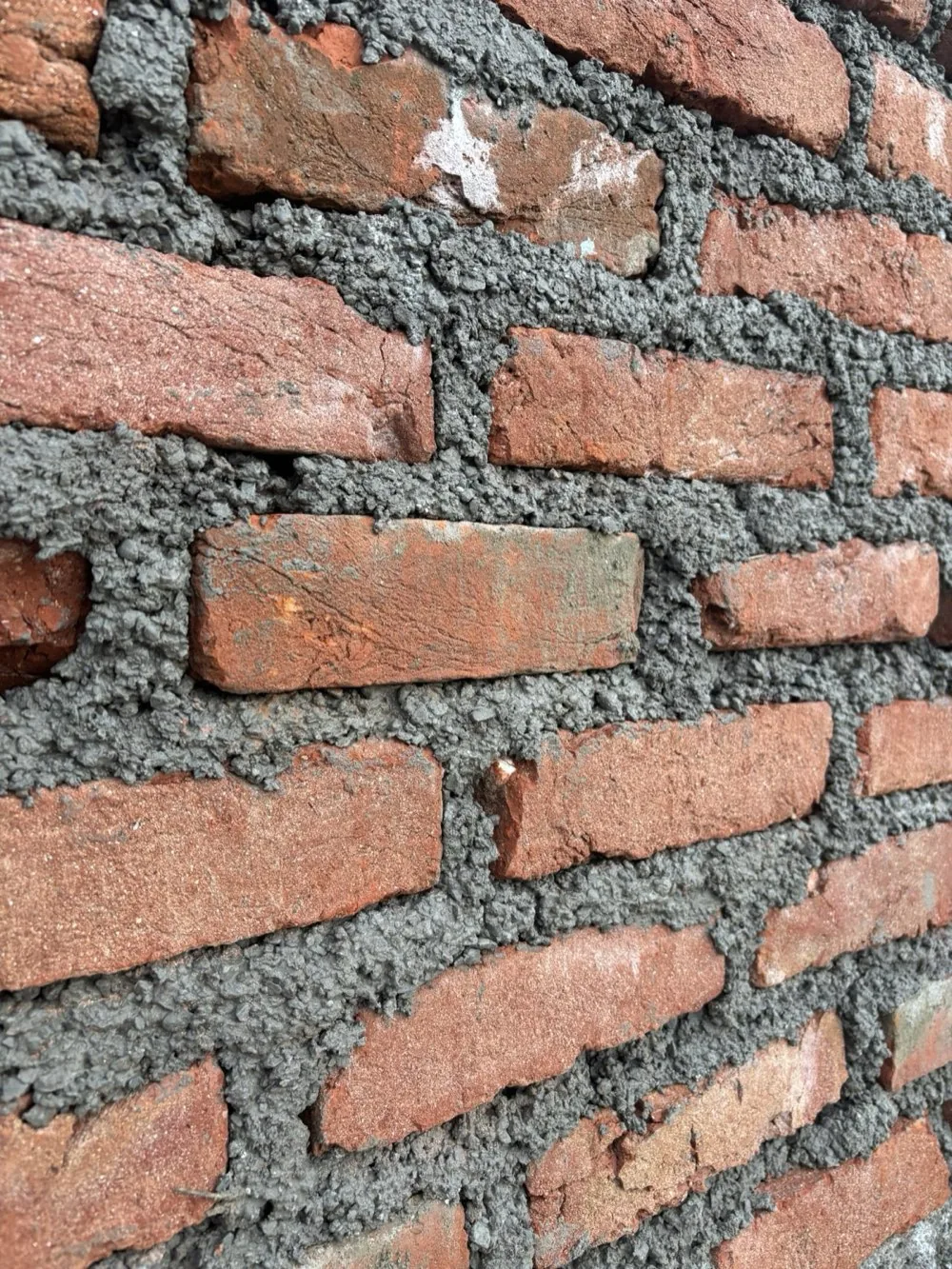
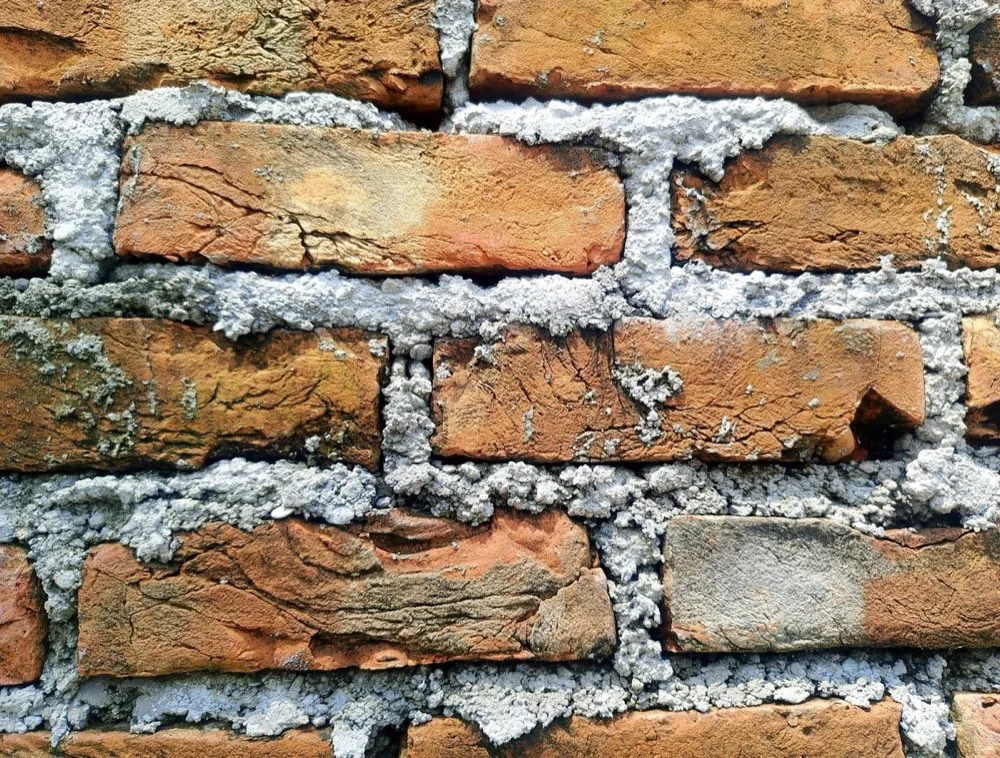
The kind of work we handle across Florida, swipe to see more.
What Our Chimney Rebuild Service Includes
Partial or Full Rebuild
We rebuild only what's failed, often the section above the roofline, to keep cost sensible.
New Crown & Cap
A rebuild is finished with a properly-sloped crown and a fitted cap to keep water out.
Structural Soundness
The rebuilt masonry is laid to be straight, stable, and safe to use.
Honest Scope
If a repair would do the job, we'll say so, a rebuild is only for when it's truly needed.
Specialized Chimney Rebuild Services
Focused specialties we handle under Chimney Rebuild.
Signs You Need Chimney Rebuild
- Large areas of crumbling, flaking, or missing brick
- The chimney is visibly leaning, bowing, or separating from the home
- Big sections of mortar are gone and bricks feel loose
- Repeated repairs that no longer hold because the masonry is too far gone
A chimney rebuild is the right call when the masonry has deteriorated beyond what a repair can safely fix: widespread spalling brick, large sections of failed mortar, leaning or bowing, or structural cracks that go beyond the surface. Years of Florida moisture working into the brick can get a chimney to this point, especially if earlier leaks went unaddressed.
We rebuild what needs rebuilding, sometimes just the section above the roofline, sometimes more, matching the existing brick as closely as we can and correcting whatever caused the failure in the first place. We're honest about scope: if a repair will do, we'll tell you. We only recommend a rebuild when it's genuinely the safe, lasting option.
Why Chimney Rebuild Matters for Florida Homes
Florida's climate is relentless on masonry. The combination of high humidity, salt-laden coastal air, and near-daily summer rain cycles creates a slow but steady assault on brick, mortar, and concrete. Water seeps into hairline cracks, the Florida heat bakes it in, and the next rain pushes it deeper. Over several seasons, mortar joints that looked fine on the outside begin to crumble from within. What starts as surface erosion can progress to spalling brick and structural shift, the kind of damage that goes past patching and calls for a real rebuild.
Hurricanes and tropical storms add another layer of stress that most other states simply don't see. High-wind events force water horizontally into the chimney stack, saturating masonry that was never designed to handle lateral water pressure. Storm debris can strike the crown or upper courses and crack them through. After a bad storm season, it's common to find chimneys that look intact from the yard but have shifted crowns, loose brickwork at the top, or compromised mortar throughout the upper stack, all conditions that require rebuilding rather than patching.
Because Florida chimneys see lighter use than those up north, homeowners sometimes assume less use means less wear. The opposite is often true: a fireplace that sits idle through long humid summers, then fires up a handful of times in winter, never fully dries between uses. Moisture sits in the masonry for months at a stretch. Salt air, especially within a few miles of the coast, accelerates the breakdown of both standard mortar and brick faces year-round. By the time visible cracking or leaning appears, the deterioration is usually well advanced. A thorough rebuild addresses the full extent of the damage and puts the chimney back on solid footing for years of reliable seasonal use.
Common Chimney Rebuild Problems We See in Florida
When we assess chimneys across Florida, from the Panhandle to the Keys, the same patterns of deterioration show up again and again. The specifics vary by age, location, and how the chimney was originally built, but the underlying causes are almost always moisture, salt air, storm exposure, or a combination of all three.
Here are the most common conditions that bring Florida homeowners to the point of needing a partial or full rebuild rather than a routine repair.
- Extensive mortar joint deterioration: When mortar has receded a quarter-inch or more across multiple courses, not just isolated spots, repointing can't keep up. A rebuild replaces the compromised section with fresh, properly mixed mortar that bonds correctly to new or salvaged brick.
- Spalling brick throughout the stack: Florida's heat-wet-heat cycle drives moisture into brick faces until they flake and pop off. Once spalling is widespread, the structural integrity of those courses is gone and the brick needs to come out entirely rather than be patched over.
- Leaning or bowed upper stack: Repeated thermal movement and water infiltration behind brick faces can push upper courses out of plumb. A visibly leaning chimney above the roofline is a rebuild situation, the affected courses have to come down and go back up straight and tied properly.
- Failed or missing chimney crown: A cracked or collapsed concrete crown lets every Florida rainstorm pour straight down between the flue liner and the outer brick. Left long enough, this saturates course after course from the top down. Rebuilding the crown is typically part of any upper-stack rebuild.
- Storm damage to upper courses: Hurricane-force wind and debris strikes often knock out bricks at the top two to four courses. Because the damage is usually uneven and the remaining mortar is stressed, rebuilding those courses from a stable point is safer and more durable than trying to reattach individual bricks.
- Salt-air mortar failure on coastal properties: Standard mortar mixes break down faster in salt-air environments. On homes within a few miles of the Gulf or Atlantic, we regularly see mortar that has essentially powdered out while the brick faces still look decent. Rebuilding with a salt-resistant mix corrects the root problem rather than just the symptom.
How It Works
Call or Request a Quote
Tell us what's going on and we'll set a time that works for you.
Free On-Site Assessment
We come out, find the real cause, and give you honest, upfront pricing, no obligation.
Done Right, Fast
We complete the work cleanly and confirm everything is safe and ready to use.