Cover dimensions and openings
The chase footprint and position of the flue openings affect the fit. Ask how those details will be established; a distant photograph is not a substitute for the measurements needed for a replacement.
Need a rusted or leaking chimney chase cover replaced? We check the metal top, its fit, and the condition beneath it before recommending replacement. The estimate separates cover work from any siding or framing repairs, so you know what is included.
No trip charge and no hidden fees. You get a clear price before any work starts.
Urgent leak or a failed inspection? We can often get to you the same day.
A local team that treats your home like our own and stands behind the work.
Direct answer
A chase cover is the sheet-metal pan over a framed chimney chase, not the smaller cap over the flue. Replacement is appropriate when the pan is rusted through, ponds water, has failed seams, or no longer seals around the pipe. A properly fitted cover needs drainage, overhang, compatible metal, and secure attachment.
A replacement cover is measured and fabricated for the chase opening, with slope, seams, collar details, and water shedding considered before installation.
The kind of work we handle across Florida, swipe to see more.
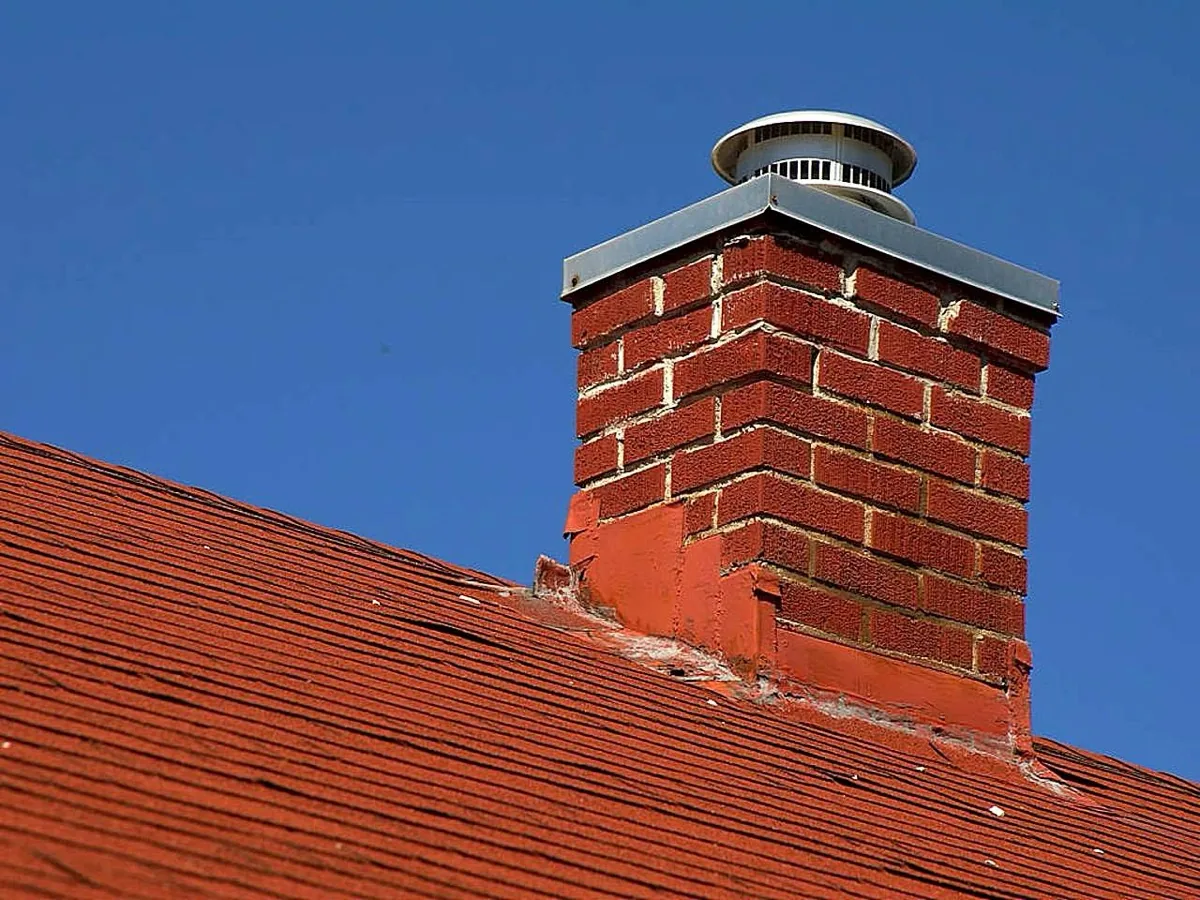
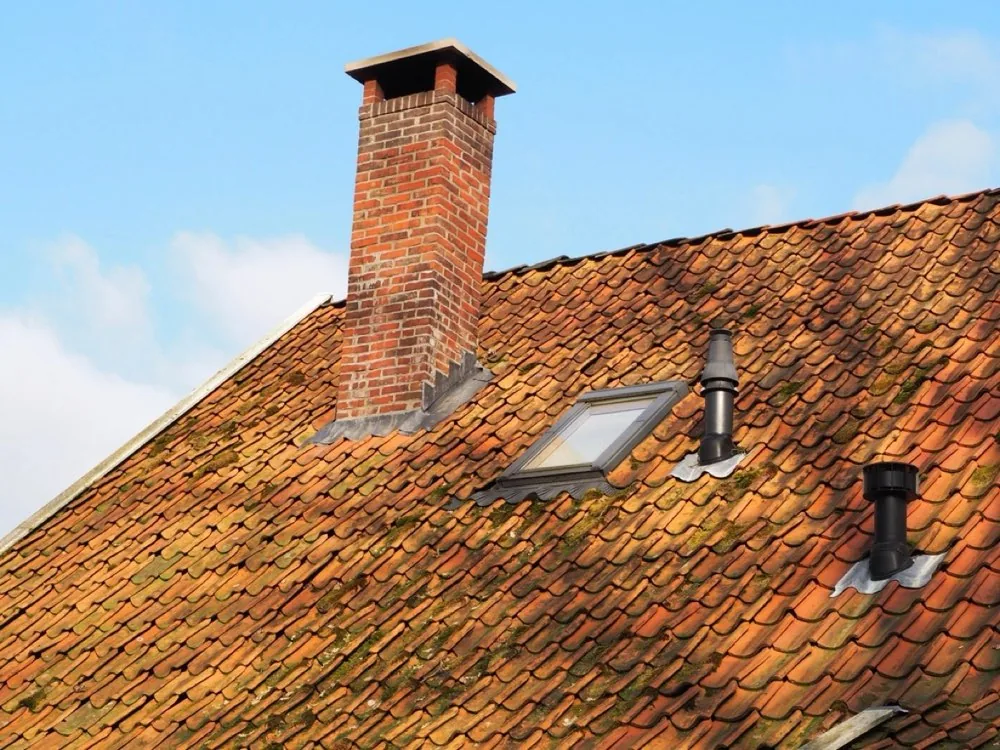
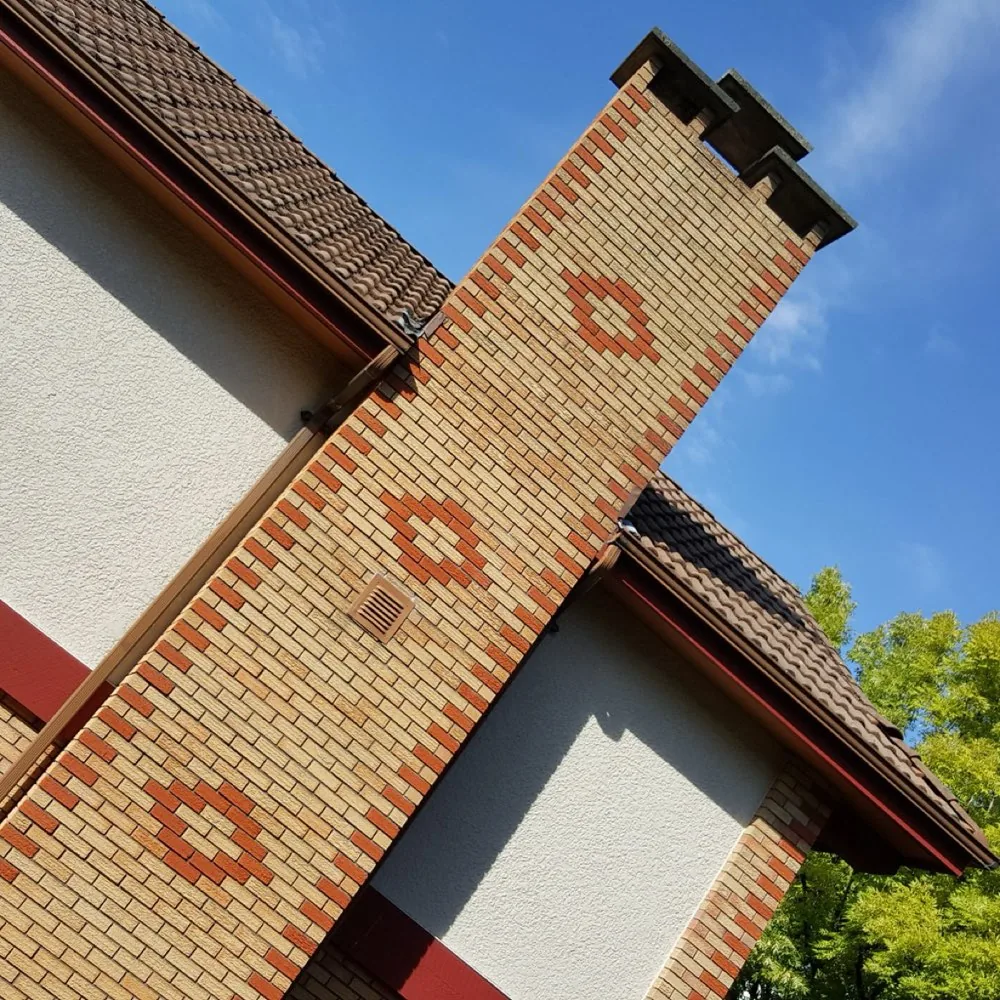
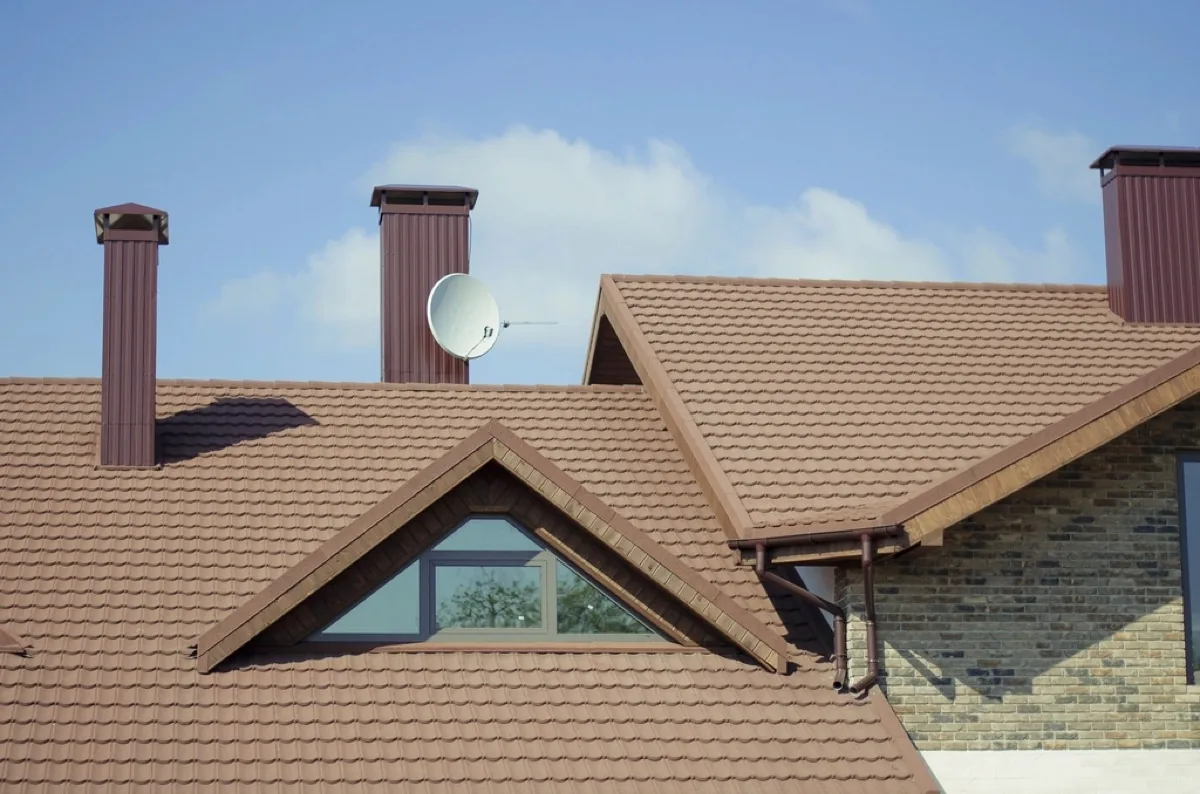
A chase-cover estimate should identify the replacement metal top and explain whether the enclosure beneath it needs separate repair. A new cover is not the same project as rebuilding the chase.
The chase footprint and position of the flue openings affect the fit. Ask how those details will be established; a distant photograph is not a substitute for the measurements needed for a replacement.
Ask which metal and specification are included and why they are suitable for the installation and exposure. A material name alone does not explain the finished cover's fit, detailing or complete installed cost.
The metal top over the enclosure and the termination above the flue are separate components. Ask what will be retained or replaced and how compatibility with the existing fireplace and chimney system will be checked.
Water may have affected the supporting enclosure as well as the cover. Ask whether the estimate assumes the surrounding structure is sound and how additional repair would be discussed if damage is found.
Describe rust streaks, water entry or a missing top component. Have the fireplace brand, model or existing manual available if you already have it. Safe ground-level photos can help describe the enclosure; do not climb onto the roof or try to measure the cover yourself.
A new pan solves the weather barrier only when the enclosure below it is still sound. The old cover should come off before the final scope is confirmed.
| Finding | Likely scope | Why |
|---|---|---|
| Surface rust or perforation, dry sheathing, straight chase walls | Measure and replace the chase cover | The failure is limited to the sheet-metal weather barrier |
| Water ponds but the metal has not perforated | Replacement is usually more durable than another surface patch | A flat or dished pan will continue holding water after coating or caulk ages |
| Soft wood, swollen siding, mold, or damaged insulation below | Repair the chase before installing the final cover | New metal cannot restore wet or deteriorated framing |
| Corrosion or damage at the chimney pipe | Evaluate listed chimney components separately | A fabricated cover cannot repair a compromised factory-built flue |
| The structure is brick with a sloped concrete top | Chimney crown repair | A masonry crown and a sheet-metal chase cover are different components |
Tell us what's going on and we'll set a time that works for you.
We come out, find the real cause, and give you honest, upfront pricing, no obligation.
We complete the work cleanly and confirm everything is safe and ready to use.
Tell us what's going on: a leak, a crack, a failed inspection, or a cleaning. We'll give you honest, upfront pricing.
Takes less than 30 seconds.
Chase cover replacement is a focused metal-fabrication scope, not a full chase rebuild. The condition of the pan, seams, collars, edge, and drainage determines whether repair is realistic. The chase dimensions, flue position, clearances, overhang, slope, and metal choice then determine the replacement, while any damage below the cover belongs to a separate chase-repair scope.
Light surface discoloration does not always mean the cover has failed. Perforation, separated seams, deep corrosion, or standing water indicates a larger problem that a surface patch may only hide. Replacement becomes more appropriate when the metal can no longer shed water or hold a durable sealed connection.
Look for holes, separated seams, rust streaks, standing water, loose edges, damaged collars, or stains below the chase. Water can also enter through flashing or cladding, so the cover should not be blamed from an indoor stain alone. Inspecting the full chase top helps identify the actual entry point.
No. The chase cover spans the full top of the framed enclosure, while the chimney cap protects the smaller flue outlet above it. Many factory-built systems use both. A new cap will not seal a rusted chase cover, and a new cover will not replace a missing or damaged termination cap.
The cover is based on the chase dimensions, flue location, required clearances, edge overhang, drainage shape, and compatible metal. The chimney system and termination must also be identified before fabrication. Measuring only the old cover can repeat an existing fit or drainage problem if that cover was made incorrectly.
Related chimney & fireplace services: Chimney Brick Replacement & Repair · Chimney Caps · Chimney Chase Repair · Chimney Crown Repair · Chimney Damper Repair · Chimney Flashing Repair · Chimney Inspection · Chimney Leak & Flashing Repair · Chimney Liner Replacement · Chimney Rebuild · Chimney Relining for Florida Homes · Chimney Repair · Chimney Sweep & Cleaning · Tuckpointing & Masonry Repair · Chimney Waterproofing · Firebox Repair for Florida Fireplaces · Fireplace Installation · Fireplace Repair & Service · Fireplace Restoration · Gas Fireplace Service · Prefab Chimney Repair · Smoke Chamber Repair
Family-owned Florida team · Same-day service available. No obligation, takes about 30 seconds.
10% OFF