Metal cover only
If the cover has failed but the enclosure remains sound, cover replacement is a separate, more limited scope. Ask what supports that assessment and whether any surrounding damage has been identified.
Rust stains, damaged siding, or water around your fireplace may point to a leaking chimney chase. We assess the framed enclosure and metal cover, explain what needs repair, and provide a free estimate. If only the cover has failed, the work may be limited to replacing that component.
No trip charge and no hidden fees. You get a clear price before any work starts.
Urgent leak or a failed inspection? We can often get to you the same day.
A local team that treats your home like our own and stands behind the work.
Direct answer
Chimney chase repair addresses the framed enclosure around a factory-built chimney: siding, sheathing, framing, seams, and the metal top. A rusted chase cover alone may only need replacement, but swollen siding, soft wood, recurring stains, or an out-of-square enclosure means the water source and hidden chase damage both need to be evaluated.
Chase cap repair can mean different parts. The large metal chase cover spans the enclosure; the smaller chimney cap covers the flue outlet. Repair starts by identifying which component has failed.
The kind of work we handle across Florida, swipe to see more.
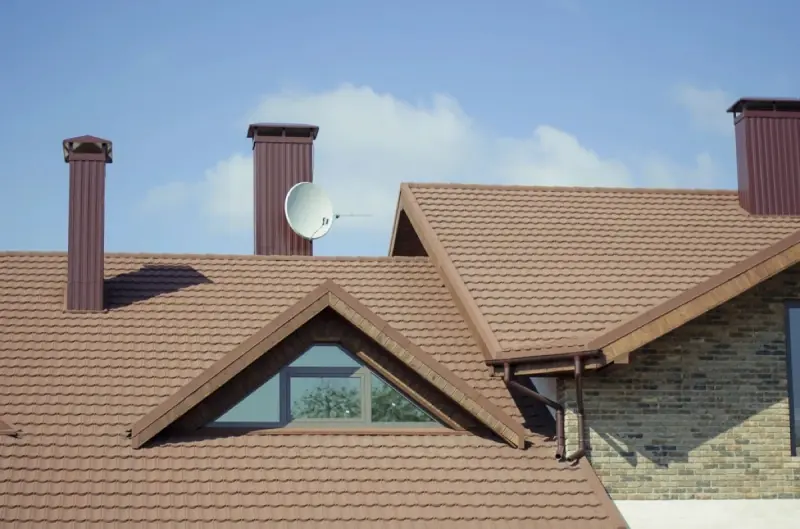
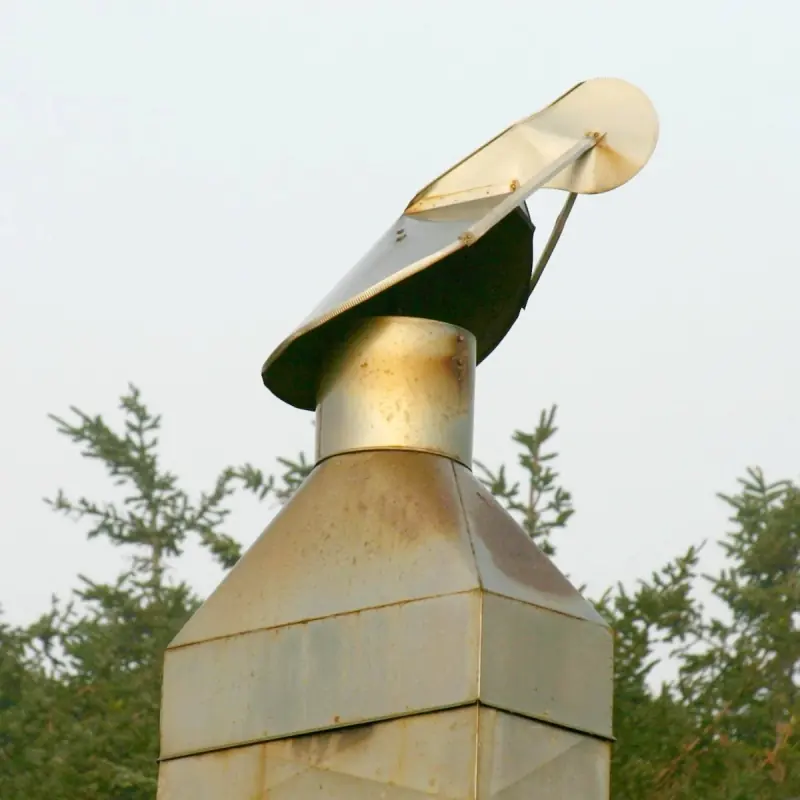
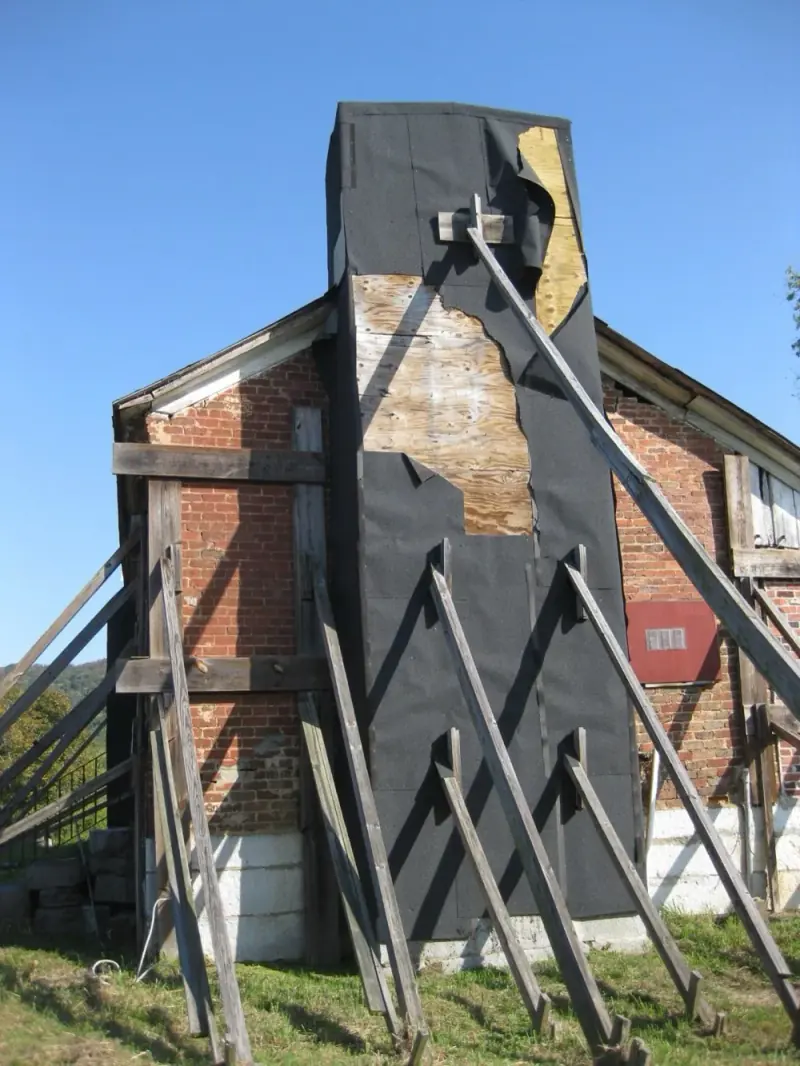
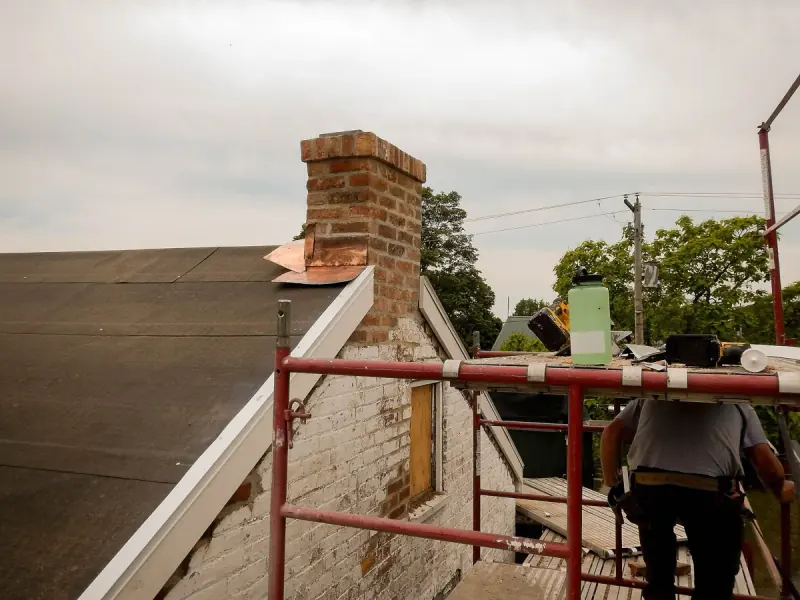
Rusted or pooling chase covers replaced with a properly-sloped, fitted cover.
Leaking seams and penetrations on the chase sealed to stop water entry.
Moisture-damaged framing and siding on the chase structure repaired.
Built to handle wind-driven rain so the prefab system stays dry.
Focused specialties we handle under Chimney Chase Repair.
Many Florida homes have prefabricated (factory-built) fireplaces rather than full masonry chimneys. These are enclosed in a framed structure called a chase, topped with a metal chase cover. The chase cover is the part that takes the weather, and it's also the part that rusts, pools water, and starts leaking, letting water into the chase and down toward the firebox.
We repair and replace chase covers, seal the seams and penetrations where water gets in, and address the framing and siding of the chase when it's been damaged by moisture. If you have a prefab fireplace and you're seeing leaks or rust streaks, the chase is usually where to look.
The chase is the enclosure around a factory-built fireplace's chimney or venting. A repair may involve the outer finish, framing, metal top, or several of these together. Compare the proposed work by component instead of treating every enclosure problem as a full rebuild.
If the cover has failed but the enclosure remains sound, cover replacement is a separate, more limited scope. Ask what supports that assessment and whether any surrounding damage has been identified.
Ask which exterior sections need removal and replacement, what condition is expected behind them, and whether painting or finish matching is included. A surface repair should not conceal unresolved water entry.
The extent of damaged material and access needed to investigate it affect the scope. Ask how further findings would be documented and discussed before additional work is approved.
Enclosure work and repair of the appliance or venting are not interchangeable. Ask whether the proposal includes either of those systems or whether they need a separate assessment and compatible replacement components.
Describe where you see staining, loose siding or damaged trim and whether the problem followed rain or other work. Keep existing ground-level photos and any fireplace paperwork available. Do not remove cladding, enter the chase or climb onto the roof to investigate. Leave evaluation of concealed damage to the assessment.
The metal cover and the framed chase are related, but they are not the same repair. The condition below the failed top determines whether the work can stay limited.
| Condition | Usually points to | What must be checked first |
|---|---|---|
| Rust-through or ponding on the metal top, with dry and solid chase walls | Chase cover replacement | Measurements, slope, overhang, pipe collar, storm collar, and compatible metal |
| A loose pipe seal while the pan remains sound | Penetration or storm-collar repair | The factory-built chimney listing and the approved clearances around the pipe |
| Swollen siding, soft sheathing, stains, or damp framing | Chase repair after the leak source is stopped | How far moisture traveled and whether insulation, framing, or listed chimney parts were affected |
| A leaning, racked, or fire-damaged enclosure | Structural chase assessment or rebuild | Framing attachment, clearances, load path, and the condition of the chimney system inside |
| A brick stack with a concrete top | Crown or masonry repair, not a chase cover | Whether the system is masonry or factory-built before any metal is ordered |
Tell us what's going on and we'll set a time that works for you.
We come out, find the real cause, and give you honest, upfront pricing, no obligation.
We complete the work cleanly and confirm everything is safe and ready to use.
Explore focused local guidance for this service in the areas below, or view every location we serve.

Tell us what's going on: a leak, a crack, a failed inspection, or a cleaning. We'll give you honest, upfront pricing.
Takes less than 30 seconds.
Chimney chase repair addresses the framed enclosure around a factory-built chimney: framing, sheathing, siding or stucco, and water damage inside the chase. A rusted metal pan may need only chase-cover replacement. Broader repair is justified when moisture has reached the walls or structure, so the cover and enclosure need to be evaluated as separate components.
A failed metal cover may be replaced by itself when the chase walls, framing, and surrounding roof remain sound. Broader repair may be needed when water has damaged sheathing, framing, cladding, flashing, or the chimney system inside. Inspection below the cover determines whether the problem is isolated or structural.
Rust streaks, stained or swollen siding, peeling finishes, musty odors, ceiling stains, and visible deterioration near the chase top can indicate water entry. These signs do not reveal how far moisture has traveled. The cover, storm collar, flashing, cladding, and accessible interior should be checked before defining the repair.
Yes. A chase is generally a framed enclosure surrounding a factory-built chimney system, while a masonry chimney is built from brick, block, or stone. Chase repairs may involve sheet metal, cladding, flashing, sheathing, or framing. Masonry repairs more often involve mortar, brick, crown, or flue-liner components.
Cost depends on whether damage is limited to the cover or extends into cladding, sheathing, framing, flashing, or the chimney system. Chase height, roof access, dimensions, and replacement materials also affect the scope. Opening or inspecting accessible areas may be necessary before hidden water damage can be priced accurately.
Popular areas we serve: Miami · Tampa · Orlando · Jacksonville · Fort Lauderdale · St. Petersburg · Hialeah · Port St. Lucie · Cape Coral · West Palm Beach · Boca Raton · Hollywood · Naples · Sarasota · Clearwater · All service areas
Related chimney & fireplace services: Chimney Brick Replacement & Repair · Chase Cover Replacement · Chimney Caps · Chimney Crown Repair · Chimney Damper Repair · Chimney Flashing Repair · Chimney Inspection · Chimney Leak & Flashing Repair · Chimney Liner Replacement · Chimney Rebuild · Chimney Relining for Florida Homes · Chimney Repair · Chimney Sweep & Cleaning · Tuckpointing & Masonry Repair · Chimney Waterproofing · Firebox Repair for Florida Fireplaces · Fireplace Installation · Fireplace Repair & Service · Fireplace Restoration · Gas Fireplace Service · Prefab Chimney Repair · Smoke Chamber Repair
Family-owned Florida team · Same-day service available. No obligation, takes about 30 seconds.
10% OFF