Step flashing
Individual pieces should integrate with the roof covering along the chimney sides so water sheds onto the course below.
When water shows up near your chimney after a Florida downpour, the flashing where the chimney meets the roof is usually the first place to look. Chimney Brothers Co repairs, reseals, and replaces failed flashing so the water stops at the roofline instead of running down inside your walls.
No trip charge and no hidden fees. You get a clear price before any work starts.
Urgent leak or a failed inspection? We can often get to you the same day.
A local team that treats your home like our own and stands behind the work.
Direct answer
Chimney flashing repair restores the watertight joint where masonry passes through the roof. The scope depends on which layer failed: step flashing along the sides, counter-flashing set into the chimney, the uphill cricket, or sealant at a termination. Recaulking exposed gaps is not a durable substitute for correctly lapped and integrated metal.
When the roof-to-chimney metal joint is damaged or poorly sealed, the repair focuses on that interface instead of treating every leak as a masonry problem.
Flashing protects the joint where the chimney passes through the roof. Before repairing it, the inspection should distinguish a failed metal joint from water entering through the crown, cap, masonry, or chase cover.
Individual pieces should integrate with the roof covering along the chimney sides so water sheds onto the course below.
The upper metal detail protects the step-flashing edge where the assembly terminates against the chimney.
The high side must route runoff around the chimney without open laps, trapped debris, or unsupported sealant patches.
Metal condition, layering, roof material, previous repairs, and access determine whether a localized correction can last.
The kind of work we handle across Florida, swipe to see more.
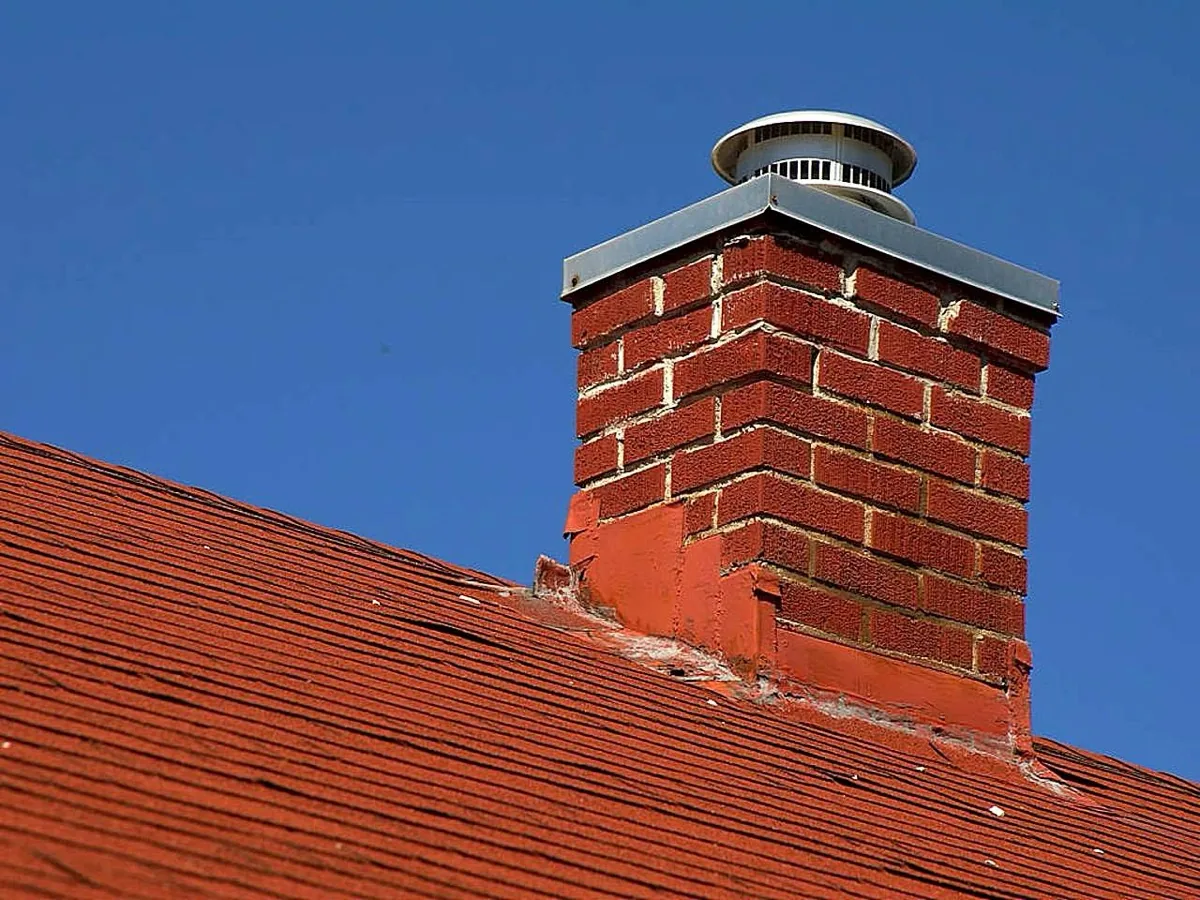
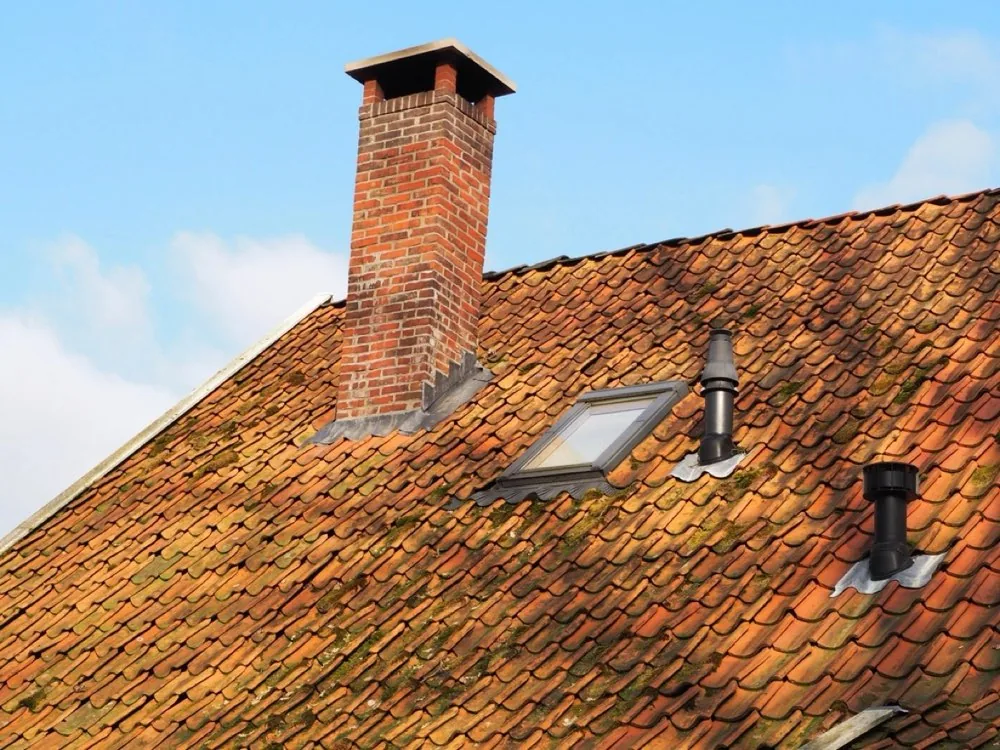
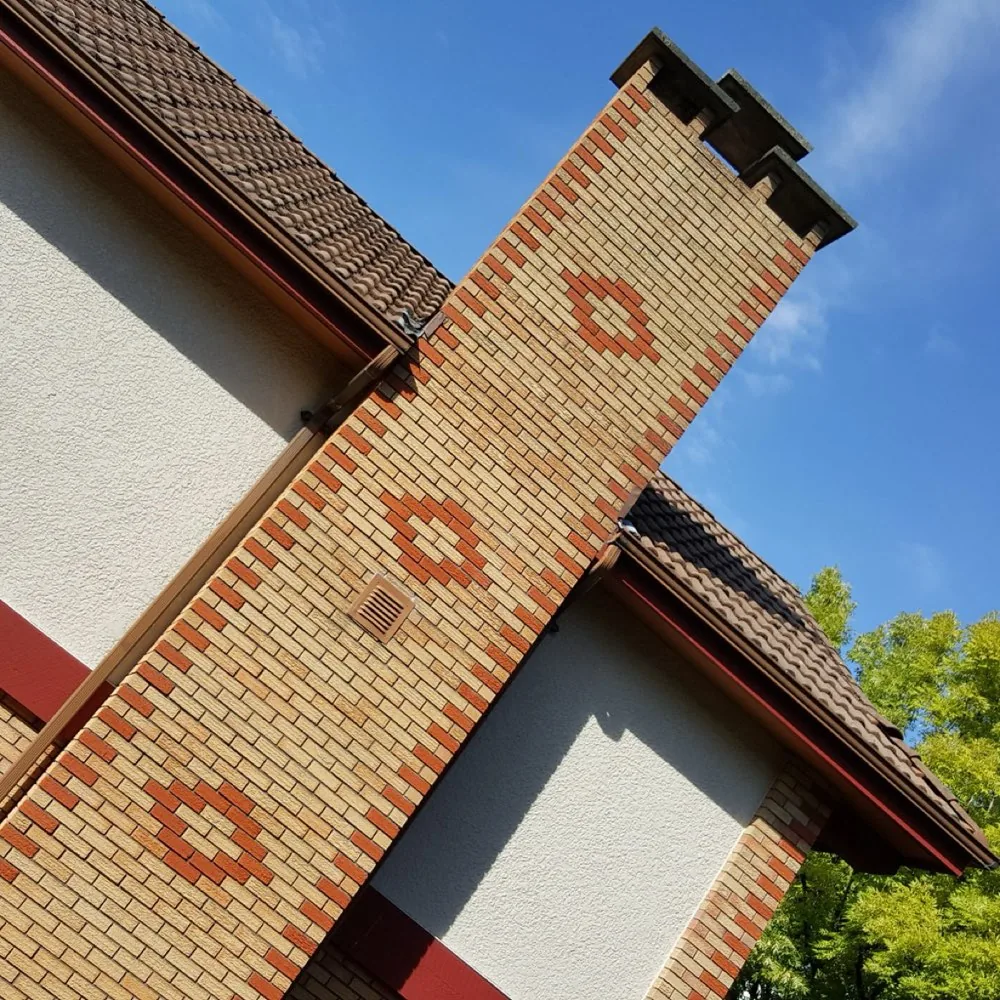
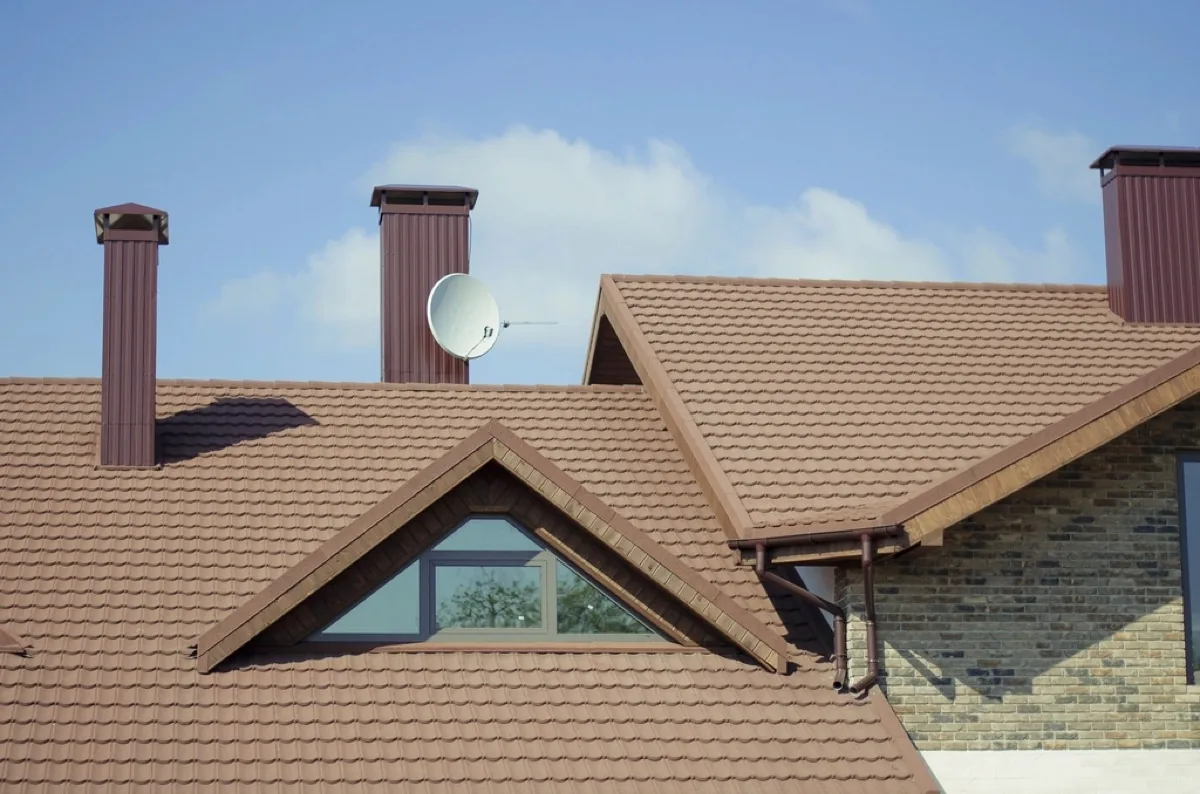
The choice depends on the existing metal, its connection to the roof and chimney, and whether the leak comes from that joint. An estimate should distinguish a limited repair from replacing the surrounding assembly.
Ask what remains sound and why repairing one area is appropriate. The scope should name the failed detail rather than describe the whole job only as sealing a leak.
Ask which pieces will be removed and replaced, and whether surrounding roof covering must be disturbed. Replacement of one layer does not automatically mean the full assembly is included.
A tile roof and a shingle roof can involve different access and reinstatement work. Compare what each estimate includes around the chimney, not just the quoted metalwork.
Ask which metal and associated materials are proposed, why they suit the roof and chimney, and what existing materials they will meet. Appearance alone is not a sufficient basis for choosing a flashing assembly.
Tell us your roof covering if known, where the stain appears, and whether the roof or flashing was recently repaired. Existing ground-level photos and prior estimates can help describe the concern. Do not access the roof or lift roofing materials to inspect the joint yourself.
Not sure the flashing is responsible? Start with leak assessment
Tell us what's going on and we'll set a time that works for you.
We come out, find the real cause, and give you honest, upfront pricing, no obligation.
We complete the work cleanly and confirm everything is safe and ready to use.
Tell us what's going on: a leak, a crack, a failed inspection, or a cleaning. We'll give you honest, upfront pricing.
Takes less than 30 seconds.
Flashing repair owns one specific problem: the metal-and-roofing joint where the chimney passes through the roof. A complete assessment separates failed step flashing, counter-flashing, uphill details, sealant, and adjacent roofing from leaks that actually begin at the crown, cap, or masonry. That boundary prevents a generic leak patch from replacing the wrong component.
Flashing is a likely source when water appears near the chimney base, on the adjacent ceiling, or along the wall after rain. Failed flashing is not the only possibility because crown, cap, and masonry leaks can travel. The roof-to-chimney joint and the upper chimney should therefore be checked together.
Sound metal with an isolated loose edge or failed termination may allow a limited repair. Corroded, poorly integrated, storm-damaged, or incorrectly layered flashing may require partial or full replacement. The decision should be based on the metal condition and how it connects with the roof covering and masonry.
Chimney leak repair is the broader diagnostic service because water may enter through flashing, a crown, cap, chase cover, masonry, or another roof detail. Flashing repair addresses the specific joint where the chimney passes through the roof. Confirming that joint is the source prevents repairing the wrong component.
The scope depends on roof material, chimney size, access, metal condition, and whether step flashing, counter-flashing, or the uphill detail has failed. A localized correction is different from removing roofing and rebuilding the full assembly. Inspection is needed before a useful price can be provided.
Related chimney & fireplace services: Chimney Brick Replacement & Repair · Chase Cover Replacement · Chimney Caps · Chimney Chase Repair · Chimney Crown Repair · Chimney Damper Repair · Chimney Inspection · Chimney Leak & Flashing Repair · Chimney Liner Replacement · Chimney Rebuild · Chimney Relining for Florida Homes · Chimney Repair · Chimney Sweep & Cleaning · Tuckpointing & Masonry Repair · Chimney Waterproofing · Firebox Repair for Florida Fireplaces · Fireplace Installation · Fireplace Repair & Service · Fireplace Restoration · Gas Fireplace Service · Prefab Chimney Repair · Smoke Chamber Repair
Family-owned Florida team · Same-day service available. No obligation, takes about 30 seconds.
10% OFF