Fireplace insert installation
The existing opening, chimney condition, fuel, liner, electrical or gas connection, and the insert listing must work together.
Fireplace installers for new units and inserts across Florida, with the required venting, clearances, and setup handled for safe operation.
No trip charge and no hidden fees. You get a clear price before any work starts.
Urgent leak or a failed inspection? We can often get to you the same day.
A local team that treats your home like our own and stands behind the work.
Direct answer
Fireplace installation starts with the appliance type, fuel, venting method, clearances, hearth protection, and the manufacturer's listing. Masonry fireplaces, factory-built units, inserts, direct-vent gas systems, and vent-free appliances are not interchangeable. The safe scope is determined before the opening is altered so the unit, chimney, and room work as one system.
The right installation path depends on the intended fireplace type, available space, venting, clearances, utilities, and service access before any specific system is selected.
Start with how you want to use the fireplace and whether you have an existing opening. The appliance, fuel or electrical supply, venting route, and required clearances determine which installation options fit your home.
The existing opening, chimney condition, fuel, liner, electrical or gas connection, and the insert listing must work together.
Fuel supply, approved venting, combustion air, clearances, controls, and permit requirements are established before finish work.
Electrical load, manufacturer clearances, mounting, ventilation, and access for future service matter even when no chimney is required.
The firebox, chimney system, hearth protection, framing clearances, termination, and manufacturer instructions are treated as one listed assembly.
The kind of work we handle across Florida, swipe to see more.
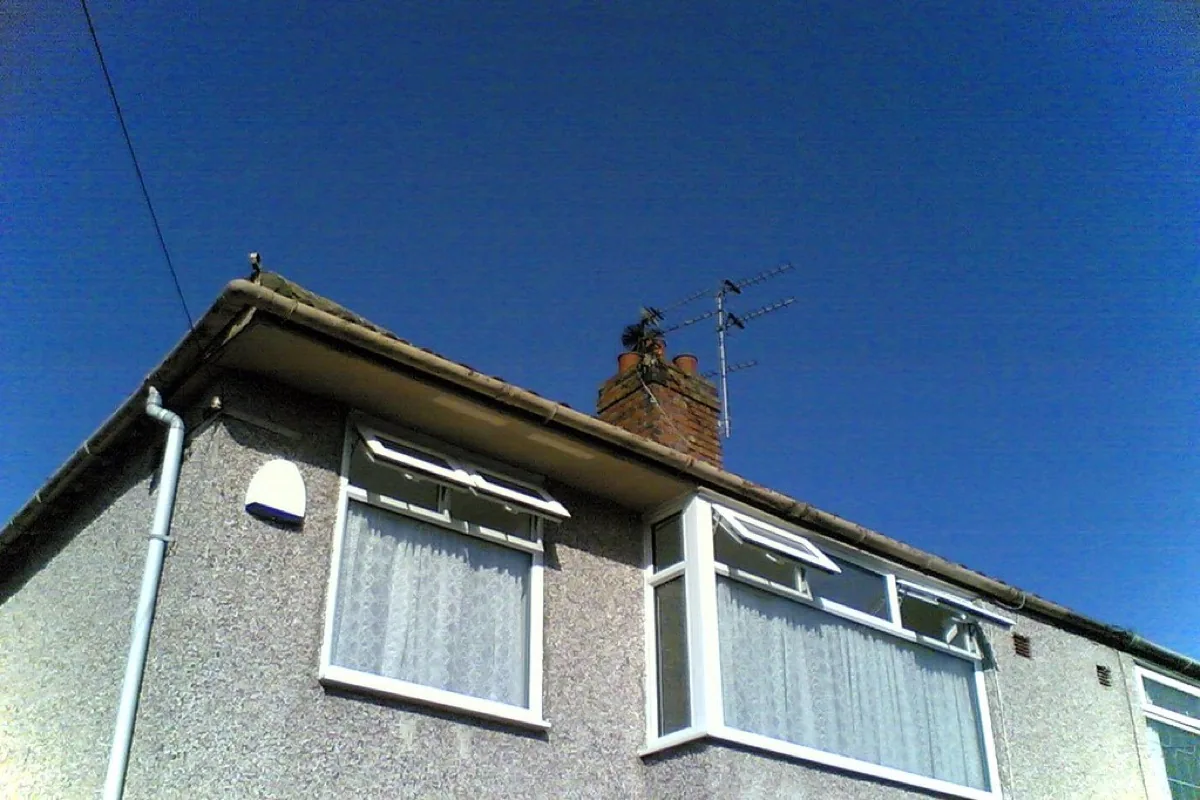
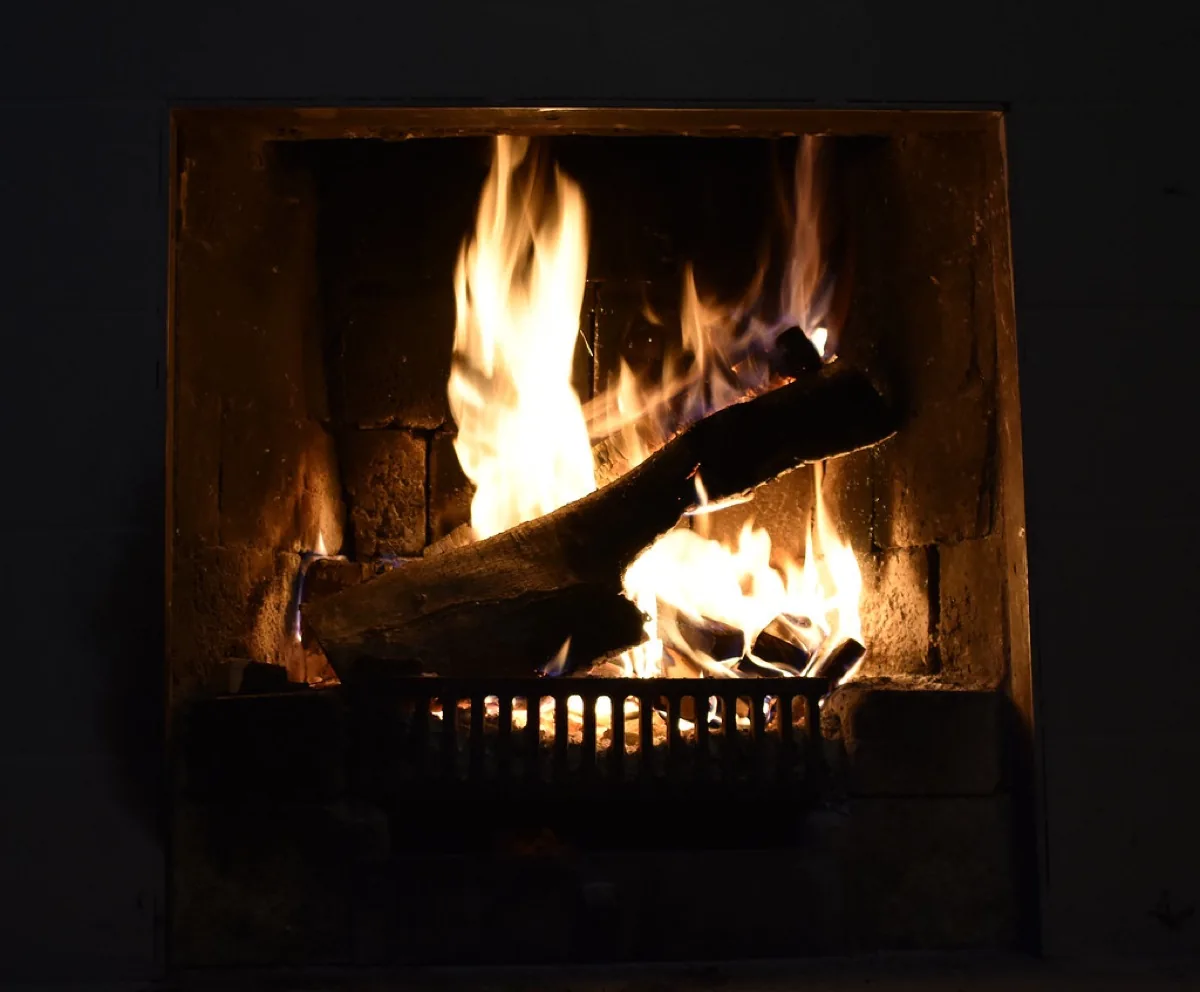
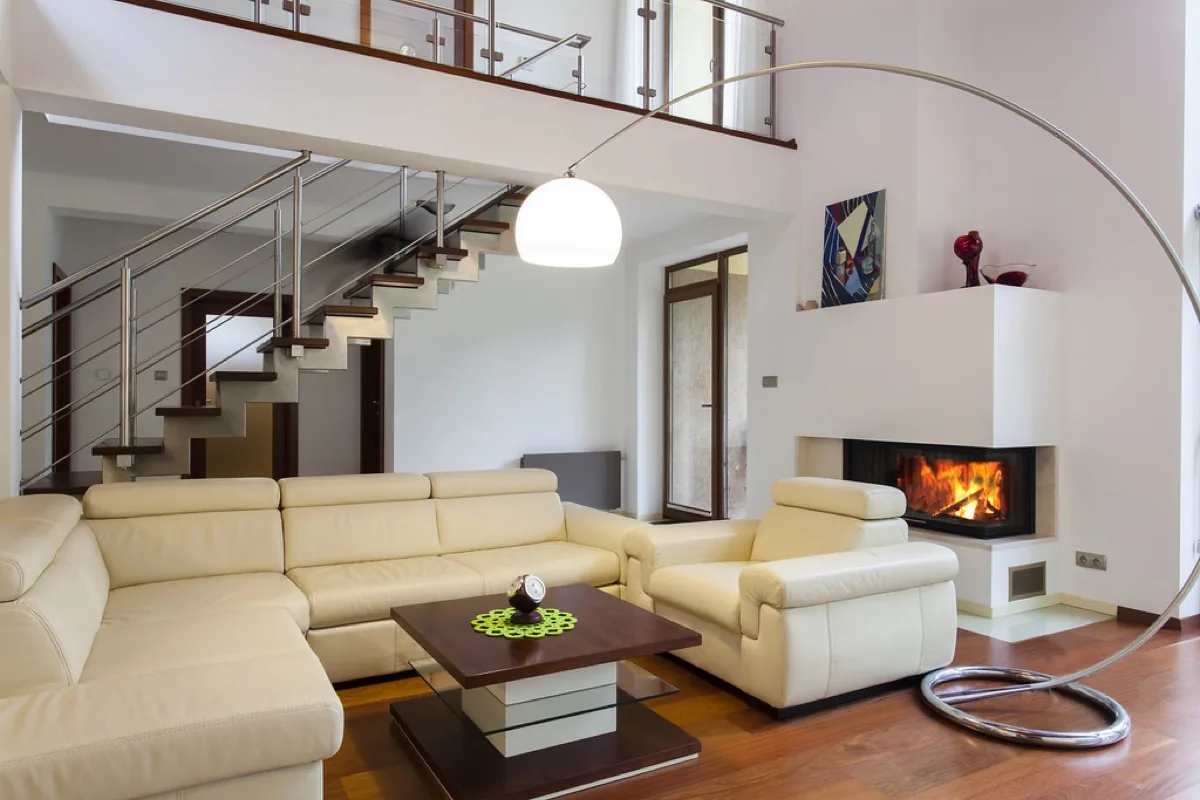

The project is planned as a connected appliance, venting, clearance, utility, structure, hearth, and finish system before the opening is altered.
Fuel, appliance model, opening dimensions, existing chimney condition, framing, vent route, clearances, and utilities shape the plan.
Masonry fireplaces, factory-built units, inserts, direct-vent gas systems, electric units, and wood-burning systems are scoped by their own requirements.
The scope separates appliance placement, construction, chimney or venting, gas or electrical coordination, hearth, surround, and finish responsibilities.
The installed system and included operating functions are checked after the defined installation work is complete.
Related decision guides: gas versus wood fireplaces in Florida · factory-built versus masonry systems · fireplace condition and warning signs
Whether you're adding a fireplace, replacing an old unit, or installing an insert to update an existing opening, the install is what determines whether it's safe and works well for years. Proper clearances, correct venting, and a clean finish all matter, a fireplace that's installed carelessly causes problems long after the work is done.
We install new fireplaces and inserts cleanly and correctly, set up to work the way the unit is meant to. We'll walk you through the options that fit your home and give you a clear, upfront price before anything begins.
Florida's climate is tough on any combustion system from day one. Coastal salt air works into metal components: dampers, firebox panels, gas valve housings, and begins corroding them before the first fire is ever lit. A fireplace installed without accounting for this reality ends up with accelerated rust, sticking dampers, and degraded seals within a few seasons. Getting the installation right from the start means choosing materials and finishes rated for coastal exposure and making sure every joint, flashing, and vent termination is properly sealed against the salt-laden air that drifts inland across most of the state.
Florida's rainy season and hurricane-force storms create a pressure and moisture load that most fireplace installation guides written for northern climates simply ignore. Wind-driven rain at the roofline, combined with the steep pressure differentials that come with tropical storms, can push water straight down an improperly terminated flue or through a flashing that was installed to standards meant for a dry Ohio winter. A fireplace installed here needs a chimney cap and flashing detail sized and secured for those conditions, not as an afterthought but as a core part of the original installation scope.
Because Florida winters are mild, a fireplace installed here will typically sit idle for eight or nine months of the year in high humidity. That long dormancy is where problems take root: moisture condenses inside a flue that never gets the drying effect of regular fires, mortar softens, and a gas fireplace's pilot or ignition components can degrade in damp conditions if they were not correctly specified for intermittent, low-frequency use. Getting the installation right: the right insert or firebox design, the right venting path, and the right moisture barriers at every penetration, is what separates a fireplace that performs reliably on that one cool December evening from one that fails the moment you actually need it.
Fireplace installation looks straightforward from the outside, but the decisions made during the rough-in determine everything that follows: how cleanly the unit drafts, how long the materials last in Florida's climate, and whether the installation will pass inspection without a callback. Every job we do starts with a site assessment: wall construction, ceiling height, available venting path, and gas line proximity if it is a gas unit, before a single component is ordered.
Here is what that work actually involves on a typical installation:
The appliance type, fuel, venting route, clearances, utilities, and existing structure decide whether the project is an insert, new fireplace, or a larger construction scope.
| Project direction | What must fit together | Key decision before work |
|---|---|---|
| Insert in an existing fireplace opening | Opening dimensions, chimney condition, fuel, liner, clearances, utilities, and insert listing | Confirm compatibility before purchasing or altering the opening |
| New gas fireplace | Selected unit, fuel supply, approved vent path, combustion air, framing, controls, and finish | Define gas, construction, venting, permit, and finish responsibilities |
| New electric fireplace | Electrical load, mounting, manufacturer clearances, airflow, enclosure dimensions, and service access | Confirm power and enclosure requirements before finish materials are installed |
| New wood-burning or factory-built fireplace | Firebox, listed chimney system, hearth protection, framing clearances, and termination | Treat the fireplace and chimney as one compatible assembly |
| Use an existing chimney with a new appliance | Flue dimensions, liner, connection, condition, clearances, and appliance requirements | An existing opening does not prove the chimney is compatible with the selected unit |
Tell us what's going on and we'll set a time that works for you.
We come out, find the real cause, and give you honest, upfront pricing, no obligation.
We complete the work cleanly and confirm everything is safe and ready to use.
Already know which part needs attention? Explore the options below. If you are unsure, describe what you see when requesting an assessment so the cause can be checked before a repair is chosen.
Retrofit an existing fireplace opening around insert fit, chimney compatibility, fuel, utilities, and finish requirements.
Plan a new gas fireplace around the unit, fuel, vent path, framing, controls, and finish responsibilities.
Install an electric fireplace around power, mounting, airflow, enclosure dimensions, finish, and service access.
Plan a wood-burning fireplace, hearth, chimney, clearances, termination, structure, and finish as one system.
Install, replace, or service a freestanding wood stove while coordinating its hearth, connector, placement, and identified chimney system.
Install, replace, clean, or diagnose a pellet stove around its feed, burn, airflow, controls, power, vent connection, and service access.
Tell us what's going on: a leak, a crack, a failed inspection, or a cleaning. We'll give you honest, upfront pricing.
Takes less than 30 seconds.
Fireplace installation is a system project rather than an appliance placed into an opening. Fuel, model listing, vent route, combustion air, clearances, framing, hearth protection, electrical or gas coordination, chimney compatibility, and finish materials must work together. The existing structure and selected unit determine what preparation and specialist coordination the installation requires.
The project begins with fuel type, appliance model, room and opening dimensions, venting route, existing chimney condition, framing, clearances, utilities, and desired finish. Manufacturer instructions and site conditions determine the installation. Selecting a unit before confirming those constraints can create avoidable redesign or compatibility problems.
Sometimes, but only when the chimney, flue dimensions, liner, clearances, and connection are compatible with the selected appliance. An existing opening does not prove suitability. The chimney and manufacturer requirements should be evaluated together before the installation plan assumes that the current venting system can remain.
Scope may include removal, framing, hearth preparation, appliance placement, venting or chimney connection, required utility coordination, surround work, testing, and finish details. Inclusions vary by system and site. A written proposal should clearly separate appliance, construction, gas, electrical, venting, and finish responsibilities.
Cost depends on appliance type, fuel, venting route, chimney work, framing, clearances, utilities, hearth and surround materials, access, and required removal. Installing into a compatible prepared opening differs from creating a new chase or vent path. Site measurements and the chosen model are needed for useful pricing.
Popular areas we serve: Miami · Tampa · Orlando · Jacksonville · Fort Lauderdale · St. Petersburg · Hialeah · Port St. Lucie · Cape Coral · West Palm Beach · Boca Raton · Hollywood · Naples · Sarasota · Clearwater · All service areas
Related chimney & fireplace services: Chimney Brick Replacement & Repair · Chase Cover Replacement · Chimney Caps · Chimney Chase Repair · Chimney Crown Repair · Chimney Damper Repair · Chimney Flashing Repair · Chimney Inspection · Chimney Leak & Flashing Repair · Chimney Liner Replacement · Chimney Rebuild · Chimney Relining for Florida Homes · Chimney Repair · Chimney Sweep & Cleaning · Tuckpointing & Masonry Repair · Chimney Waterproofing · Firebox Repair for Florida Fireplaces · Fireplace Repair & Service · Fireplace Restoration · Gas Fireplace Service · Prefab Chimney Repair · Smoke Chamber Repair
Family-owned Florida team · Same-day service available. No obligation, takes about 30 seconds.
10% OFF