New cap installation
A missing cap is measured by flue size, termination type, attachment point, draft requirements, and exposure.
Install or replace a properly fitted chimney cap to keep Florida rain, debris, and nesting animals out of the flue. Request a free on-site estimate.
No trip charge and no hidden fees. You get a clear price before any work starts.
Urgent leak or a failed inspection? We can often get to you the same day.
A local team that treats your home like our own and stands behind the work.
Direct answer
A chimney cap covers the flue opening while allowing exhaust to leave. The correct cap is sized to the flue, secured for wind exposure, screened without restricting draft, and made from metal suited to the location. Replace one that is missing, loose, rusted through, badly dented, or no longer keeping rain and animals out.
We match the cap scope to the flue opening and termination while keeping chimney crowns and full chase-cover assemblies within their correct repair categories.
A missing, rusted, or loose cap can leave the flue exposed to rain and nesting animals. We check the cap separately from the concrete crown or metal chase cover, because replacing one will not repair damage to the others.
A missing cap is measured by flue size, termination type, attachment point, draft requirements, and exposure.
A loose cap may be repairable when the metal, screen, fasteners, and fit remain sound.
Perforation, deep corrosion, storm damage, poor sizing, or an incompatible design usually makes replacement the clearer scope.
Screening and attachment should exclude debris and animals without restricting the required exhaust opening.
The kind of work we handle across Florida, swipe to see more.
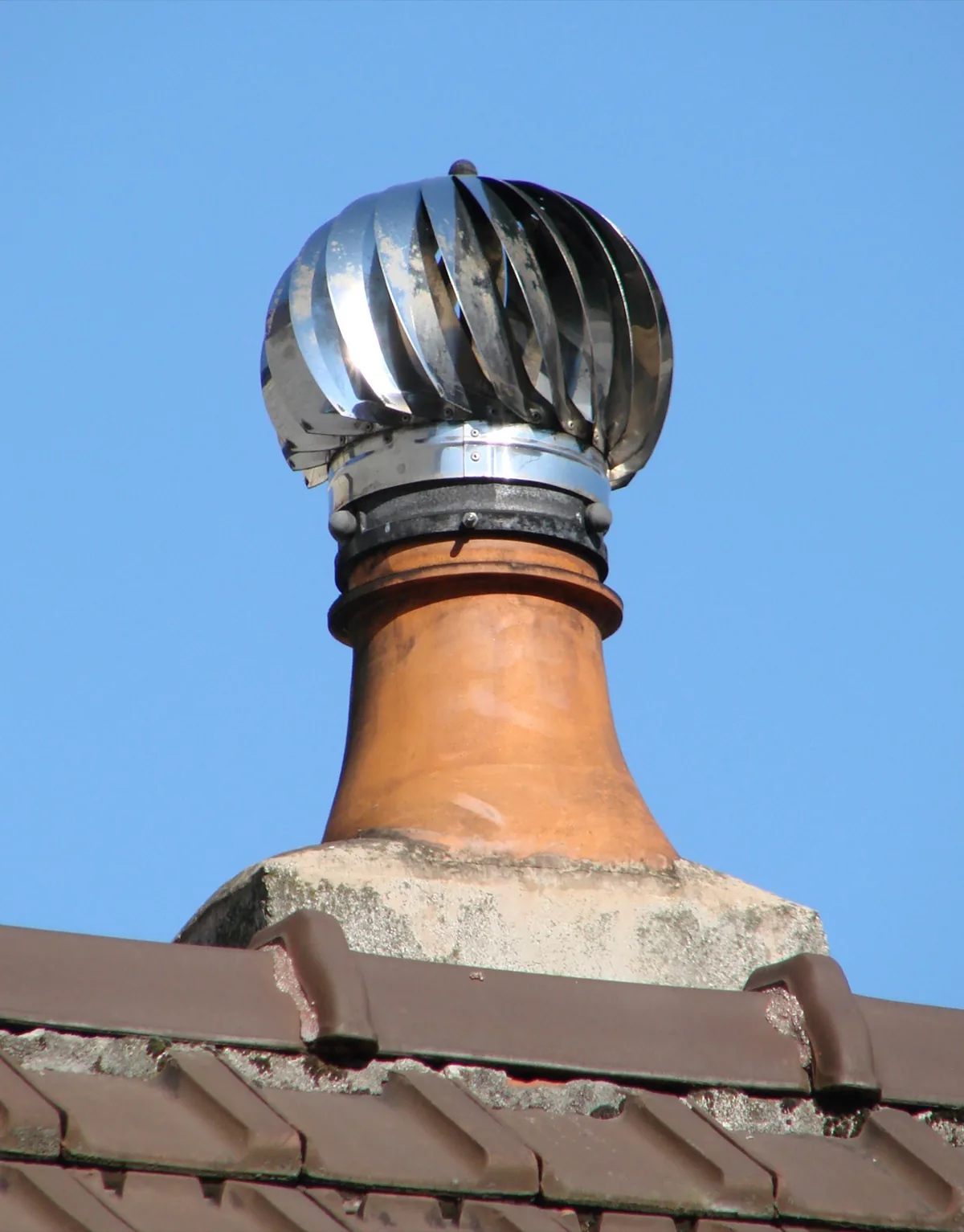
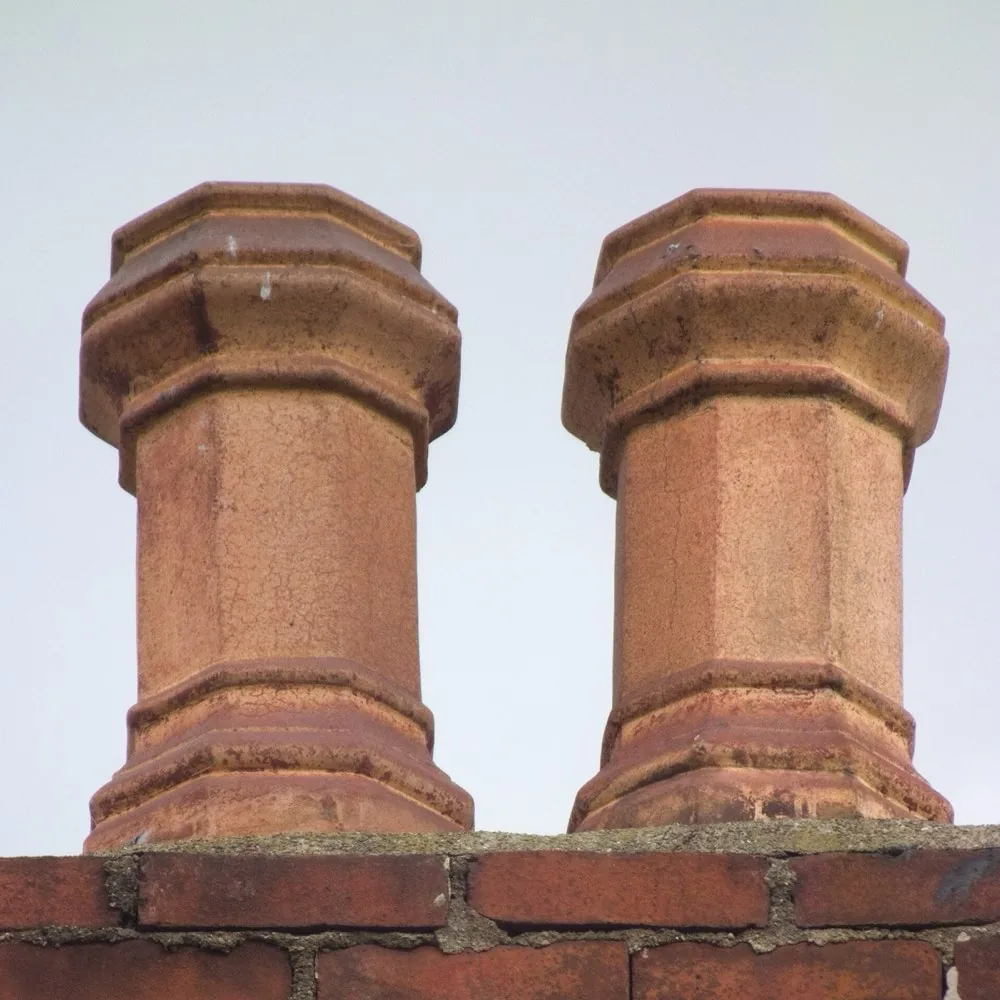
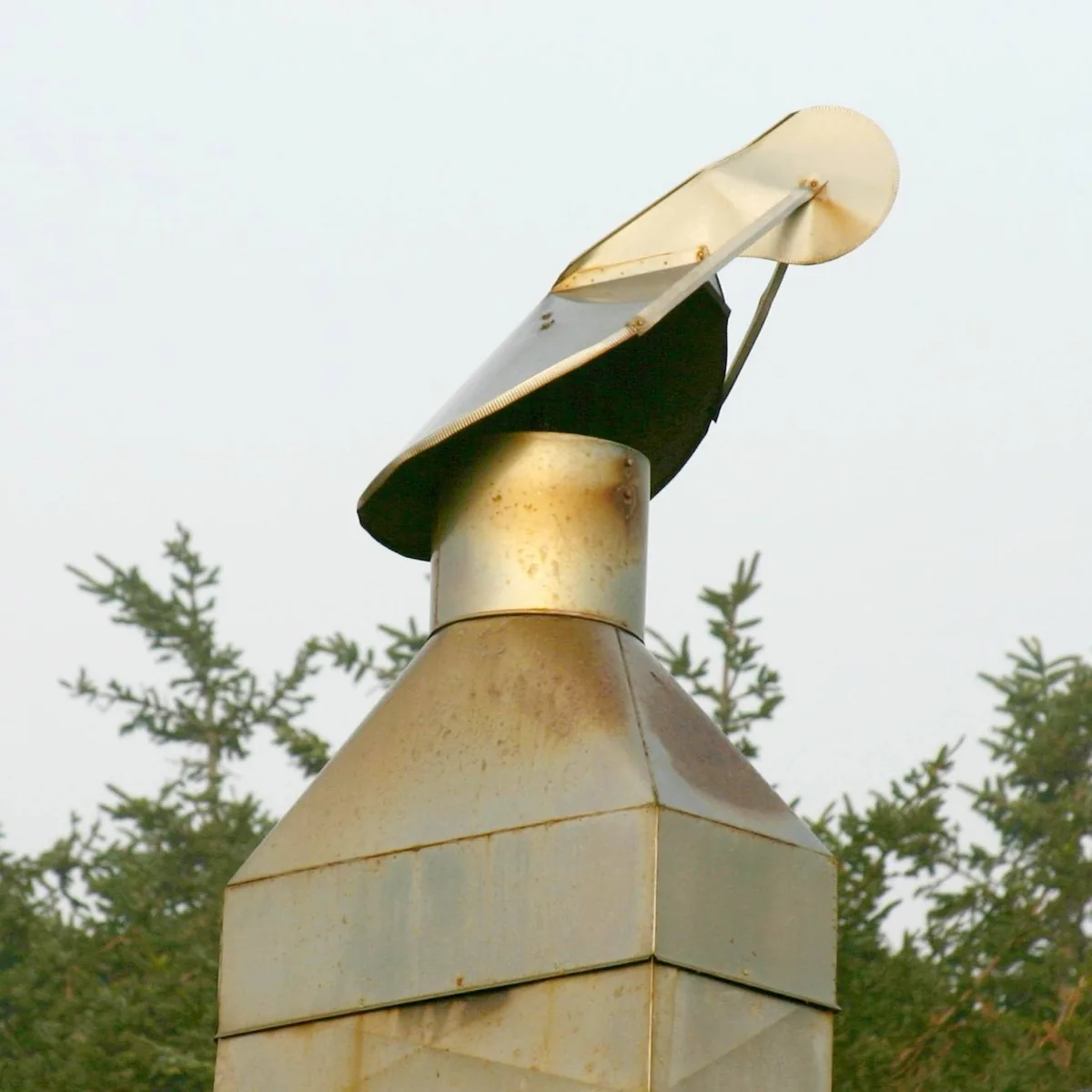
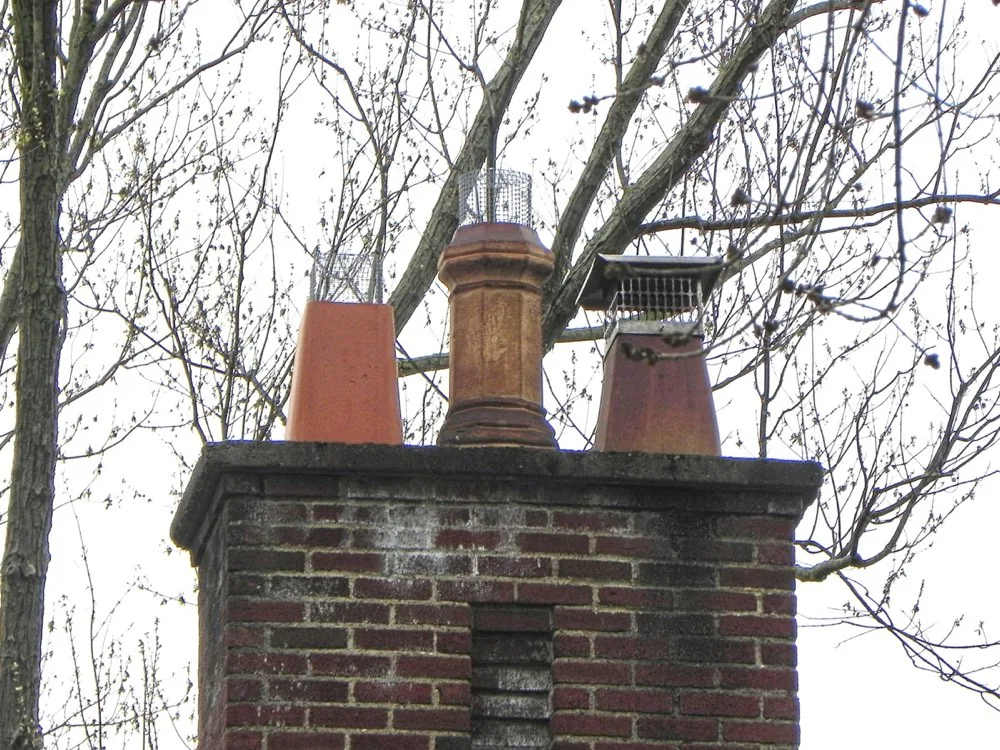
A cap fitted to your actual flue size so it seals and stays put in Florida wind.
Keeps direct rain out of the flue, a leading cause of interior chimney damage.
Mesh keeps birds, squirrels, and leaves from getting in and blocking the flue.
Quality caps installed to handle wind-driven rain and storm season.
The chimney cap is the cover at the very top of the flue. Its job is to keep rain, leaves, and animals out while still letting smoke escape, and it usually includes a mesh screen and sometimes a spark guard. It's a small part that prevents some of the most common, and most expensive, chimney problems, water in the flue, blockages, and animals nesting inside.
We supply and fit caps that fit your flue properly and stand up to Florida weather. If your cap is missing, rusted, crushed, or was never the right size, we'll replace it with one that does its job and looks right on the chimney.
Florida's climate is genuinely hard on an uncapped flue. The state averages well over 50 inches of rain a year, and much of it comes in fast, sideways bursts during afternoon thunderstorms and tropical systems. Without a cap, that water falls straight down the flue and into the smoke chamber, soaking the terracotta liner tiles, the mortar joints, and the firebox floor. In our humidity, which rarely drops below 60% even in winter, that moisture never fully dries out between rain events. The result is accelerating mortar deterioration and, in older masonry chimneys, spalling brick that crumbles from the inside out. A properly fitted cap is the simplest thing standing between your flue and that cycle of damage.
Salt air compounds the problem for homeowners anywhere near the coast or the Intracoastal. Salt is corrosive to metal, and a cheap galvanized cap installed a few years ago may already be rusting through at the seams, losing its mesh, or lifting at the edges from wind uplift during squalls. When that happens the cap stops doing its job, or becomes a hazard itself if it comes loose. Stainless steel and copper caps hold up substantially better in a coastal environment, and the step up in material cost is usually recovered quickly by avoiding the water damage a failed cap allows in.
Because Florida fireplaces are used lightly, a cool evening here and there from November through February, chimneys can sit unused for eight or nine months at a stretch. An uncapped flue during that long off-season is an open invitation: raccoons, squirrels, and chimney swifts nest inside, leaves and Spanish moss pack into the smoke shelf, and spiders build webs across the damper throat. By the time a homeowner goes to light the first fire of the season, the flue can be fully blocked. A cap with a proper wire mesh skirt stops all of that without restricting draft when the fireplace is in use.
Because caps take the full brunt of Florida's weather year-round, they wear out and fail in predictable ways. When we inspect a chimney before installing a replacement, we almost always find at least one of the issues below, and catching them early makes the cap installation cleaner and longer-lasting.
Here is what we run into most often on Florida chimneys.
Tell us what's going on and we'll set a time that works for you.
We come out, find the real cause, and give you honest, upfront pricing, no obligation.
We complete the work cleanly and confirm everything is safe and ready to use.
Tell us what's going on: a leak, a crack, a failed inspection, or a cleaning. We'll give you honest, upfront pricing.
Takes less than 30 seconds.
A chimney cap protects the flue opening, while a crown or chase cover protects the structure around it. The useful decision is whether the existing cap can be secured, needs replacement, or is missing entirely, then confirming the flue dimensions, termination type, material, and attachment method. A cap should not be presented as a cure for every chimney leak.
A missing cap requires installation. A loose cap may be secured if the metal, screen, and attachment points remain sound. Replacement is usually more appropriate when the cap is rusted through, badly bent, incorrectly sized, or no longer keeping out rain and animals. Fit and condition determine the scope.
A chimney cap covers the flue opening. A crown is the sloped masonry or concrete surface at the top of a masonry chimney. A chase cover is the large sheet-metal top used over many framed chimney chases. Because each protects a different opening, replacing one will not correct failure in another.
The cap must match the flue dimensions, chimney configuration, termination type, and attachment method without restricting exhaust flow. Material selection also depends on exposure and the condition of adjacent components. Measuring the actual opening and identifying the chimney system is more reliable than selecting a cap by appearance alone.
A cap can stop rain entering directly through an uncovered flue and can reduce animal and debris entry. It will not correct failed flashing, a cracked crown, open mortar joints, or a leaking chase cover. The surrounding chimney top should be checked so the cap is not treated as a universal leak repair.
Popular areas we serve: Miami · Tampa · Orlando · Jacksonville · Fort Lauderdale · St. Petersburg · Hialeah · Port St. Lucie · Cape Coral · West Palm Beach · Boca Raton · Hollywood · Naples · Sarasota · Clearwater · All service areas
Related chimney & fireplace services: Chimney Brick Replacement & Repair · Chase Cover Replacement · Chimney Chase Repair · Chimney Crown Repair · Chimney Damper Repair · Chimney Flashing Repair · Chimney Inspection · Chimney Leak & Flashing Repair · Chimney Liner Replacement · Chimney Rebuild · Chimney Relining for Florida Homes · Chimney Repair · Chimney Sweep & Cleaning · Tuckpointing & Masonry Repair · Chimney Waterproofing · Firebox Repair for Florida Fireplaces · Fireplace Installation · Fireplace Repair & Service · Fireplace Restoration · Gas Fireplace Service · Prefab Chimney Repair · Smoke Chamber Repair
Family-owned Florida team · Same-day service available. No obligation, takes about 30 seconds.
10% OFF