
Direct answer
Chimney crown repair restores the sloped masonry top that sheds water away from the flue and chimney walls. Small, stable surface cracks may allow a crown repair or resurfacing, while deep separation, missing sections, poor slope, or widespread deterioration can require rebuilding the crown. The flue clearance and drip edge must remain correct.
#1 Priority: Keep Crown Defects From Letting Water Into the Masonry
The crown sheds water from a masonry chimney top, so cracks, poor slope, and edge deterioration require a crown-specific assessment rather than a cap or flashing repair.
Chimney Crown Repair: What the Work Looks Like
The kind of work we handle across Florida, swipe to see more.
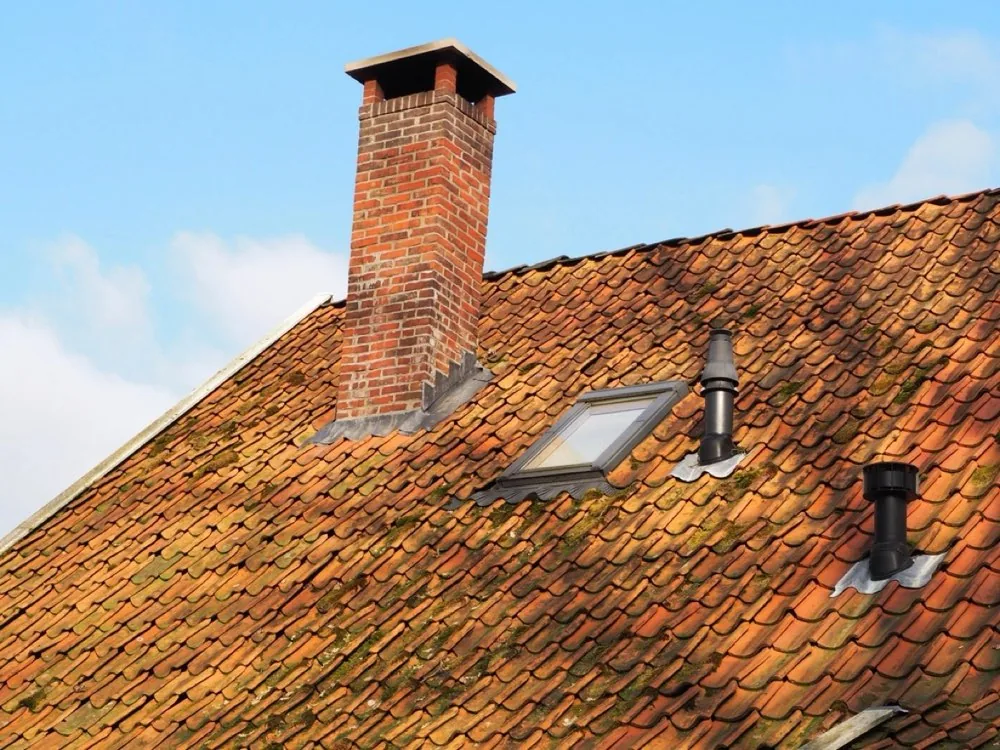
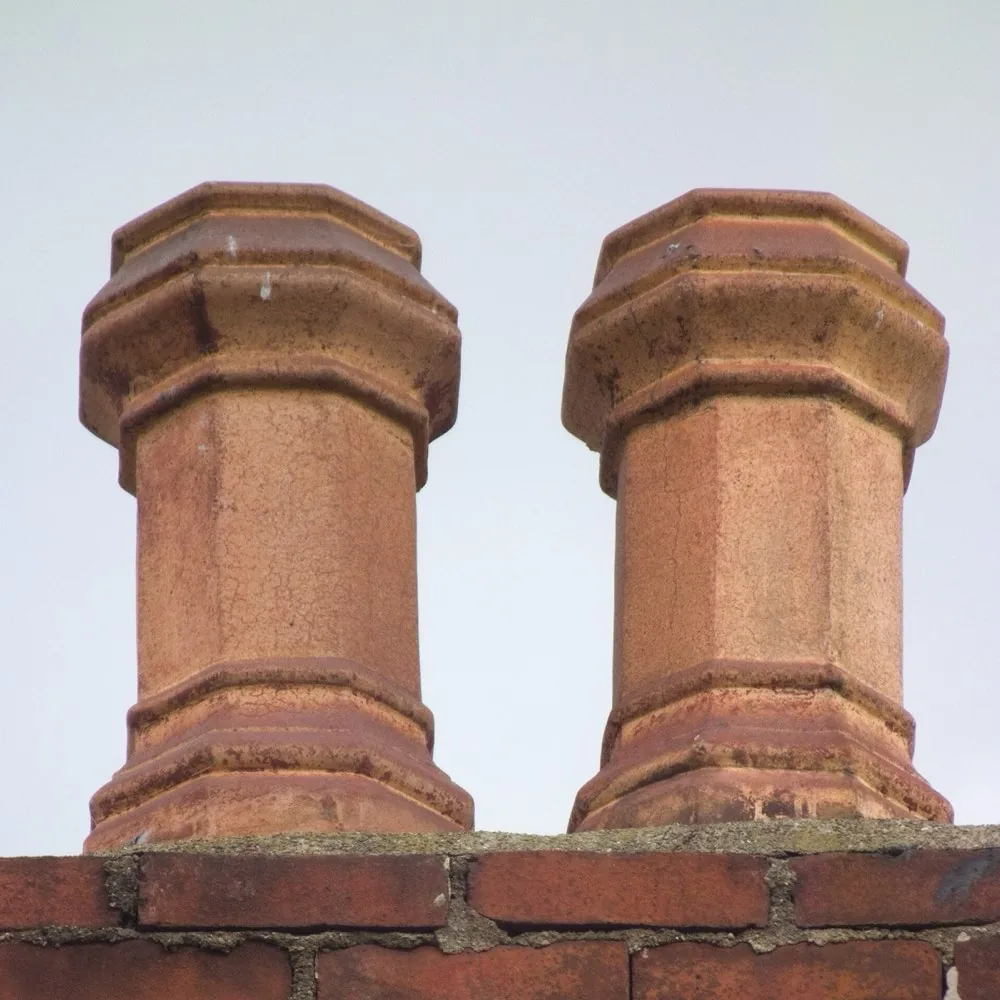
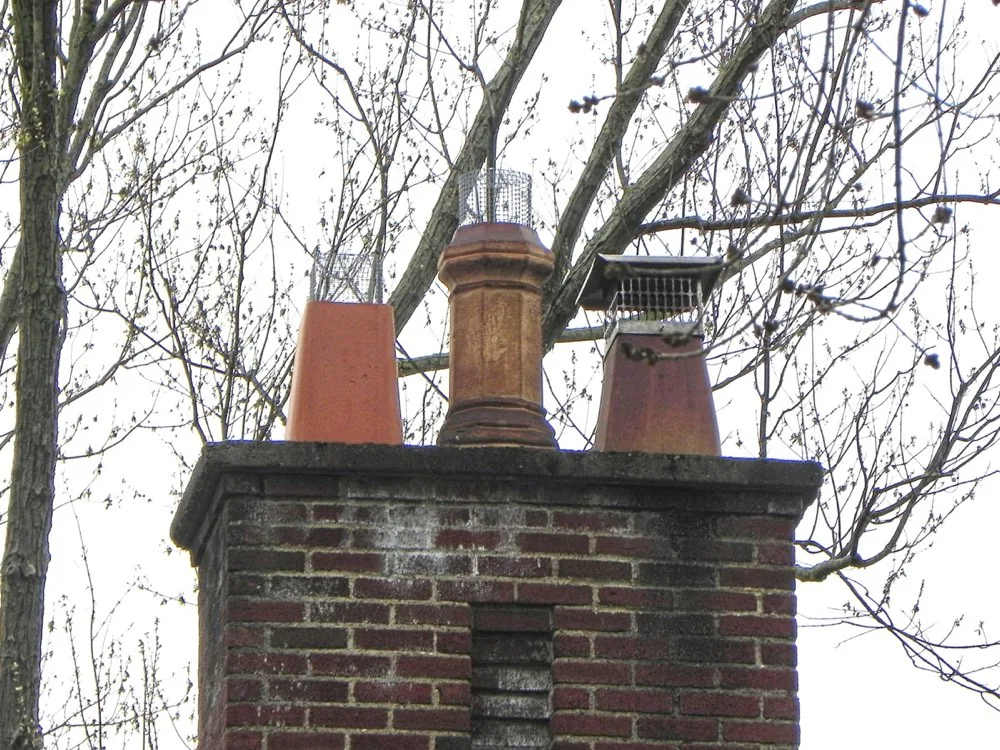
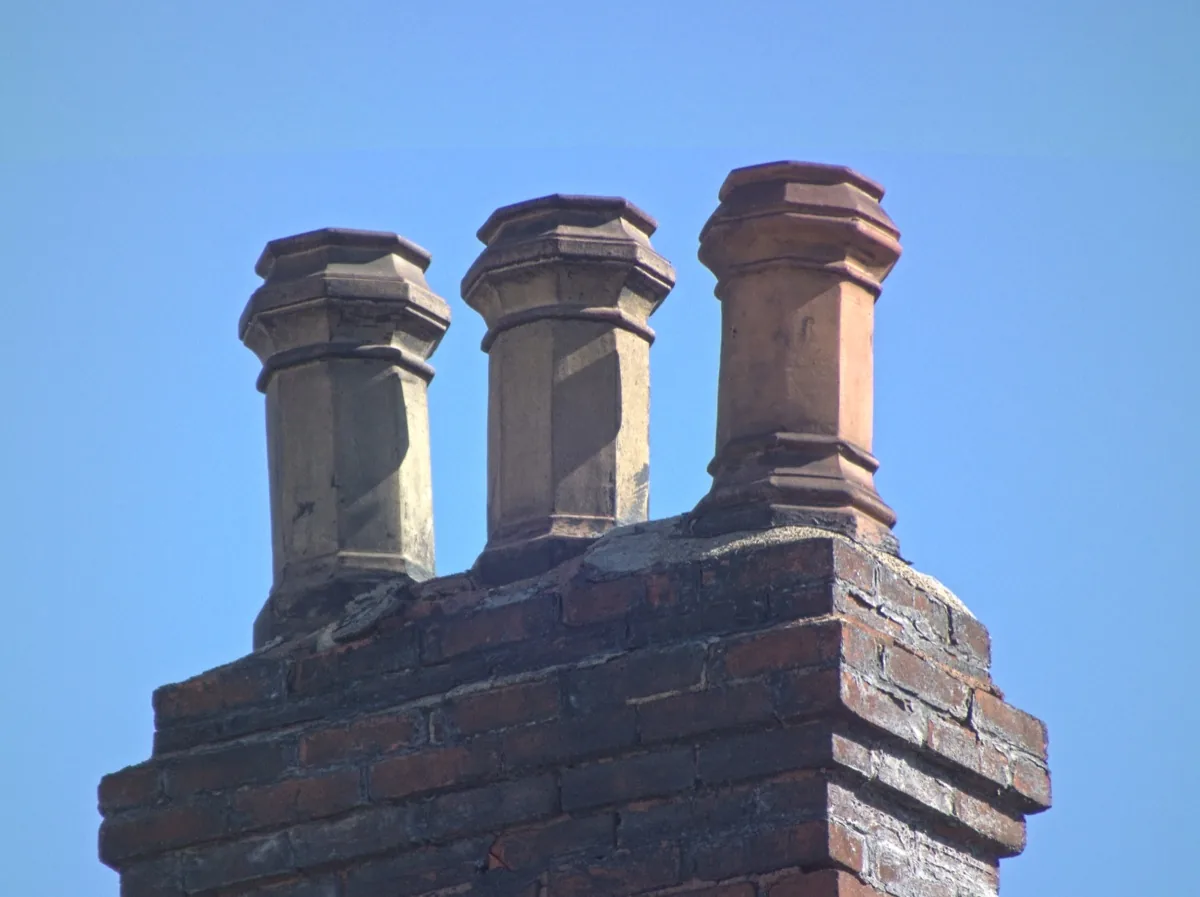
What Our Chimney Crown Repair Service Includes
Crack Sealing
Hairline and moderate crown cracks sealed with proper, flexible crown coating.
Crown Rebuild
Badly deteriorated crowns rebuilt with the correct slope to shed water.
Water Protection
Stops the most common top-side path for water to enter the chimney structure.
Long-Lasting Finish
Materials chosen to hold up to Florida sun, heat, and heavy rain.
Signs You Need Chimney Crown Repair
- Visible cracks in the concrete slab at the top of the chimney
- Pieces of the crown or concrete debris at the base of the chimney
- Water stains inside the chimney or on the ceiling below it
- Spalling or flaking brick just below the crown
The chimney crown is the sloped concrete or mortar layer at the very top of the masonry, around the flue. It sheds rain away from the bricks below. When the crown cracks, and Florida sun, heat, and rain crack them steadily: water runs straight into the chimney structure, freezing-and-thawing aside, soaking the masonry and working its way down.
Depending on the damage, we either seal and patch hairline cracks with the right crown sealant or rebuild the crown entirely when it's badly deteriorated. Either way, the goal is the same: a crown that sheds water properly and protects everything beneath it. Crown work is one of the most cost-effective ways to prevent major water damage.
Why Chimney Crown Repair Matters for Florida Homes
Florida winters are mild enough that most chimneys here see light, seasonal use, but that doesn't mean the crown gets a break. The real threat isn't fire; it's water, and Florida delivers it relentlessly. South Florida alone averages over 60 inches of rain a year, and the Gulf and Atlantic coasts add salt air into the mix. A chimney crown that's cracked even slightly is an open invitation for that moisture to travel down through the masonry, into the firebox, and eventually into the interior of the home. Because chimneys here aren't warming up and drying out through a long heating season the way they might in colder climates, water that gets in tends to stay in: feeding mold, deteriorating mortar joints, and staining walls well before most homeowners notice anything is wrong.
The expansion and contraction cycle in Florida is different from what you'd expect up north. Instead of freeze-thaw damage, Florida crowns contend with daily heat swings, concrete baking in 95-degree afternoon sun, then cooling overnight or under a sudden afternoon thunderstorm. Over several years, that thermal cycling opens hairline cracks in a crown that wasn't built with enough flexibility or proper overhang. Once those cracks form, every storm season drives water deeper. Hurricane-season storms are the breaking point for many crowns: sustained wind-driven rain finds every gap, and what was a minor crack in May can be a structural split by October.
Salt air compounds all of this along the coast. From Miami up through the Tampa Bay area and along the Treasure Coast, the crown surface is constantly exposed to chloride-laden air that slowly degrades the concrete binder. A crown that looks solid from the ground can be spongy and porous on the surface, absorbing water rather than shedding it. For Florida homeowners, the chimney crown isn't a detail to revisit every decade: it's the single most important barrier keeping rainfall out of the chimney system, and keeping it in good repair is far less expensive than dealing with the masonry and interior damage that follows when it fails.
Common Chimney Crown Repair Problems We See in Florida
Florida chimneys take a beating that most homeowners don't think about until something goes wrong. After inspecting chimneys across the state, we've found the same crown problems showing up again and again, and most of them trace back to the same root causes: Florida-grade moisture, expansion cycles from temperature swings, and concrete that was either mixed too thin the first time or left untreated for too long.
Here's what we actually find when we get up on a Florida roof and take a close look at the crown.
- Hairline and spider-web cracking, The most common finding. Concrete expands and contracts with Florida's heat, and when a crown wasn't built with the right mix or overhang, those daily thermal cycles open small cracks that let water in. Left alone, hairline cracks widen every rainy season.
- Crown poured flush with the flue tile, A construction shortcut we see on older Florida homes. The crown should slope away from the flue and overhang the chimney edge. When it's poured flat and flush, water pools at the base of the flue tile and works straight down into the masonry.
- Salt-air surface erosion, Within a few miles of the coast, the crown surface pits and softens over time from salt-laden air. The concrete looks chalky or spongy when you press it. A compromised surface absorbs water rather than shedding it, accelerating the breakdown.
- Storm and hurricane damage: High winds throw debris, and heavy rain drives water horizontally into any existing gap. After a named storm, crowns that had small cracks often come back showing full breaks or shifted sections. We see this most in the season following a major storm.
- Failed or missing crown sealer, Sealer is the first line of defense and it doesn't last forever in Florida's UV exposure and heat. An old, chalky, or peeling sealer offers little protection. In many cases, a fresh application of a flexible, penetrating sealer is all that's needed; in others, the concrete underneath has already failed and sealer alone won't fix it.
- Full crown deterioration requiring rebuild: When cracks run deep, the crown has separated from the flue collar, or chunks are missing, a patch won't hold. We rebuild the crown with a proper mix, the right slope, and an adequate overhang so water drains away from the chimney rather than into it.
Repair the Crown or Rebuild It?
The decision depends on depth, movement, geometry, and how much sound material remains—not just whether a crack is visible.
| Finding | Likely scope | What should be verified |
|---|---|---|
| Hairline surface cracks with a stable, sloped crown | Targeted crown repair may be possible | Crack depth, bond, flue clearance, and whether water has reached the masonry below |
| Open separation around the flue | Rebuild or detail the failed flue joint | A movement gap and weather-tight termination without bonding the crown to the flue |
| Flat surface or water ponding | Correct the crown geometry | Positive slope, overhang, drip edge, and runoff away from the chimney walls |
| Loose, missing, or widely fractured material | Crown rebuild | How much sound material remains and whether the top courses also need masonry repair |
| Water enters through an uncovered flue | Cap installation plus crown evaluation | The cap and crown protect different openings and may each need attention |
How It Works
Call or Request a Quote
Tell us what's going on and we'll set a time that works for you.
Free On-Site Assessment
We come out, find the real cause, and give you honest, upfront pricing, no obligation.
Done Right, Fast
We complete the work cleanly and confirm everything is safe and ready to use.