Routine visible inspection
Accessible portions of the fireplace, flue, chimney exterior, cap, crown, and roofline are reviewed for condition and obvious hazards.
Schedule a chimney or fireplace inspection before buying or selling, after a storm, or when performance changes. We explain the findings and next steps clearly.
No trip charge and no hidden fees. You get a clear price before any work starts.
Urgent leak or a failed inspection? We can often get to you the same day.
A local team that treats your home like our own and stands behind the work.
Direct answer
A chimney inspection identifies visible damage, venting problems, blockages, and moisture entry before the system is used or a property changes hands. The appropriate inspection level depends on what changed: routine use, a storm or fire, a new appliance, a failed home inspection, or areas that cannot be evaluated without cameras or access.
A documented inspection examines accessible chimney and fireplace components, identifies visible concerns, and determines whether cleaning, a named repair, or a deeper Level 2 review is appropriate.
The inspection level and tools should match the reason for the visit rather than being presented as interchangeable packages.
Accessible portions of the fireplace, flue, chimney exterior, cap, crown, and roofline are reviewed for condition and obvious hazards.
A scan can document interior joints, cracks, gaps, deposits, and obstructions that are not visible from the openings.
A transfer, new appliance, relining project, or change in use can require a more detailed evaluation of concealed and connected areas.
The report should identify the system because listed prefab parts and masonry components have different repair limits.
The kind of work we handle across Florida, swipe to see more.
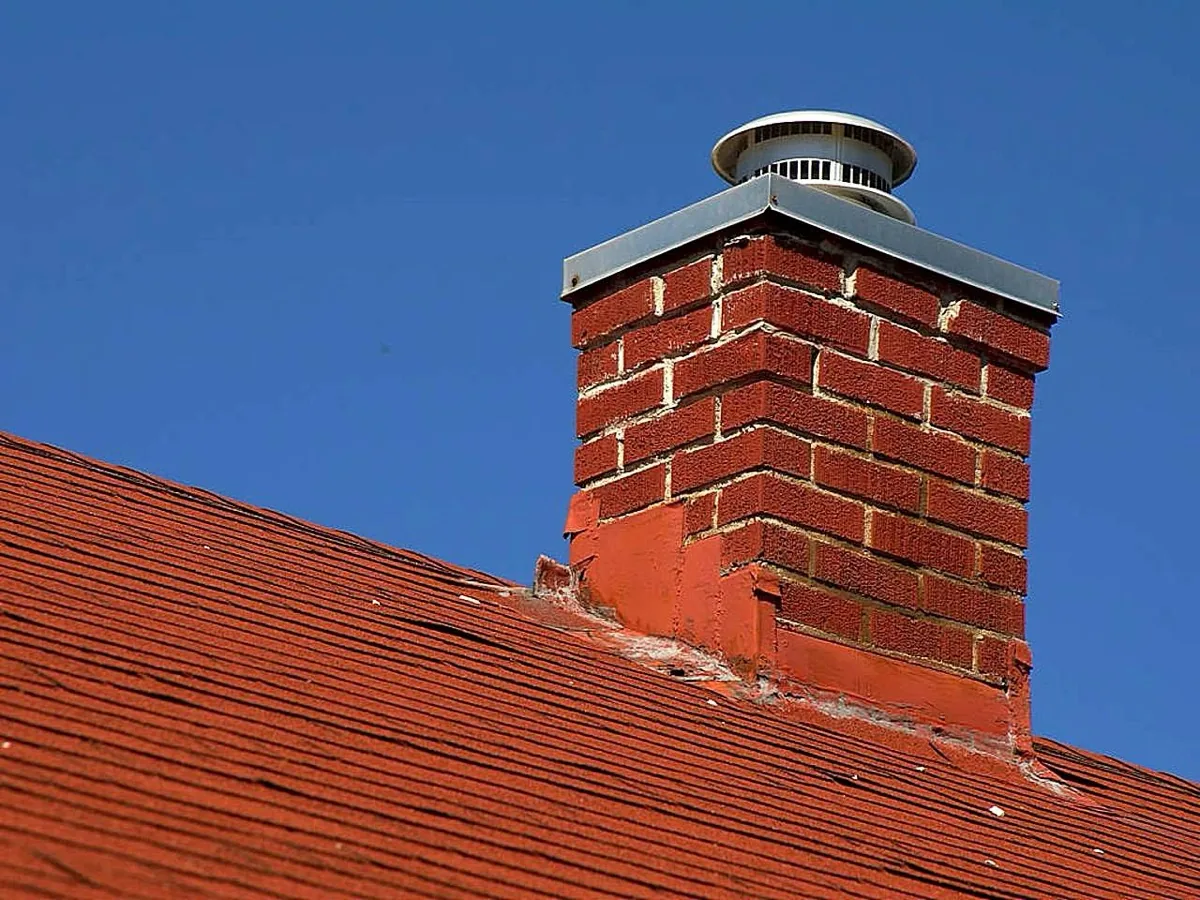
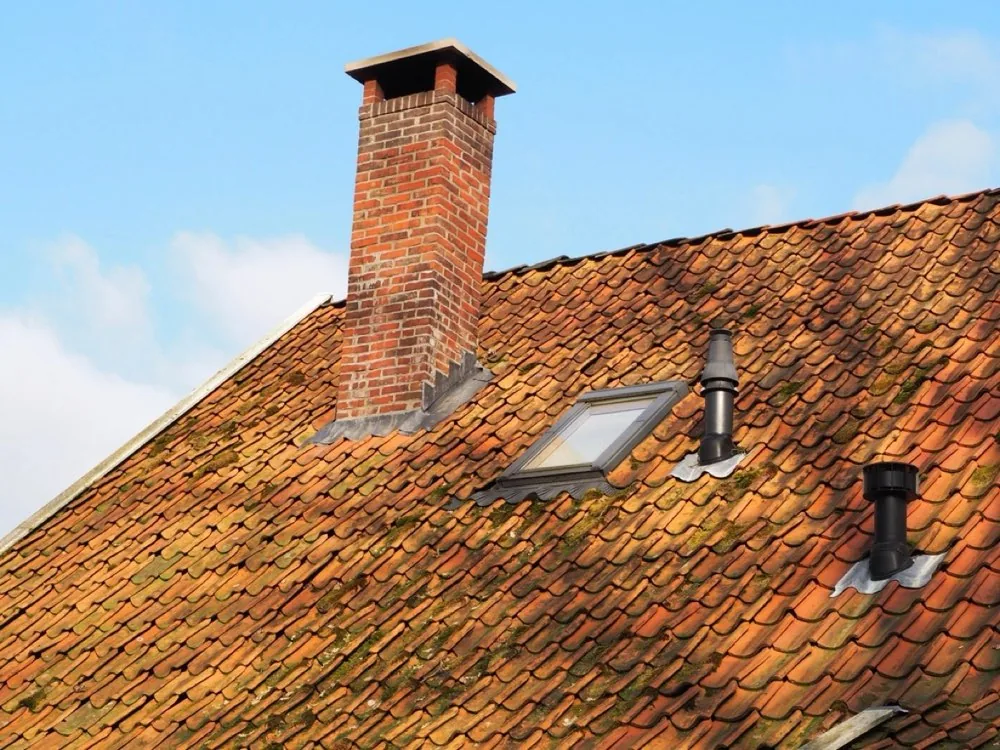
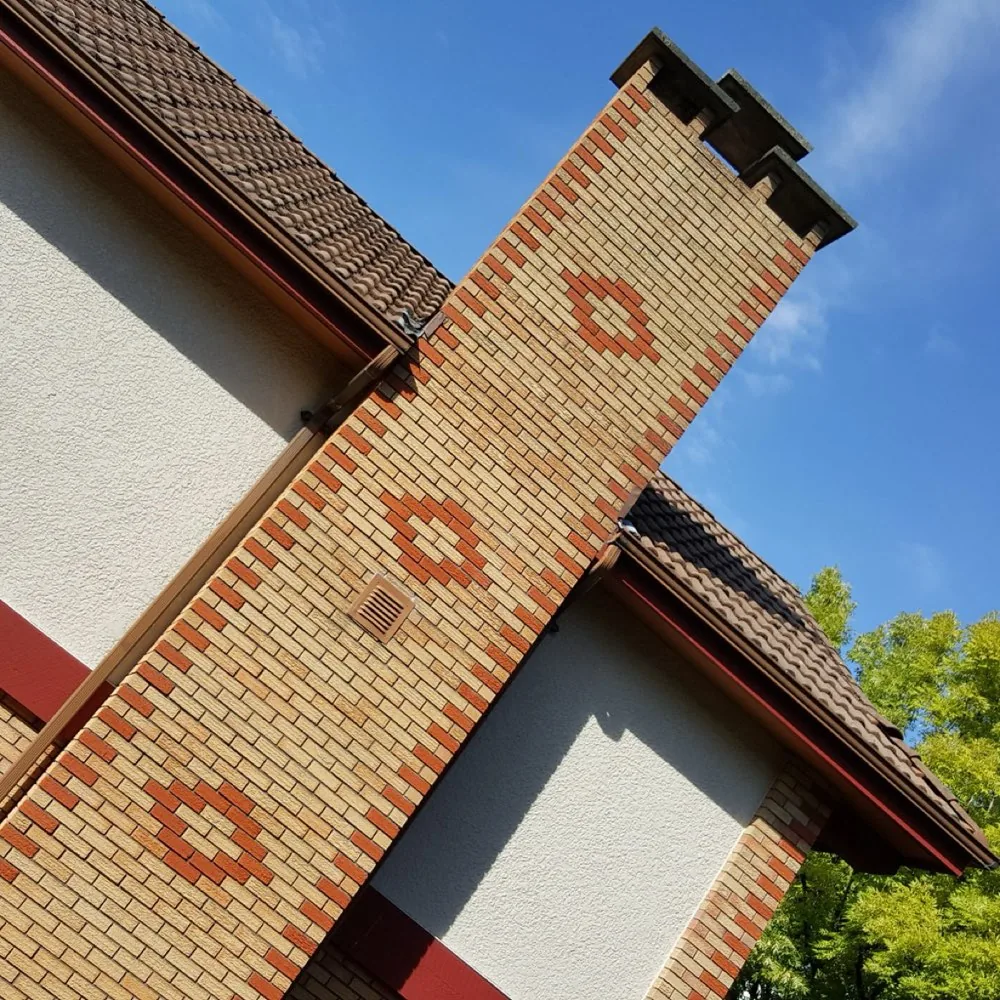
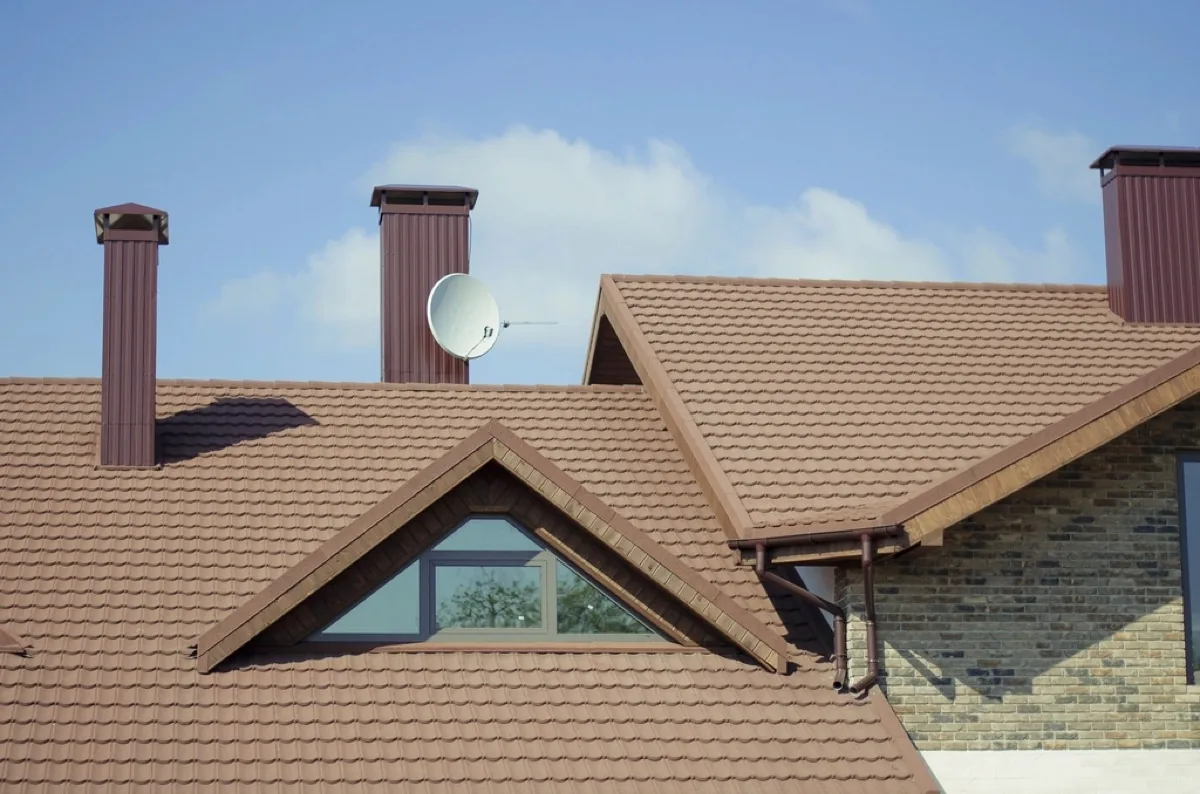
The inspection scope is matched to the reason for the visit, the chimney type, accessible components, and known changes or symptoms.
Routine use, a property transfer, a storm or fire, an appliance change, and a concealed concern can require different levels of evaluation.
Accessible portions of the fireplace, flue, exterior, cap, crown, masonry, flashing, and roofline are reviewed for condition.
The findings explain what appears sound, what should be watched, and what condition may need additional access, testing, cleaning, or repair.
Recommendations follow the observed condition instead of treating every inspection as a reason to sell repair work.
Related decision guides: chimney inspection levels · inspections before buying a Florida home · fireplace warning signs
A chimney inspection is an honest assessment of the condition and safety of your chimney and flue, the crown, cap, masonry, flashing, firebox, and how everything is venting. It's the right first step when you're buying or selling a home, after a major storm, or any time you're not sure what shape your chimney is really in.
We walk you through what we find in plain language, point out what matters and what doesn't, and give you straight answers about whether anything needs work. There's no upselling, if your chimney is in good shape, we'll tell you that.
The reason for the visit helps define the inspection scope. An annual check, a property sale, a change to the fireplace, and a suspected damage problem should not be treated as interchangeable appointments.
Explain how the fireplace is used and whether anything has changed since the last inspection. Ask which parts of the system will be examined and whether cleaning is included or assessed separately.
Share the transaction deadline and any chimney findings from the home inspection. Ask which inspection level is appropriate and what findings or documentation the buyer, seller, or other requesting party needs.
Describe the event and any smoke, visible movement, falling material, or water entry. Do not use the fireplace to recreate a fault. The inspection scope depends on the event and the suspected damage.
Tell us about a planned insert, replacement appliance, relining, or fuel change. The existing chimney and proposed installation need to be considered together; a routine maintenance check is not the same as evaluating a change.
Have previous inspection findings, the appliance manual if available, and the reason for the request ready. Mention a purchase deadline, recent incident or planned change when scheduling. Confirm access needs in advance; do not climb onto the roof or open concealed areas yourself. An estimate request does not replace the inspection.
The starting scope changes when the system, ownership, appliance, or known condition changes. Additional access or camera work should be tied to a defined reason.
| Reason for inspection | Starting scope | When a closer evaluation may be justified |
|---|---|---|
| Routine use with no known change | Accessible fireplace, flue, chimney exterior, cap, crown, and roofline condition | A visible defect, blockage, deposit, moisture sign, or inaccessible area changes the scope |
| Home sale or transfer | Identify the system, accessible condition, use history, and visible defects | Unknown history, concealed areas, or a concern raised during the property inspection |
| New appliance, relining, or change in fuel | Evaluate compatibility of the appliance, flue, liner, connection, and clearances | The proposed change depends on dimensions or areas that cannot be confirmed visually |
| Storm, fire, impact, or suspected overheating | Target the event and the connected components that may have been affected | Interior joints, concealed damage, or the full venting path cannot be evaluated from the openings |
| Smoke, odor, water, or draft symptoms | Trace the symptom through the fireplace, venting path, exterior, and moisture entry points | The symptom persists without a visible cause or points to an inaccessible area |
Tell us what's going on and we'll set a time that works for you.
We come out, find the real cause, and give you honest, upfront pricing, no obligation.
We complete the work cleanly and confirm everything is safe and ready to use.
Tell us what's going on: a leak, a crack, a failed inspection, or a cleaning. We'll give you honest, upfront pricing.
Takes less than 30 seconds.
The right chimney inspection depends on whether the system is in routine use, has changed appliances or ownership, experienced damage, or shows a concealed problem. A useful inspection identifies the chimney type, accessible components, deposits, venting path, moisture, and visible defects, then documents what was examined and whether more access or testing is justified.
A Level 1 inspection generally fits a regularly used system with no changes or known problems. A Level 2 inspection is commonly appropriate after a property transfer, appliance or venting change, chimney fire, or event that may have caused damage. The property history and current concern determine the suitable level.
A camera examination is often associated with a more detailed inspection when the internal flue surface must be evaluated. It is not identical to every visual inspection, and access can limit what is seen. The requested inspection level should state whether internal video scanning and recorded images are included.
An inspection can identify accessible deposits, obstructions, damaged liners, open joints, moisture entry, deteriorated masonry, cap or crown failures, flashing concerns, and visible firebox or venting defects. It cannot guarantee conditions hidden behind finished materials unless the selected level includes the access needed to examine those areas.
Cost depends on inspection level, chimney and appliance type, number of flues, height, access, camera requirements, and whether unusual conditions require additional examination. A routine accessible system differs from a transfer inspection or suspected concealed damage. The requested scope should be confirmed before a reliable price is provided.
Popular areas we serve: Miami · Tampa · Orlando · Jacksonville · Fort Lauderdale · St. Petersburg · Hialeah · Port St. Lucie · Cape Coral · West Palm Beach · Boca Raton · Hollywood · Naples · Sarasota · Clearwater · All service areas
Related chimney & fireplace services: Chimney Brick Replacement & Repair · Chase Cover Replacement · Chimney Caps · Chimney Chase Repair · Chimney Crown Repair · Chimney Damper Repair · Chimney Flashing Repair · Chimney Leak & Flashing Repair · Chimney Liner Replacement · Chimney Rebuild · Chimney Relining for Florida Homes · Chimney Repair · Chimney Sweep & Cleaning · Tuckpointing & Masonry Repair · Chimney Waterproofing · Firebox Repair for Florida Fireplaces · Fireplace Installation · Fireplace Repair & Service · Fireplace Restoration · Gas Fireplace Service · Prefab Chimney Repair · Smoke Chamber Repair
Family-owned Florida team · Same-day service available. No obligation, takes about 30 seconds.
10% OFF