Fireplace refacing
Tile, stone, brick, and surround finishes are evaluated with their substrate, clearances, opening geometry, and heat exposure.
Restore a damaged or dated fireplace across Florida, from the firebox and hearth to the damper and draft path. Request a free on-site estimate.
No trip charge and no hidden fees. You get a clear price before any work starts.
Urgent leak or a failed inspection? We can often get to you the same day.
A local team that treats your home like our own and stands behind the work.
Direct answer
Fireplace restoration returns a damaged or altered hearth system to safe, usable condition while preserving the parts that remain sound. The scope may include firebox masonry, refractory panels, the hearth, damper, smoke chamber, surround, and draft path. Cosmetic work comes after the fire-facing materials, clearances, and venting have been evaluated.
A coordinated restoration can address condition, performance, and appearance together when the project extends beyond one isolated repair or a completely new fireplace installation.
A new surround changes the appearance; repairing the firebox or venting changes how the fireplace can be used. We separate those needs before planning the finish, so cosmetic work does not cover an unresolved defect.
Tile, stone, brick, and surround finishes are evaluated with their substrate, clearances, opening geometry, and heat exposure.
A design change may affect the mantel, hearth, opening, appliance, venting, or adjacent framing and should be planned as a system.
Fire-facing masonry and hearth protection are corrected before cosmetic coatings or finish materials are installed.
A sealed or unused fireplace needs inspection of the flue, firebox, clearances, and prior alterations before it returns to service.
The kind of work we handle across Florida, swipe to see more.

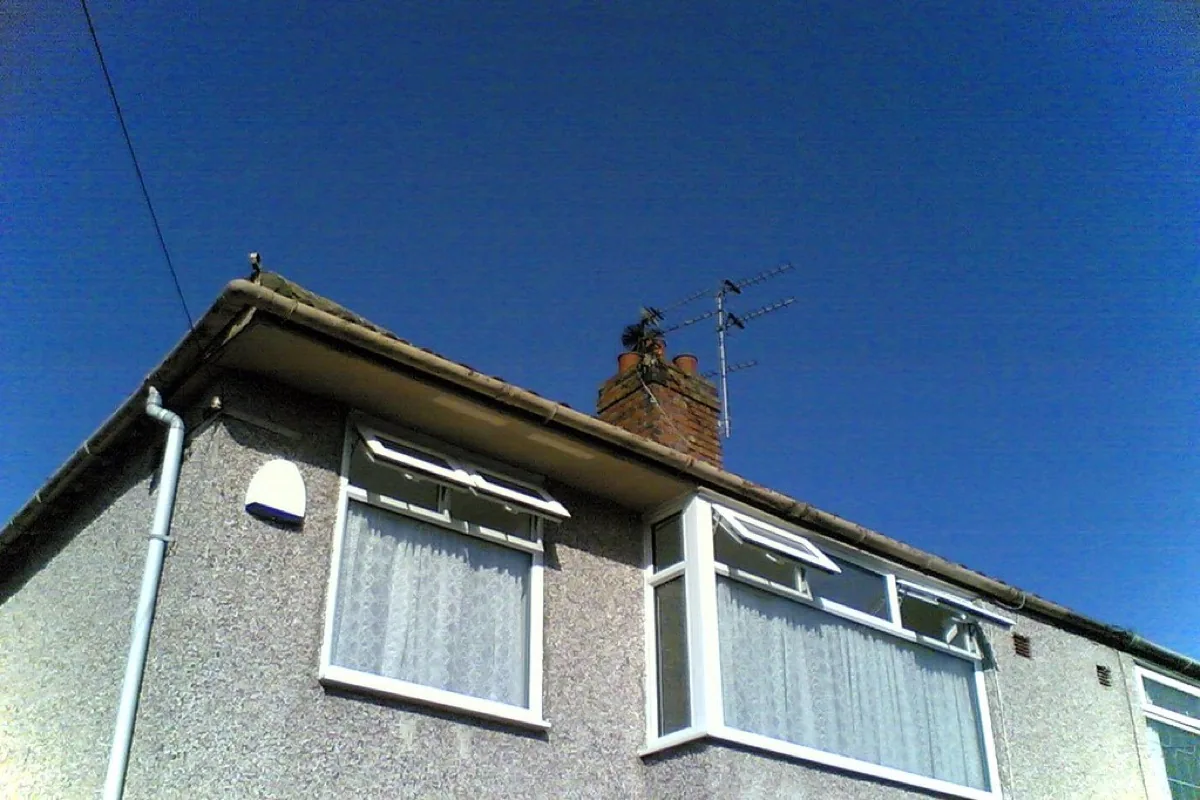
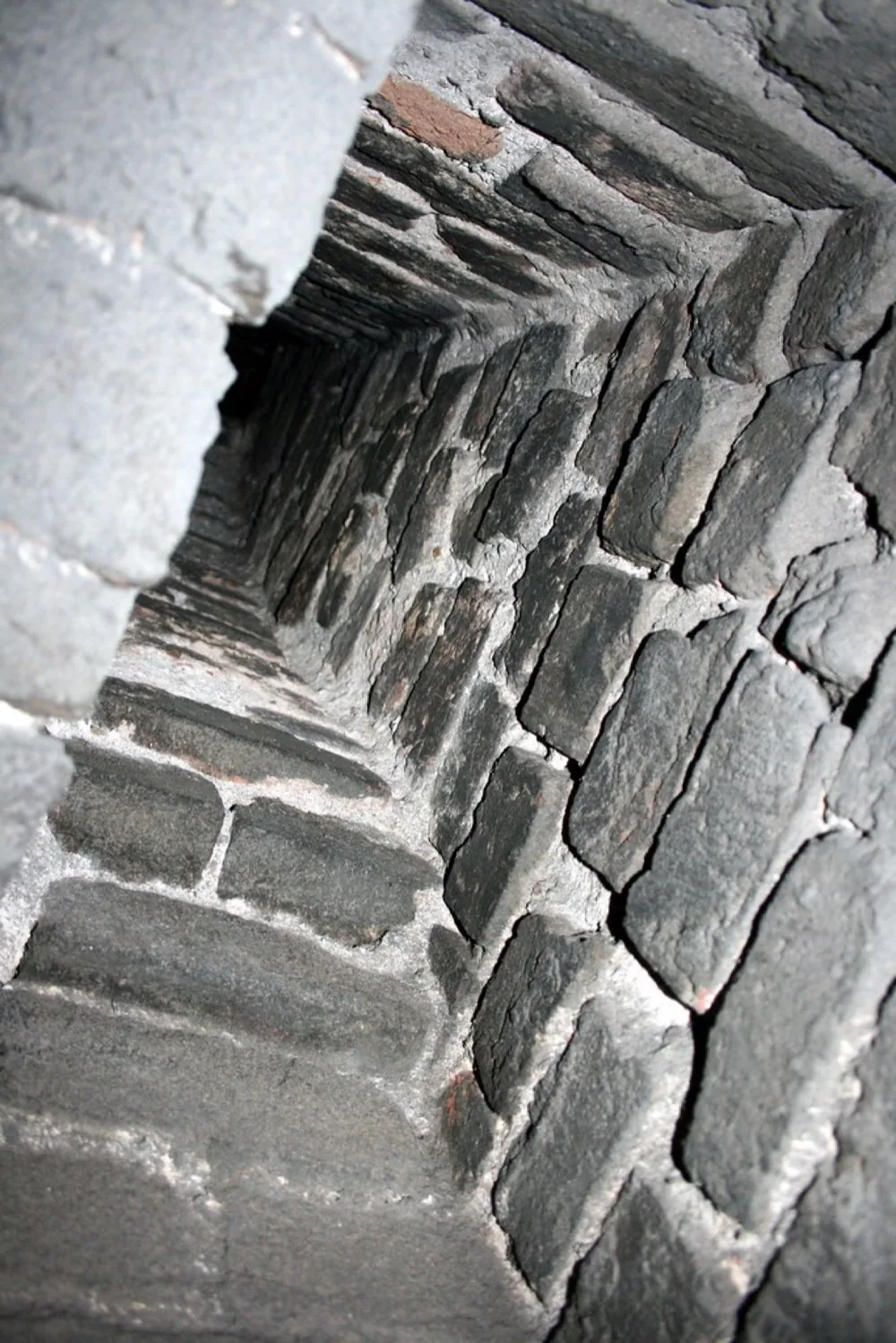
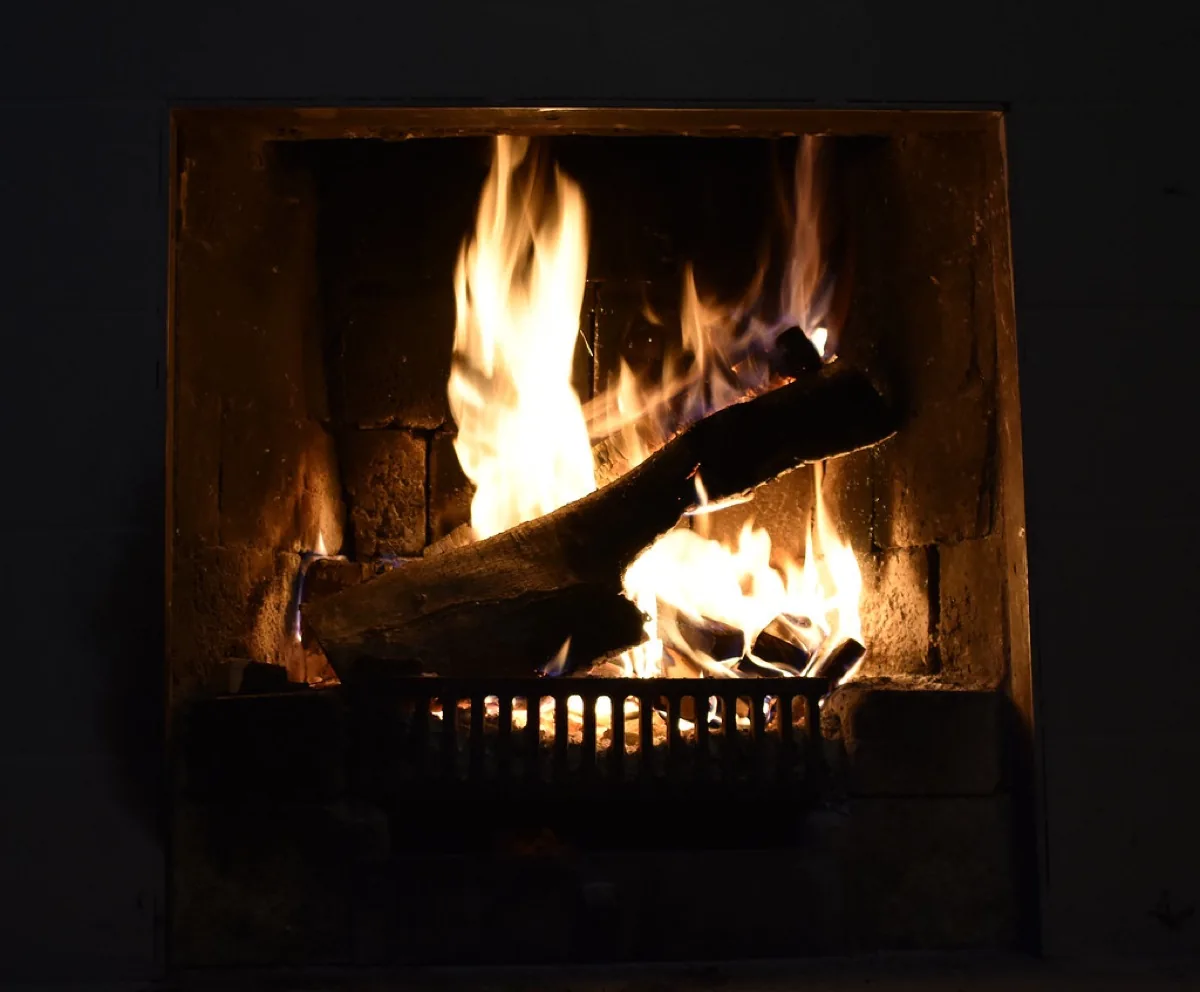
Years of soot, staining, and buildup cleared from the firebox and surround.
Firebox, damper, and components repaired so the fireplace works and is safe to use.
Tired or damaged surrounds and hearths brought back to a clean, finished look.
We confirm it's sound and ready before you light it again.
Fireplace restoration is about taking a fireplace that's been neglected, damaged, or just looks dated and bringing it back: cleaning out years of soot and buildup, repairing the firebox and damper, refreshing the surround and hearth, and making sure it's safe to use again. It's the right project when a fireplace has become an eyesore or simply stopped being something you'd want to light.
We restore both the function and the appearance, so you end up with a fireplace that works properly and looks like a feature of the room again. We'll assess what it needs, tell you honestly what's worth doing, and give you an upfront price first.
Florida fireplaces sit idle for most of the year, and that dormancy is exactly where the damage accumulates. Months of high humidity work into every porous surface: mortar softens, masonry absorbs moisture and expands, and metal components rust quietly out of sight. By the time a homeowner lights the first fire of the season, the firebox may already have cracks running through the refractory panels or a firebox floor that has started to heave. Restoration addresses that accumulated damage before a cold snap turns a long-ignored fireplace into a hazard.
Salt air adds another layer of wear for homes along the coast: from Miami Beach up through Fort Lauderdale, Tampa Bay, and the Gulf communities. Airborne salt is corrosive to metal dampers and to the mortar joints that hold a firebox together. Even inland homes are not immune: Florida's near-daily summer rain drives water into any gap a corroded joint or a hairline crack creates, deepening the damage with every storm. Restoration stops that moisture cycle by repointing loose joints, patching or replacing damaged refractory materials, and sealing surfaces that have become porous over time.
Because Florida winters are mild, fireplace use tends to be occasional and concentrated into a short window, a handful of cool evenings between November and February. That pattern means a fireplace may only be called on three or four times a year, but when it is used, the homeowner expects it to perform safely and completely. Restoration brings a neglected unit back to that standard: clean combustion, a properly drawing flue, and a firebox that can handle the heat without cracking further. It is the practical middle ground between living with a fireplace that looks tired and smells damp and the much larger commitment of a full rebuild.
After working through Florida homes of every age and style, we have found that most fireplaces in this state share the same set of problems, not because owners are neglectful, but because the climate is genuinely hard on masonry and metal. The issues tend to layer on top of one another: one moisture entry point quietly enables three others.
Here are the specific conditions we find most often during a restoration assessment, and what addressing each one involves.
Tell us what's going on and we'll set a time that works for you.
We come out, find the real cause, and give you honest, upfront pricing, no obligation.
We complete the work cleanly and confirm everything is safe and ready to use.
Already know which part needs attention? Explore the options below. If you are unsure, describe what you see when requesting an assessment so the cause can be checked before a repair is chosen.
Update the visible fireplace surround, face, or hearth after substrate and functional conditions are separated from finish work.
Install or replace a mantel shelf or full surround around the actual opening, wall support, hearth, projection, and finish condition.
Tell us what's going on: a leak, a crack, a failed inspection, or a cleaning. We'll give you honest, upfront pricing.
Takes less than 30 seconds.
Fireplace restoration can involve structural masonry, firebox repair, smoke and soot cleanup, surround or hearth renewal, refacing, and finish work. The first decision is what must be repaired for safe function and what is an appearance upgrade. Existing materials, fireplace type, venting condition, and the desired design determine the restoration sequence and scope.
Repair corrects a specific failed component or unsafe condition. Restoration can combine those repairs with cleaning, masonry renewal, hearth or surround work, refacing, and cosmetic improvements. A restoration plan should identify required functional work first, then separate optional appearance choices so neither scope hides the other.
Often, sound original masonry can be cleaned, repointed, selectively repaired, and incorporated into the finished design. Preservation depends on structural condition, heat damage, coatings, previous alterations, and material availability. Loose or deteriorated units may still require replacement even when the overall goal is to retain the original appearance.
Only when the written scope includes them. A refreshed surround or hearth does not confirm that the firebox, smoke chamber, liner, damper, or exterior chimney is sound. Functional components should be inspected separately, and any necessary venting or chimney repairs coordinated before finish work is completed.
Cost depends on fireplace type, repair needs, cleaning, demolition, material preservation, refacing or masonry choices, hearth and surround dimensions, finish details, and chimney involvement. A cosmetic refresh differs from rebuilding damaged firebox or smoke-chamber areas. The desired result and existing condition must both be defined before pricing.
Popular areas we serve: Miami · Tampa · Orlando · Jacksonville · Fort Lauderdale · St. Petersburg · Hialeah · Port St. Lucie · Cape Coral · West Palm Beach · Boca Raton · Hollywood · Naples · Sarasota · Clearwater · All service areas
Related chimney & fireplace services: Chimney Brick Replacement & Repair · Chase Cover Replacement · Chimney Caps · Chimney Chase Repair · Chimney Crown Repair · Chimney Damper Repair · Chimney Flashing Repair · Chimney Inspection · Chimney Leak & Flashing Repair · Chimney Liner Replacement · Chimney Rebuild · Chimney Relining for Florida Homes · Chimney Repair · Chimney Sweep & Cleaning · Tuckpointing & Masonry Repair · Chimney Waterproofing · Firebox Repair for Florida Fireplaces · Fireplace Installation · Fireplace Repair & Service · Gas Fireplace Service · Prefab Chimney Repair · Smoke Chamber Repair
Family-owned Florida team · Same-day service available. No obligation, takes about 30 seconds.
10% OFF