Masonry wood-burning fireplaces
Firebrick, refractory mortar, dampers, smoke chambers, hearths, and draft are evaluated as a connected combustion system.
Book fireplace repair across Florida for damaged fireboxes, dampers, smoke chambers, refractory panels, surrounds, and draft problems. Request a free estimate.
No trip charge and no hidden fees. You get a clear price before any work starts.
Urgent leak or a failed inspection? We can often get to you the same day.
A local team that treats your home like our own and stands behind the work.
Direct answer
Fireplace repair depends on whether the system is masonry, factory-built, wood-burning, or gas. Cracked firebrick, damaged refractory panels, a stuck damper, smoke-chamber defects, draft problems, and ignition faults require different repairs. The first step is identifying the system and the failed part so a safe, listed component or compatible masonry repair is used.
This broad diagnostic path fits fireplaces with overlapping symptoms or an unknown failed part, while gas controls, dampers, fireboxes, and smoke chambers retain dedicated services.
Cracked firebrick, a stuck damper, and smoke entering the room can make a wood-burning fireplace unusable for different reasons. We check the firebox and smoke path before recommending a component repair or a larger restoration.
Firebrick, refractory mortar, dampers, smoke chambers, hearths, and draft are evaluated as a connected combustion system.
Refractory panels, doors, screens, grates, and chimney parts must be compatible with the listed make and model.
Loose screens, damaged glass, and warped grates need a fit and compatibility check. Replacement parts must suit the fireplace system and its manufacturer instructions, not just the opening dimensions.
A non-working fireplace may need cleaning, damper work, venting correction, masonry repair, or appliance service rather than one generic fix.
The kind of work we handle across Florida, swipe to see more.
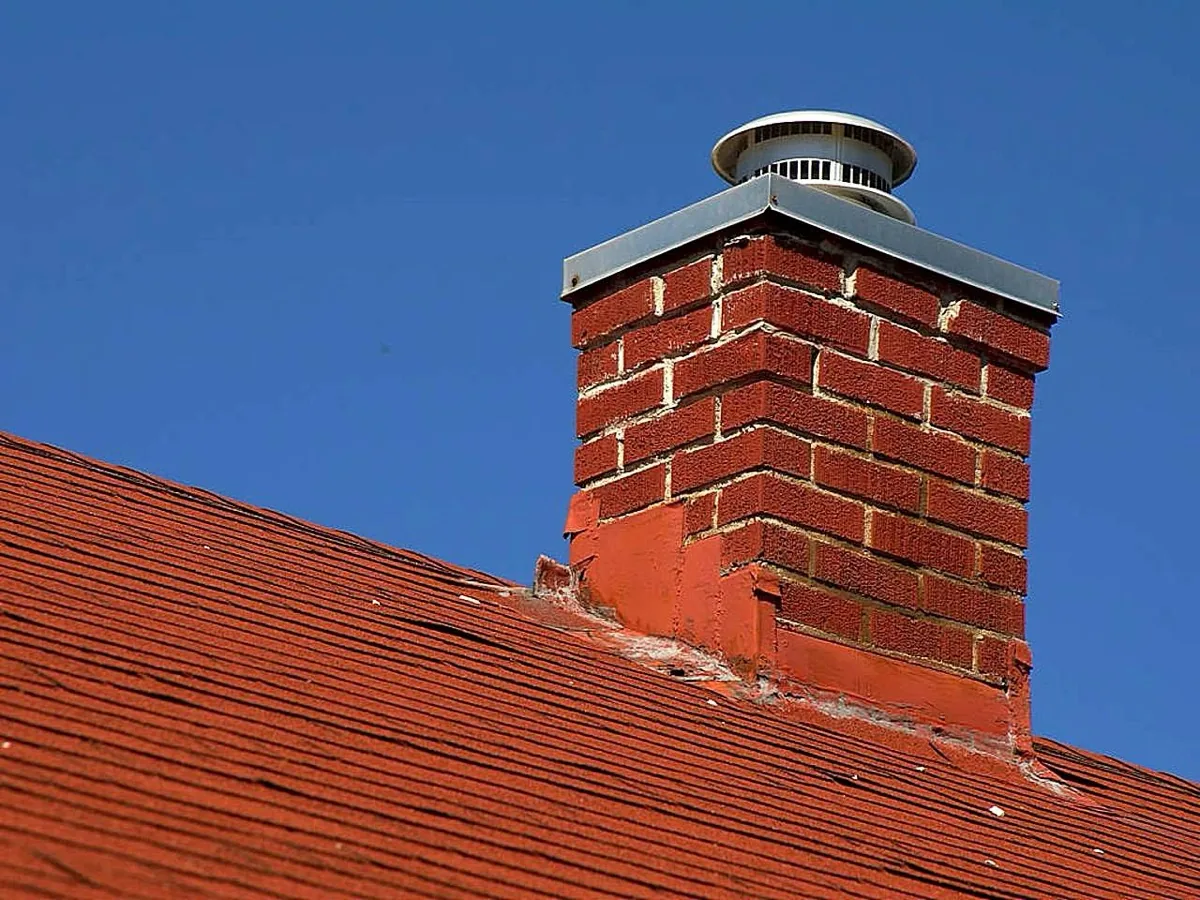
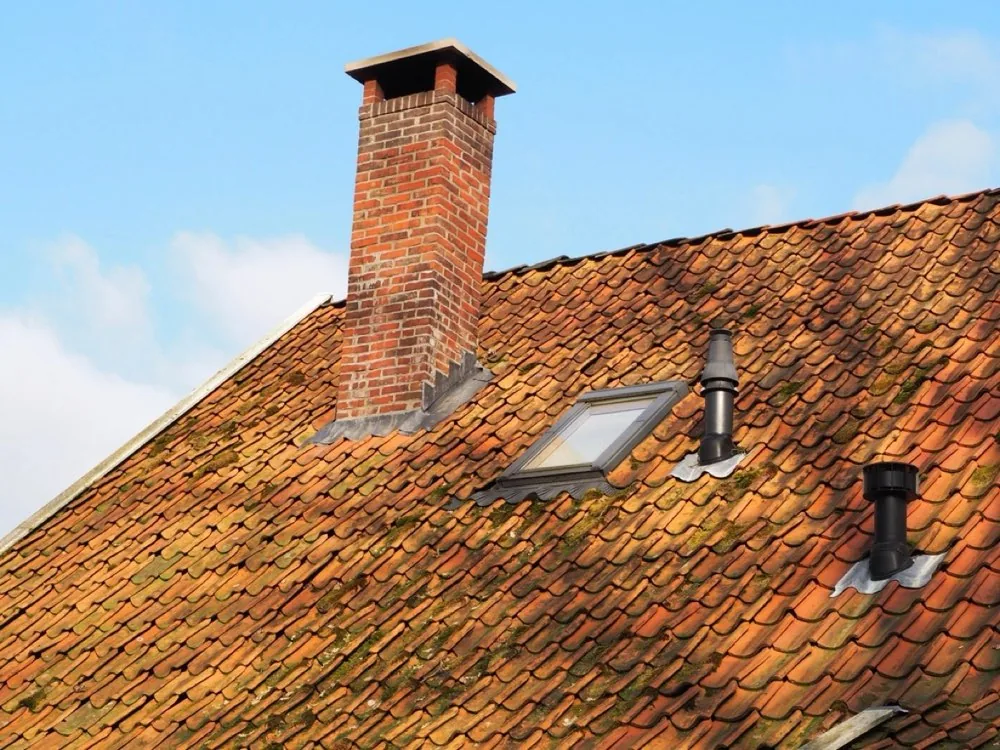
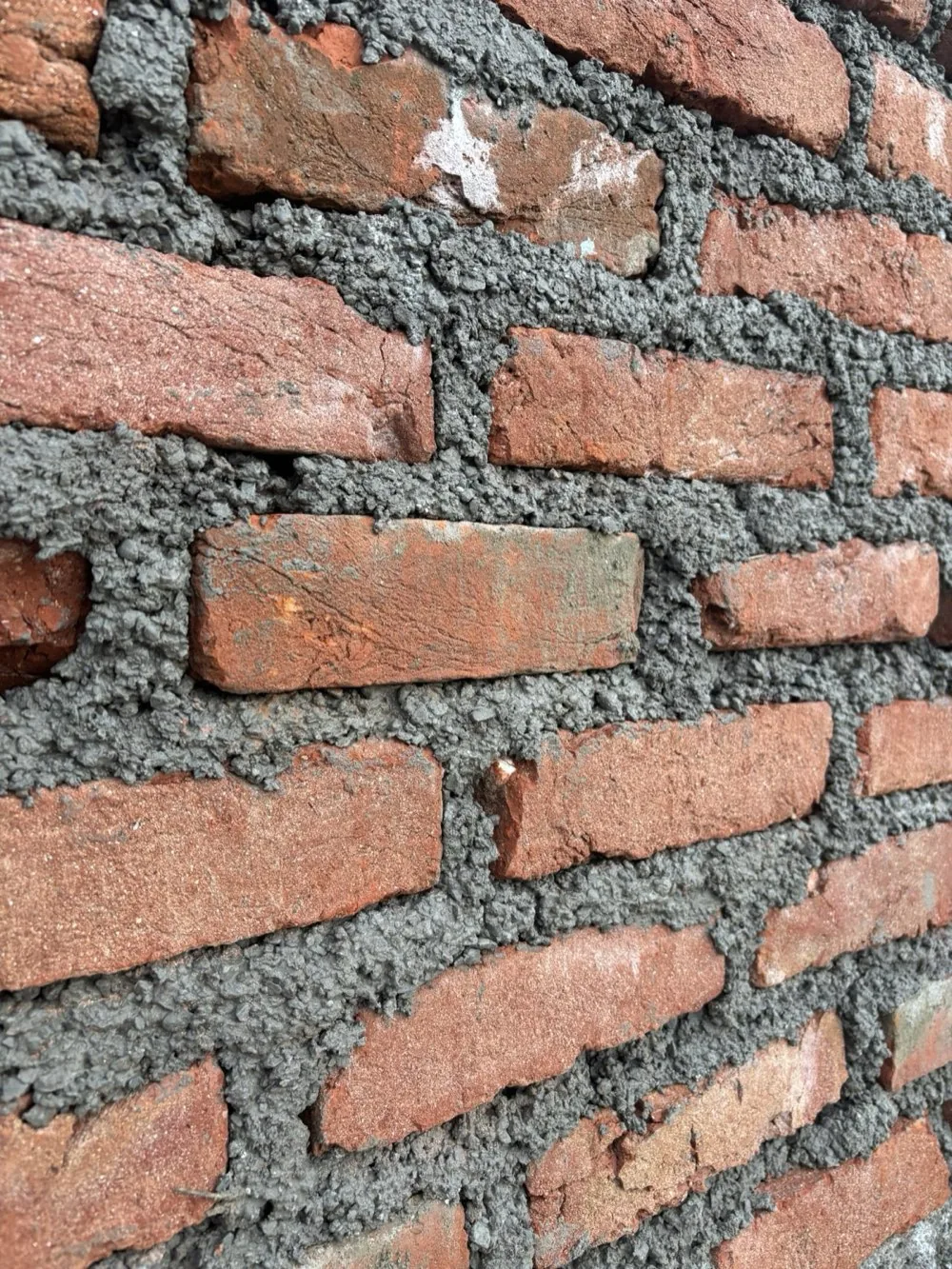
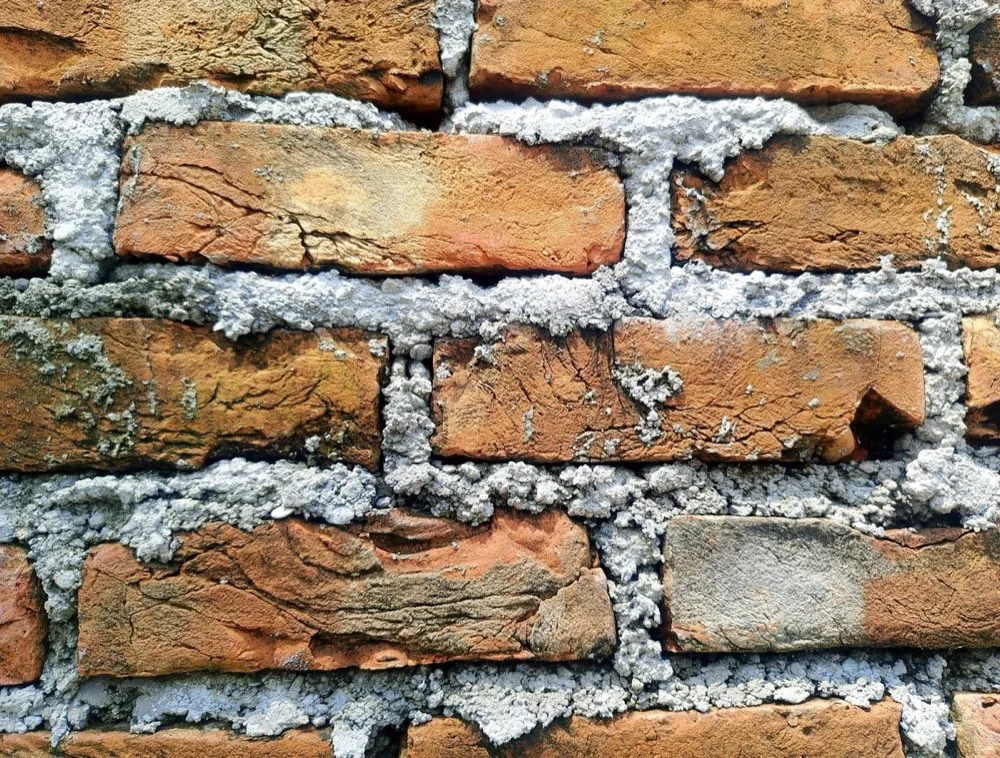
The repair starts by identifying the fireplace system and failed component because masonry, factory-built, wood-burning, and gas units have different limits.
The fireplace type, model information when available, fuel, venting path, and visible construction guide the evaluation.
Smoke, odor, cracked panels, damaged masonry, damper problems, water stains, and ignition symptoms are traced to the affected component.
The proposed material or replacement component is matched to the masonry construction or listed factory-built system instead of selected by appearance alone.
The repaired area and affected operation are checked before the work is treated as complete.
Related decision guides: why a fireplace smokes · chimney draft problems · fireplace repair cost factors
Focused specialties we handle under Fireplace Repair & Service.
Fireplace repair covers the parts you actually use: the firebox where the fire burns, the damper that opens and closes the flue, and the surround and hearth. Cracked firebox panels, a damper that won't open or seal, crumbling refractory mortar, and a worn surround all keep a fireplace from working safely, and a fireplace that doesn't seal also lets conditioned air and moisture move where they shouldn't.
We repair and restore these components so the fireplace works the way it should and is safe to light. We'll tell you plainly what needs doing and what doesn't, and give you an upfront price before we start.
A fireplace that will not operate and a fireplace you want to update need different estimates. Separate the functional repair from optional appearance changes so you can compare the same work.
Ask whether the problem involves masonry joints, individual firebricks, or a factory-made panel. The fireplace type and condition determine which replacement or repair is suitable; a decorative finish does not address damage inside the firebox.
Ask what is preventing normal operation and whether the issue is limited to the damper or involves the flue and venting. A new damper should not be selected solely because smoke entered the room.
Have the brand and model available if you already know them. Diagnosis and compatible part availability affect the scope. Do not dismantle the appliance or repeatedly try to ignite it to demonstrate the fault.
Refacing or restoration is a separate decision from repairing an operating fault. Ask for optional appearance work to be identified separately rather than assuming it is needed to make the fireplace work.
Describe what happened, when you last used the fireplace, and whether it burns wood or gas. Keep any existing manual or service record handy. Photos of accessible, cooled surfaces can help explain the concern, but do not remove panels or light a fire for the request. A photo is not a safety clearance.
Similar symptoms can begin in different components. Identifying the system prevents masonry methods or generic replacement parts from being used where they do not belong.
| System or symptom | Likely area to evaluate | Repair boundary |
|---|---|---|
| Eroded joints or damaged firebrick in a masonry firebox | Firebrick, refractory mortar, hearth, smoke chamber, and surrounding masonry | The repair material must suit fire-facing masonry and the stable material around it |
| Cracked refractory panel in a factory-built fireplace | Manufacturer, model, panel position, and listed replacement availability | Generic brick, mortar, or a visually similar panel may not preserve compatibility |
| Damper will not open, close, or seal | Damper type, linkage, corrosion, obstruction, and connected venting | A throat damper, top-sealing damper, and gas-appliance control are not interchangeable |
| Smoke or odor enters the room | Deposits, obstruction, damper, combustion air, smoke chamber, flue, and termination | The symptom may require cleaning, draft correction, masonry work, or appliance service |
| Gas ignition, flame, soot, or shutdown problem | Model, fuel supply, controls, burner, glass, and approved venting | Compatible components and gas-fireplace diagnosis remain separate from masonry repair |
Tell us what's going on and we'll set a time that works for you.
We come out, find the real cause, and give you honest, upfront pricing, no obligation.
We complete the work cleanly and confirm everything is safe and ready to use.
Already know which part needs attention? Explore the options below. If you are unsure, describe what you see when requesting an assessment so the cause can be checked before a repair is chosen.
Tell us what's going on: a leak, a crack, a failed inspection, or a cleaning. We'll give you honest, upfront pricing.
Takes less than 30 seconds.
Wood-burning masonry fireplaces, factory-built units, and gas fireplaces have different components, repair methods, and replacement limits. Smoke, odor, loose brick, cracked panels, damaged dampers, ignition problems, and water stains can begin in different parts of the system. The fireplace type and failed component should be confirmed before selecting materials or promising repair.
Repair may address damaged firebrick or mortar, cracked refractory panels, smoke-chamber defects, damper problems, water entry, loose surrounds, and serviceable gas-control or ignition components. The available scope depends on whether the fireplace is masonry, factory-built, or gas, and whether compatible replacement parts remain available.
Smoke entry can result from a closed or damaged damper, blocked flue, poor draft, incorrect flue sizing, negative indoor pressure, an oversized opening, or weather conditions. Cleaning may help only when deposits or obstructions are the cause. The venting path and room conditions should be evaluated together.
Often, targeted repair is possible when the main structure or listed appliance remains sound and compatible parts are available. Replacement becomes more likely with widespread heat damage, unavailable factory-built components, severe corrosion, or an unsafe venting design. Inspection should distinguish cosmetic age from functional failure.
Cost depends on fireplace type, failed component, access, material or part availability, heat and moisture damage, chimney involvement, and finish restoration. A mortar joint or damper repair differs from rebuilding a firebox or replacing listed components. The system must be identified before a reliable scope and price are prepared.
Popular areas we serve: Miami · Tampa · Orlando · Jacksonville · Fort Lauderdale · St. Petersburg · Hialeah · Port St. Lucie · Cape Coral · West Palm Beach · Boca Raton · Hollywood · Naples · Sarasota · Clearwater · All service areas
Related chimney & fireplace services: Chimney Brick Replacement & Repair · Chase Cover Replacement · Chimney Caps · Chimney Chase Repair · Chimney Crown Repair · Chimney Damper Repair · Chimney Flashing Repair · Chimney Inspection · Chimney Leak & Flashing Repair · Chimney Liner Replacement · Chimney Rebuild · Chimney Relining for Florida Homes · Chimney Repair · Chimney Sweep & Cleaning · Tuckpointing & Masonry Repair · Chimney Waterproofing · Firebox Repair for Florida Fireplaces · Fireplace Installation · Fireplace Restoration · Gas Fireplace Service · Prefab Chimney Repair · Smoke Chamber Repair
Family-owned Florida team · Same-day service available. No obligation, takes about 30 seconds.
10% OFF