Direct answer
Firebox repair restores the fire-facing chamber where combustion occurs. Masonry fireboxes may need compatible firebrick and refractory-mortar work; factory-built fireplaces use listed refractory panels or assemblies that cannot be replaced with ordinary brick or cement. Crack depth, movement, missing material, heat exposure, and the fireplace listing determine whether repair or replacement is appropriate.
#1 Priority: Repair the Firebox With Compatible Heat-Resistant Materials
Damage inside the firebox may involve firebrick, refractory panels, mortar, or related components, all of which must suit the fireplace type and operating conditions.
Firebox Repair: What the Work Looks Like
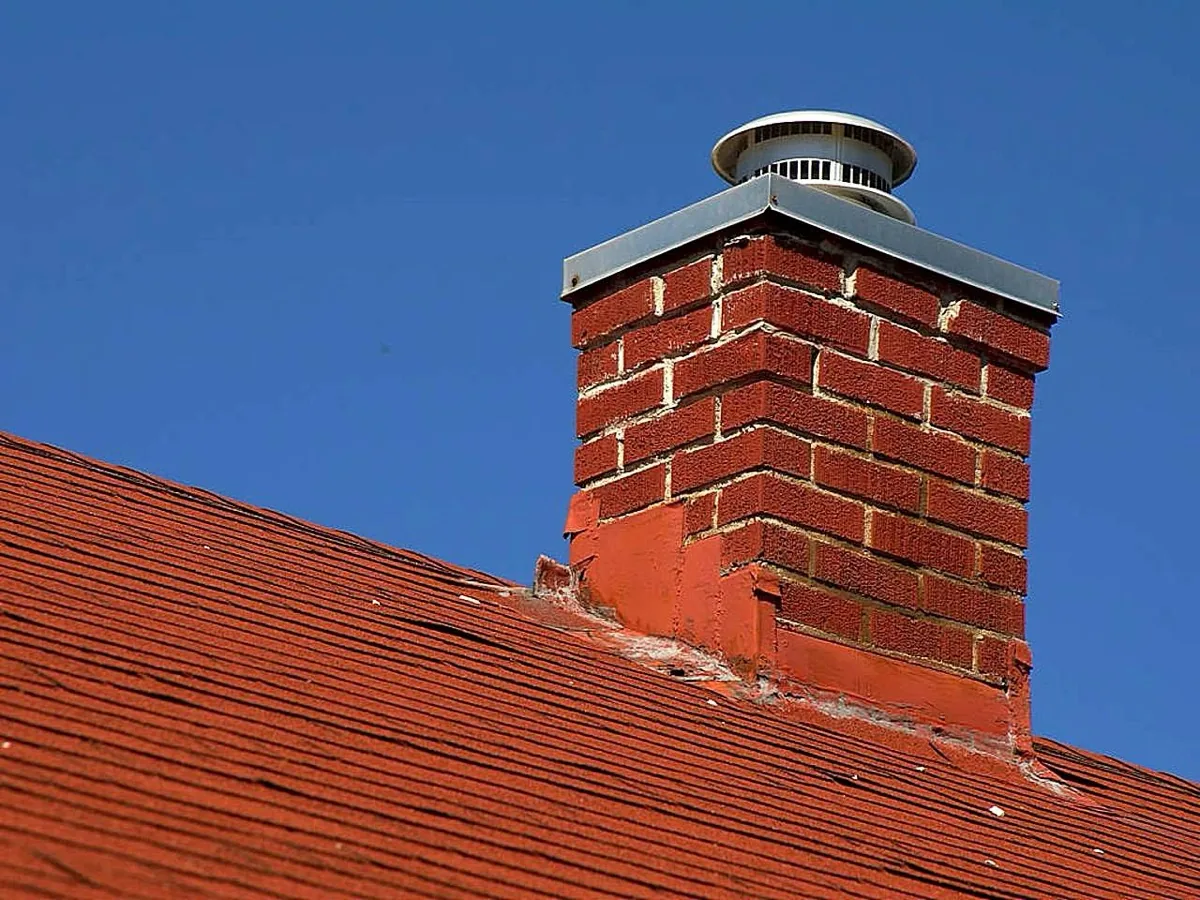
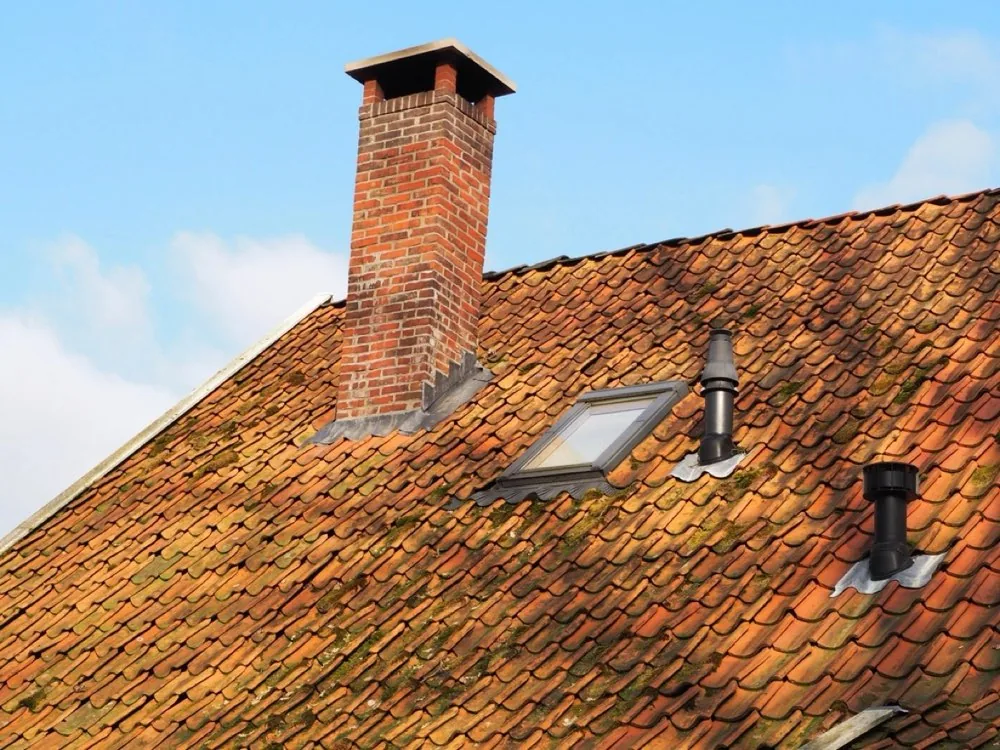
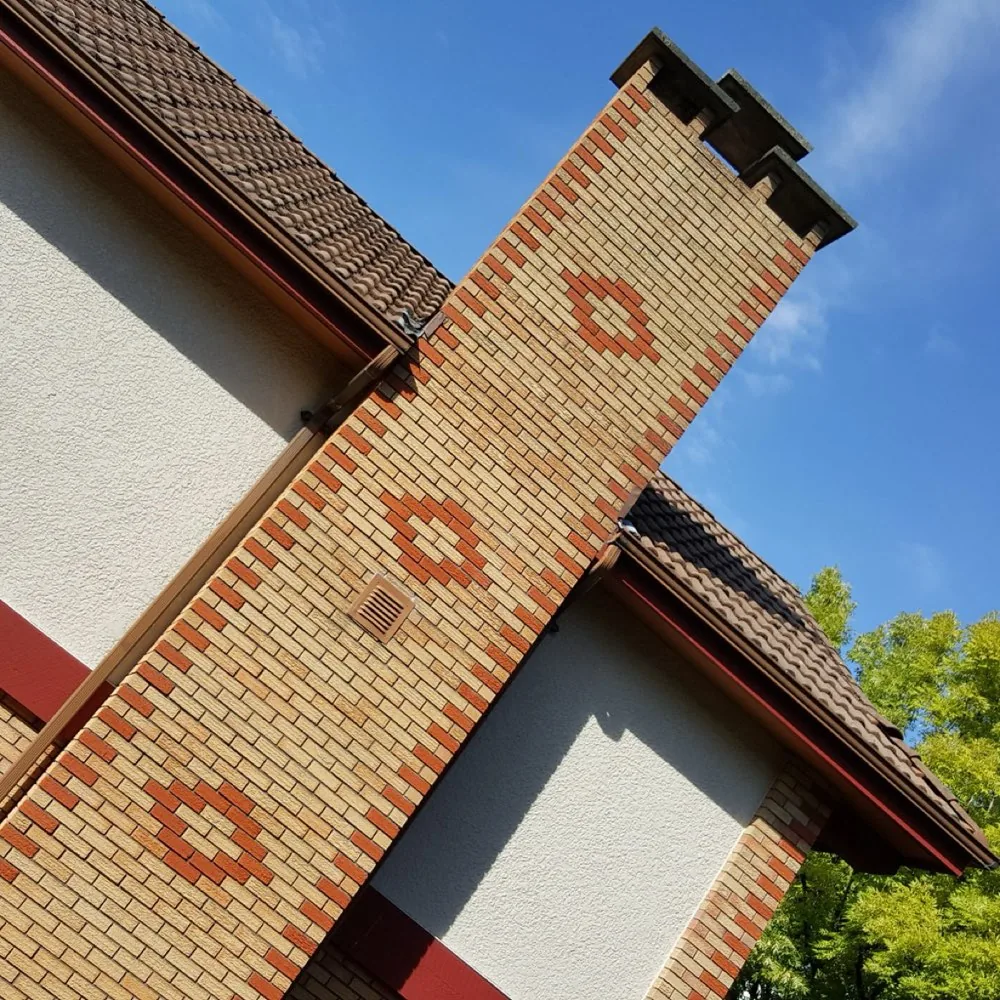
The kind of work we handle across Florida, swipe to see more.
What Our Firebox Repair Service Includes
Full firebox inspection
We open up and examine the entire chamber, every brick face, every mortar line, the floor, and the back wall, to map out exactly what's failed and what's still sound before we quote anything.
Firebrick replacement
Cracked, spalled, or missing firebricks are removed and replaced with new heat-rated firebrick cut to fit, restoring the unbroken surface the chamber needs to contain heat.
Refractory mortar repointing
Washed-out or crumbling joints between firebricks are cleaned out and repacked with refractory mortar rated for direct fire contact, not ordinary masonry mortar that can't take the heat.
Refractory panel repair or replacement
For prefabricated metal fireplaces, we patch hairline cracks in the formed panels or swap out panels that are broken through, matching the panel type your unit was built with.
Firebox floor and hearth-edge repair
We rebuild the brick floor of the firebox and tidy the front edge where it meets the hearth, the spot that takes the most abuse from logs being loaded and ash being raked out.
Joint and gap sealing
Gaps where the firebox meets the surrounding masonry or the damper area are sealed so heat and embers stay inside the chamber where they belong.
Debris and old-material cleanout
Loose brick fragments, failed mortar, and crumbled refractory are cleared out of the firebox and the area below it so the repair sits on a clean, solid base.
Written estimate before work begins
You see an itemized, upfront written estimate covering everything the firebox needs, with no hidden fees, before we start the repair.
Signs You Need Firebox Repair
- You can see cracks running through the firebricks or the back wall of the firebox
- The mortar lines between the bricks have gone soft, gritty, or have washed away, leaving open gaps
- Pieces of brick or chunks of the inner surface have flaked or popped off (spalling)
- In a prefab fireplace, the molded back or side panels are cracked or have a hole burned through them
- You notice a gap opening up between the firebox and the surrounding masonry
- Bits of brick or refractory material keep ending up in the ash when you clean out the firebox
- Joints look open enough that you can see metal or a void behind the firebrick
- The chamber has visibly deteriorated after sitting unused through a humid Florida off-season
The firebox is the part of your fireplace you stare at every time there's a fire going: the brick-lined box that the flames and embers sit inside. Because it absorbs heat directly and then cools again between uses, it's the area that wears out first. In a masonry fireplace that means individual firebricks and the thin mortar lines between them. In a prefabricated metal fireplace it means the formed refractory panels and the steel shell behind them.
Florida adds its own stress to the mix. Long humid stretches keep masonry damp, and a fireplace that sits unused through a muggy summer can hold moisture deep in the brick. The first hot fires of the cooler season then drive that moisture out fast, and the rapid swing between damp-and-cool and bone-dry-and-hot is what pops corners off firebrick and crumbles old mortar. Homes near the coast get the added bite of salt air, which is hard on the metal components inside prefab units.
We focus firebox visits on exactly that: finding what's cracked, washed out, or burned through, and rebuilding it with the right heat-rated materials so the chamber can do its one job again, hold the fire safely. You get a clear written estimate before any work begins, with no hidden fees.
Masonry Firebox Repair or Factory-Built Panel Replacement?
The materials may look similar, but the repair rules are different. The fireplace type must be identified before damaged surfaces are removed.
| Finding | Likely scope | Critical limit |
|---|---|---|
| Eroded joints between sound firebrick | Repoint with compatible refractory mortar | Ordinary mortar or surface caulk is not a firebox repair |
| Cracked, loose, or deeply spalled firebrick | Targeted brick replacement or firebox rebuilding | The surrounding wall and required thickness must remain sound |
| Cracked refractory panel in a factory-built fireplace | Listed compatible panel or assembly evaluation | Generic masonry cannot replace a manufacturer-required component |
| Gap exposing surrounding material | Stop use until the assembly is evaluated | Heat and combustion products must remain contained |
| Repeated cracking with movement | Find the movement or support issue before patching | A cosmetic fill will fail again if the assembly is shifting |
How It Works
Call or Request a Quote
Tell us what's going on and we'll set a time that works for you.
Free On-Site Assessment
We come out, find the real cause, and give you honest, upfront pricing, no obligation.
Done Right, Fast
We complete the work cleanly and confirm everything is safe and ready to use.