Pilot and ignition problems
Pilot assemblies, igniters, thermocouples, thermopiles, switches, and control modules are tested rather than replaced by symptom alone.
A Florida gas fireplace service company for pilot, ignition, burner, insert, and venting problems, plus routine maintenance. Request a free estimate.
No trip charge and no hidden fees. You get a clear price before any work starts.
Urgent leak or a failed inspection? We can often get to you the same day.
A local team that treats your home like our own and stands behind the work.
Direct answer
If you smell gas, leave immediately and call 911 and your gas utility or propane supplier from a safe location outside. Otherwise, gas fireplace service checks the model-specific controls, ignition, burner, fuel supply, and venting. A pilot failure, no-start condition, or repeated shutdown needs diagnosis, not repeated relighting or parts replaced by guesswork.
A pilot that goes out needs different checks from a burner that will not start. We identify the system, test the cause, and explain the repair before parts are replaced.
Tell us whether the pilot goes out, the burner will not start, or the fireplace shuts down during use. Those symptoms lead to different checks; the make, model, and fuel type help identify the right service and compatible parts.
Pilot assemblies, igniters, thermocouples, thermopiles, switches, and control modules are tested rather than replaced by symptom alone.
Soot, delayed ignition, unusual flame patterns, and shutdowns require fuel and combustion checks before parts are selected.
Replacement parts must match the manufacturer and model; decorative media cannot be rearranged contrary to the appliance instructions.
Direct-vent, B-vent, masonry-vented, and vent-free units have different inspection and service boundaries.
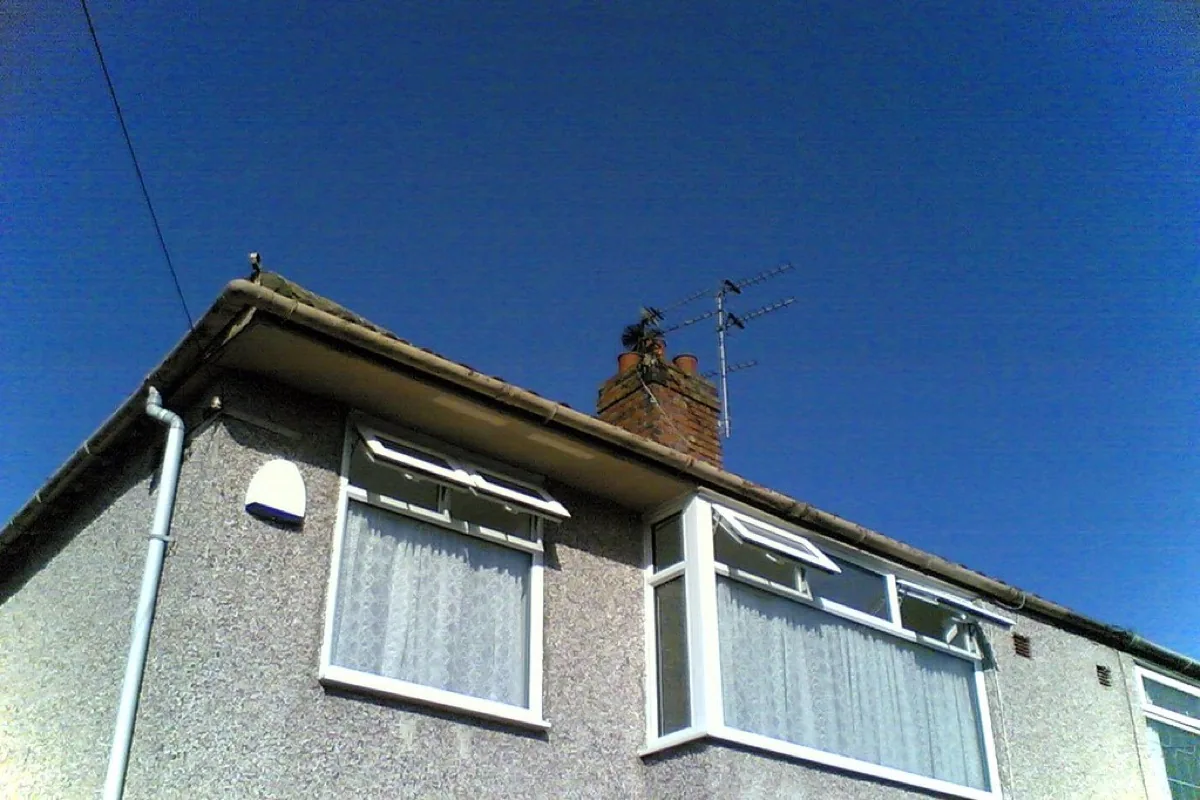
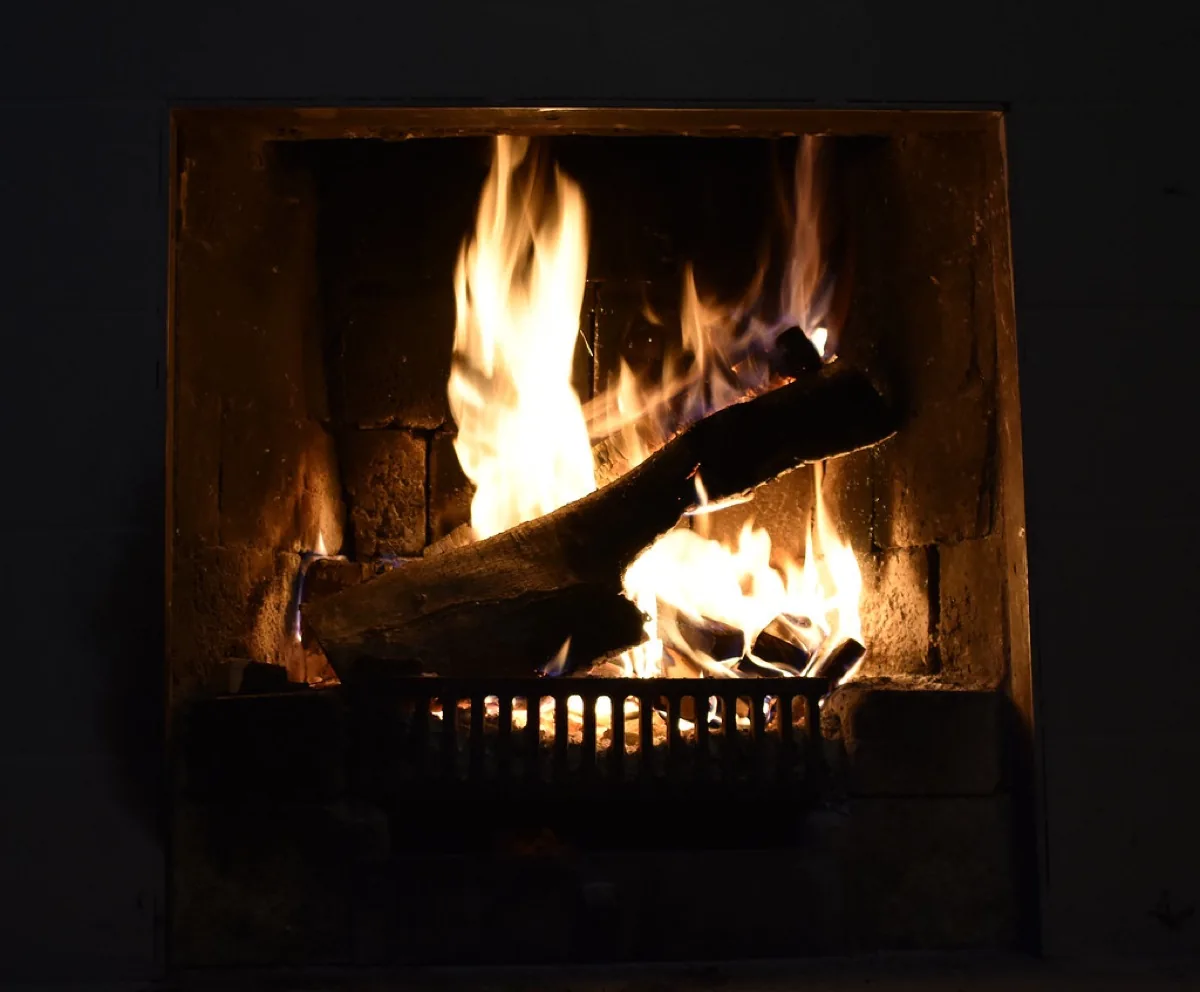
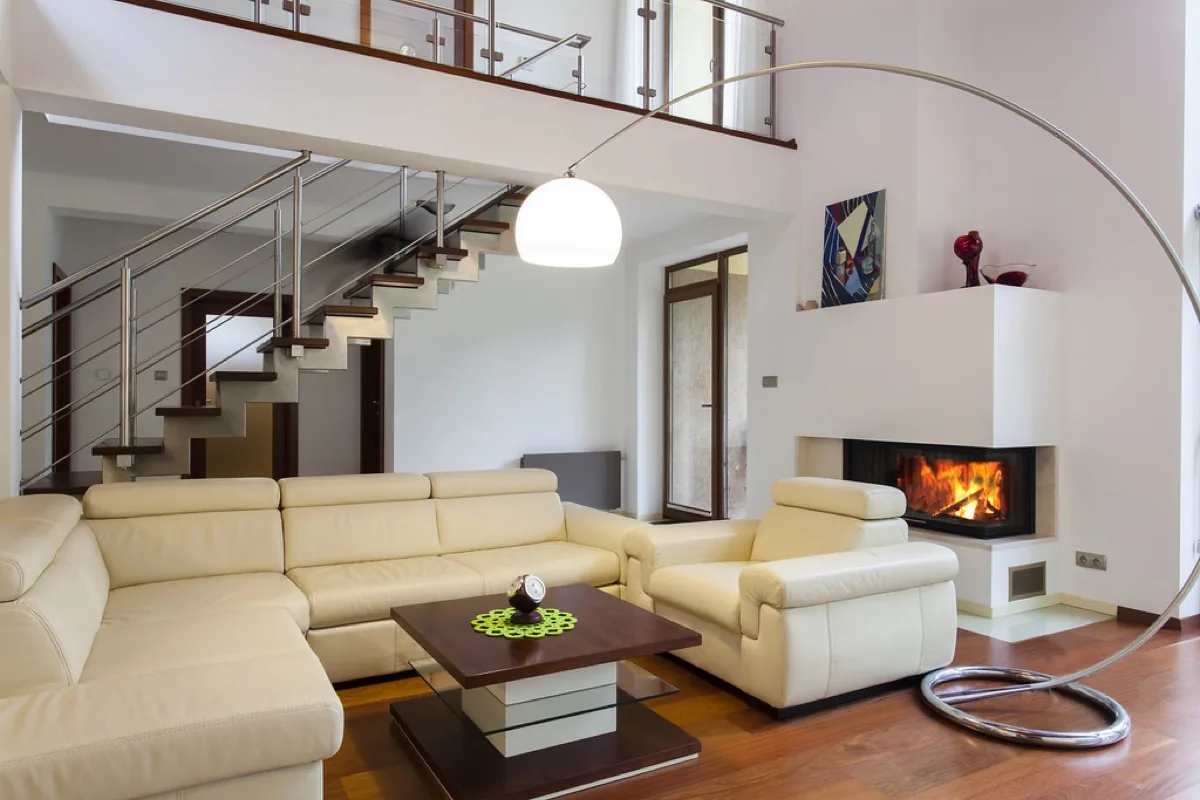
Reference images of fireplace styles, not before-and-after records of gas repairs.

Pilot lights that won't stay lit and ignitors that won't spark diagnosed and fixed.
Uneven, weak, or sooty burner flames cleaned up and corrected.
We check that the unit lights, runs, and shuts off the way it's designed to.
Gas work handled carefully and correctly, with safety as the priority.
Gas fireplaces are popular in Florida because they're clean, convenient, and easy to use, but they still need service. Pilot lights that won't stay lit, ignitors that won't spark, burners that flame unevenly, and units that won't turn on are all common, and because it's gas, they should be handled carefully and correctly.
We service and repair gas fireplaces and inserts so they light reliably and run the way they should. If something isn't working, we'll diagnose the real cause, explain it, and give you an upfront price before any work begins.
If you smell gas, hear a suspected gas leak, or a carbon monoxide alarm sounds, get everyone outside immediately. Do not try to relight the fireplace, find the leak, or operate electrical switches or a phone inside. From a safe location away from the building, call 911 and your gas utility or propane supplier. Stay out until emergency personnel say it is safe to return.
A booking form is not an emergency response service. See Peoples Gas guidance for a suspected gas leak.
The same symptom can have several causes. A qualified technician follows the appliance instructions and tests the system before recommending a sensor, valve, or control module. These are diagnostic distinctions, not instructions to open the gas assembly or bypass a safety device.
On a standing-pilot model, the pilot flame, safety-sensor circuit, connections, fuel pressure, and venting may need evaluation. A thermocouple is one possible cause, not a diagnosis. Electronic-ignition models use a different sequence and may not keep a pilot lit between uses.
This differs from a pilot that goes out. Depending on the model, the technician checks the switch or remote, wiring, thermopile output, valve, or electronic controls. Replacing the pilot sensor without testing can leave the actual problem unresolved.
Power, ignition, flame sensing, fuel supply, and the venting system can affect startup. Report any error code and when the failure occurs. Stop repeated ignition attempts; any owner-level restart must follow the exact model instructions and their stopping conditions.
Yellow decorative burner flames can be normal on some fireplaces; color alone does not establish a fault or prove safe combustion. New soot, delayed ignition, or a flame pattern unlike the manual needs service. Keep the fireplace off until the cause is assessed.
Gas logs, burner media, glass, and venting parts must match the appliance requirements. Do not reposition logs, adjust gas pressure, or run a sealed-glass fireplace with the glass removed as a troubleshooting test. The manufacturer's model-specific manual is the reference for operation and service; for example, Heat & Glo's Cerona manual describes yellowing burner flames as normal for that model.
You do not need to know which part has failed. If there is no emergency and the fireplace is off and cool, gather the details you can see safely:
We use those details to plan diagnosis and check model-specific parts availability. The findings determine whether cleaning, adjustment, a compatible component replacement, or a larger repair is appropriate. A photo alone cannot certify a gas fireplace as safe to use.
Tell us what's going on and we'll set a time that works for you.
We come out, find the real cause, and give you honest, upfront pricing, no obligation.
We complete the work cleanly and confirm everything is safe and ready to use.
Already know which part needs attention? Explore the options below. If you are unsure, describe what you see when requesting an assessment so the cause can be checked before a repair is chosen.
Tell us what's going on: a leak, a crack, a failed inspection, or a cleaning. We'll give you honest, upfront pricing.
Takes less than 30 seconds.
Gas fireplace service begins by identifying the appliance model, fuel, ignition type, venting configuration, and observed symptom. Pilot, thermocouple, thermopile, igniter, valve, switch, power, burner, and venting issues can look similar. Testing and parts compatibility determine whether cleaning, adjustment, repair, or manufacturer-specific replacement is appropriate.
Possible causes include a closed fuel supply, depleted batteries, lost power, pilot or ignition failure, dirty components, control-switch problems, a failed sensor, or a safety lockout. Resetting parts without diagnosis can hide the symptom. The model, ignition sequence, fuel, controls, and venting should be checked systematically.
A weak or dirty pilot flame, thermocouple or thermopile problem, draft condition, gas-pressure issue, loose connection, or control fault can interrupt the safety circuit. The pilot assembly should be inspected and tested for the specific model rather than replacing parts based only on the visible flame.
No. Gas fireplaces are listed systems that require compatible components, controls, logs, glass, and venting parts. A part that appears similar may have different ratings or operating characteristics. The model and serial information should be confirmed, and replacement parts should match manufacturer requirements and the installed fuel type.
Cost depends on appliance model, ignition system, diagnostic time, failed component, parts availability, access, fuel type, venting condition, and whether cleaning or adjustment resolves the issue. A battery or sensor problem differs from a valve or proprietary control replacement. Model identification is needed before accurate pricing.
Popular areas we serve: Miami · Tampa · Orlando · Jacksonville · Fort Lauderdale · St. Petersburg · Hialeah · Port St. Lucie · Cape Coral · West Palm Beach · Boca Raton · Hollywood · Naples · Sarasota · Clearwater · All service areas
Related chimney & fireplace services: Chimney Brick Replacement & Repair · Chase Cover Replacement · Chimney Caps · Chimney Chase Repair · Chimney Crown Repair · Chimney Damper Repair · Chimney Flashing Repair · Chimney Inspection · Chimney Leak & Flashing Repair · Chimney Liner Replacement · Chimney Rebuild · Chimney Relining for Florida Homes · Chimney Repair · Chimney Sweep & Cleaning · Tuckpointing & Masonry Repair · Chimney Waterproofing · Firebox Repair for Florida Fireplaces · Fireplace Installation · Fireplace Repair & Service · Fireplace Restoration · Prefab Chimney Repair · Smoke Chamber Repair
Family-owned Florida team · Same-day service available. No obligation, takes about 30 seconds.
10% OFF