Roof-to-chimney flashing
If the metal joint is the source, ask whether the work is a localized correction or replacement of the assembly. Roof covering, access and the condition of the existing metal affect the scope.
We diagnose chimney leaks at the flashing, cap, crown, masonry, or condensation source, then recommend the repair that addresses the actual entry point.
No trip charge and no hidden fees. You get a clear price before any work starts.
Urgent leak or a failed inspection? We can often get to you the same day.
A local team that treats your home like our own and stands behind the work.
Direct answer
A chimney leak can begin at failed roof flashing, a cracked crown, a missing cap, porous masonry, a rusted chase cover, or condensation inside the flue. The stain often appears away from the entry point, so effective repair starts by tracing when and where water appears, then fixing the source instead of coating the visible symptom.
Water can enter around several different components, so we investigate the likely path before recommending flashing, crown, cap, masonry, or waterproofing work.
The kind of work we handle across Florida, swipe to see more.
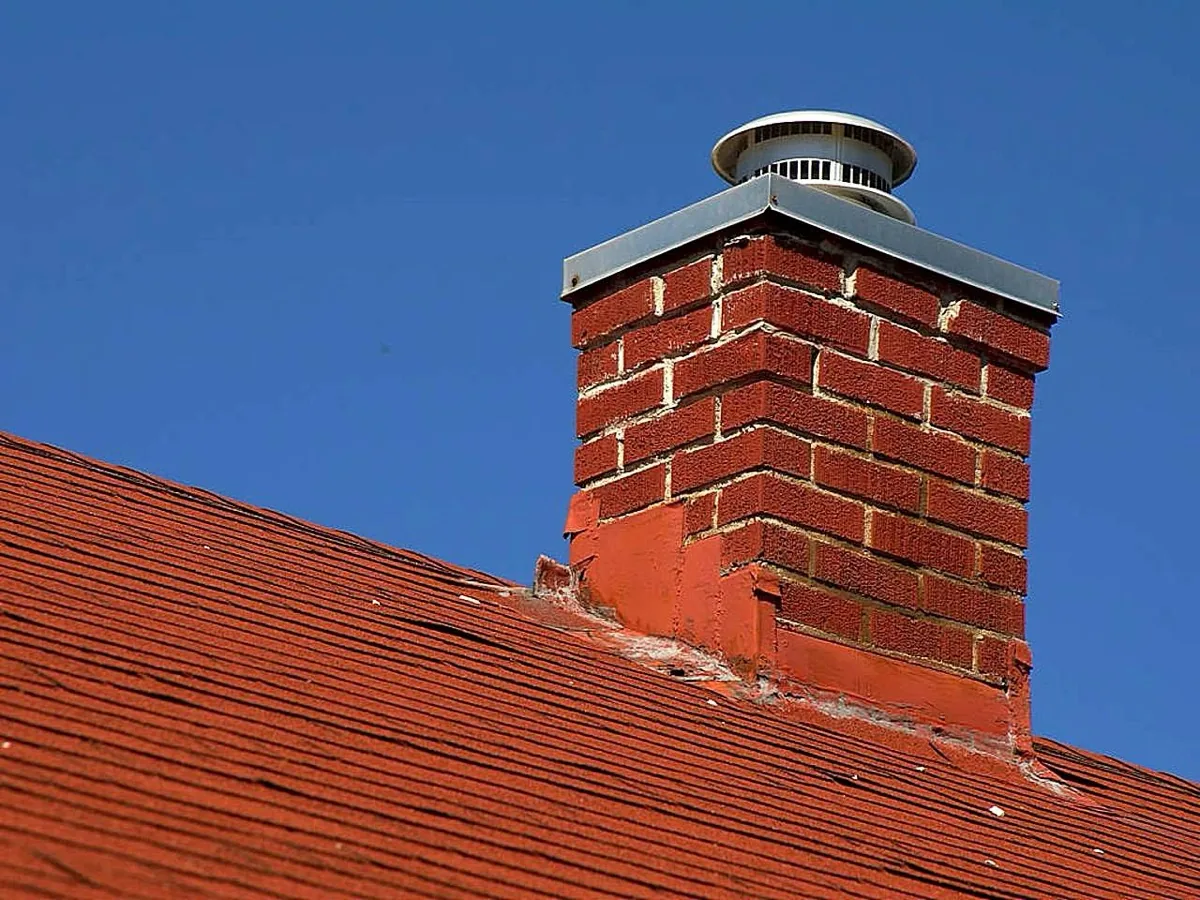
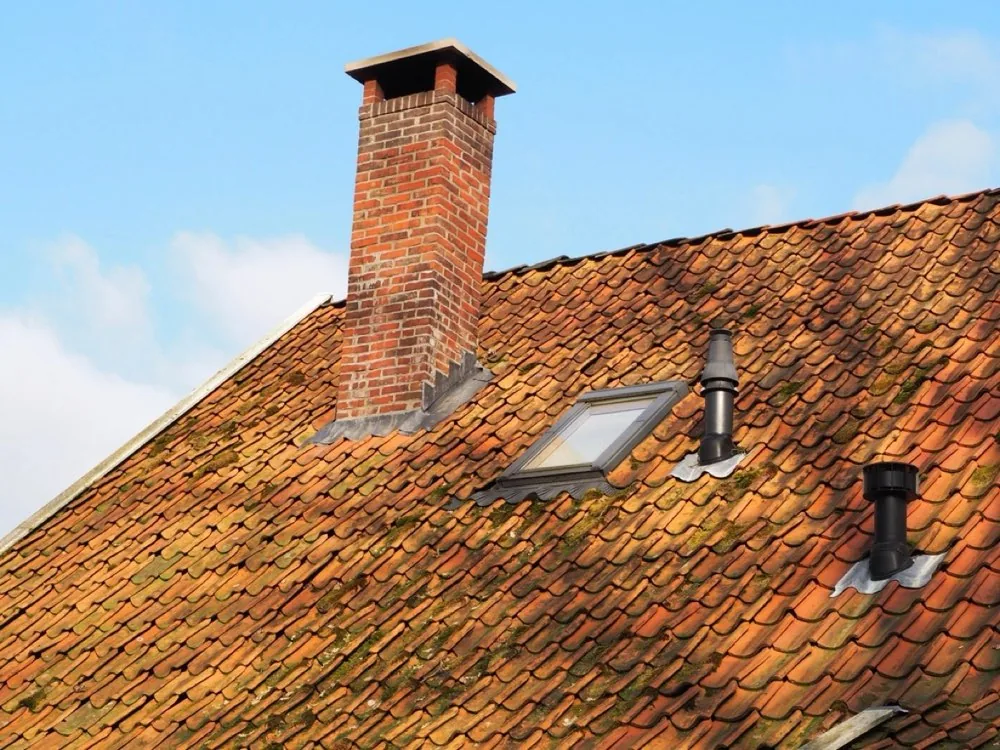
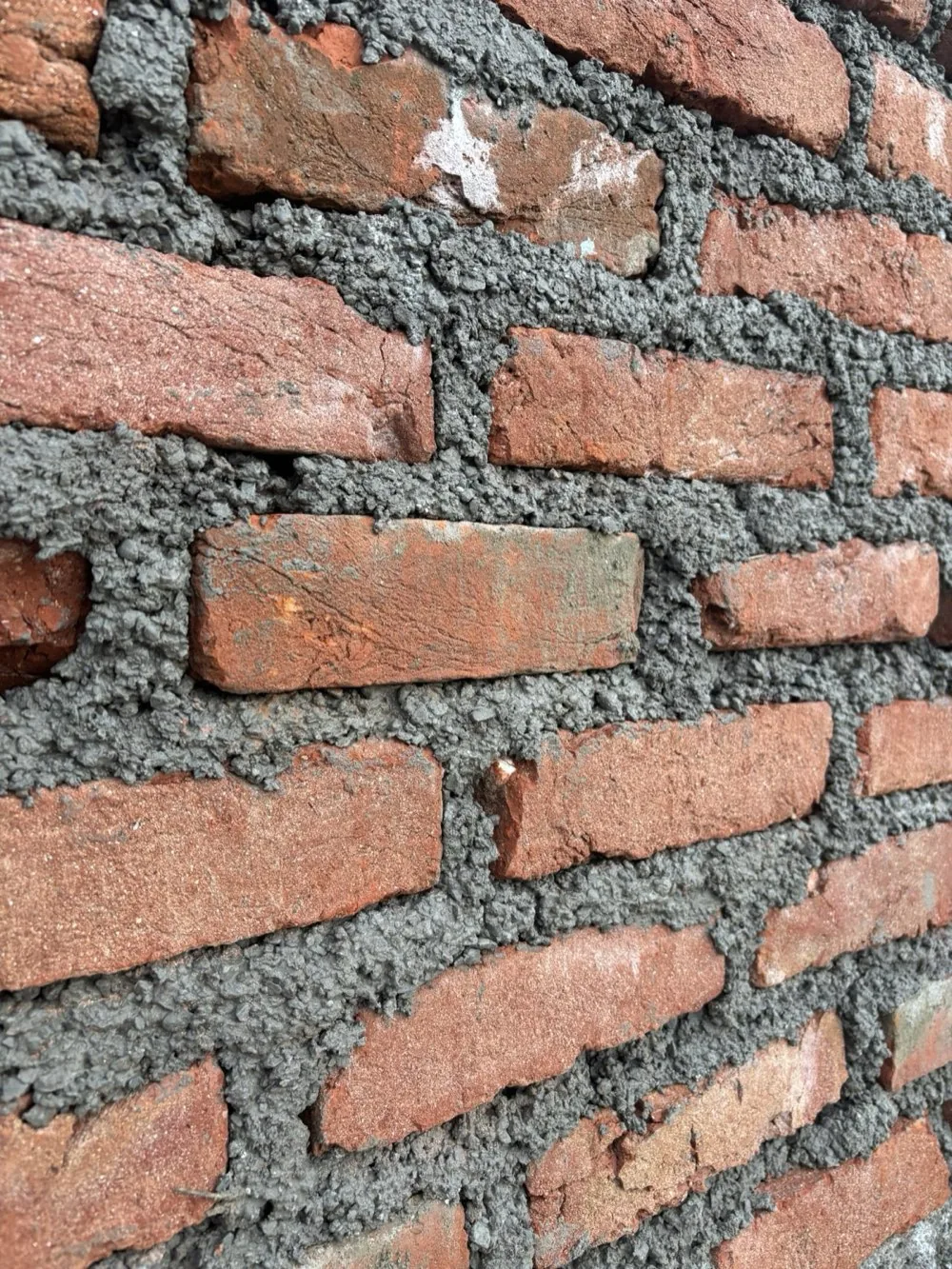
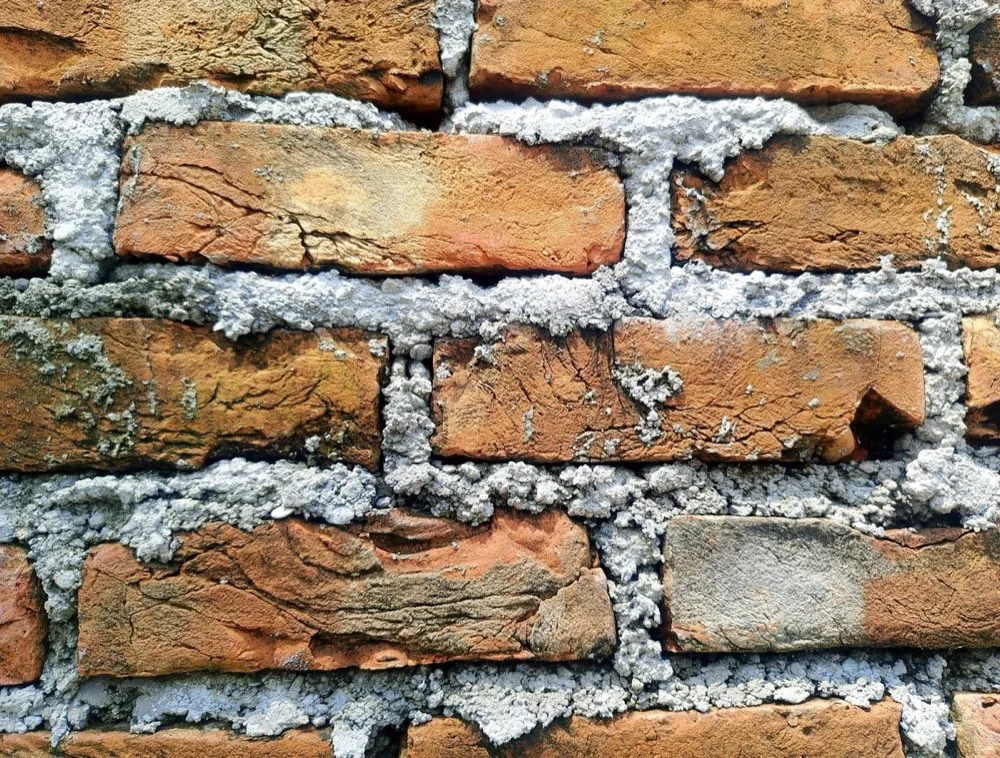
Leak work starts by tracing the entry path because the indoor stain may be separated from the exterior failure that caused it.
Rain timing, stain location, roof conditions, and the chimney type are used to narrow where water may be entering.
Flashing, crown, cap, chase cover, mortar, and masonry are considered separately instead of treating every stain as one type of leak.
The recommended work addresses the identified entry point rather than coating or resealing only the visible indoor symptom.
The proposed leak-repair scope and price are presented before repair work begins, with no obligation.
Related decision guides: why chimneys leak during rain · how chimney flashing works · water in a fireplace after rain
Focused specialties we handle under Chimney Leak Repair.
A leaking chimney almost never leaks where you see the stain. Water gets in at the flashing where the chimney meets the roof, through a cracked crown, around a missing or damaged cap, or through porous brick and failing mortar, then travels before it shows up on your ceiling. Florida's heavy rain and humidity make these leaks especially common and especially quick to cause damage.
We trace the leak to its actual entry point and seal it properly: re-flashing, crown and cap work, or masonry sealing as needed, so the water stops for good. Then we address whatever the water already damaged. Catching a leak early is far cheaper than repairing the rot, staining, and masonry damage it causes later.
Compare leak estimates by the identified entry point, not by the size of the indoor stain. More than one component may need attention, but the proposed work should explain the reason for each repair.
If the metal joint is the source, ask whether the work is a localized correction or replacement of the assembly. Roof covering, access and the condition of the existing metal affect the scope.
The rain cap over the flue and the crown over the masonry are different components. Ask which is damaged and whether the estimate covers a repair, replacement, or both.
Ask whether water is entering through damaged masonry and what repairs are needed before any water-repellent treatment is considered. A surface treatment is not a substitute for identifying failed joints or damaged bricks.
For a framed chimney chase, distinguish a failed metal cover from damage to siding or framing below it. Replacing the cover and repairing the enclosure are different scopes that should be identified separately.
Note whether water appears during rain, after rain stops, or when the fireplace is unused. Describe the location and any recent roof or chimney work. Keep existing photos of indoor staining and safe ground-level views available. Do not climb onto the roof, open walls, or hose the chimney to reproduce the leak.
A symptom can narrow the inspection, but it cannot confirm the source from inside the room. Water often travels along framing or behind the liner before it becomes visible.
| What you notice | Likely area to check | What the visit should verify |
|---|---|---|
| Water starts during hard, wind-driven rain | Step flashing, counter-flashing, uphill cricket | Open laps, lifted metal, failed masonry joints, and the roof-to-chimney transition |
| Water drops directly into the firebox | Rain cap, crown, or open flue top | Cap fit, crown cracks, liner termination, and whether runoff is entering from above |
| A stain appears hours after rain stops | Absorbent masonry or a slow crown path | Open mortar joints, spalled brick, crown condition, and moisture movement through the wall |
| Rust or a musty smell appears around a prefab fireplace | Chase cover, storm collar, or chase seams | Ponding, perforated metal, failed pipe seals, and hidden wet sheathing or framing |
| Dampness appears without rain or after appliance use | Condensation or another indoor source | Flue sizing and lining, appliance venting, attic conditions, and non-chimney sources |
Safety note: do not climb onto a wet roof or run an uncontrolled hose test. A staged exterior inspection should be done safely and one area at a time.
Tell us what's going on and we'll set a time that works for you.
We come out, find the real cause, and give you honest, upfront pricing, no obligation.
We complete the work cleanly and confirm everything is safe and ready to use.
Explore focused local guidance for this service in the areas below, or view every location we serve.
Tell us what's going on: a leak, a crack, a failed inspection, or a cleaning. We'll give you honest, upfront pricing.
Takes less than 30 seconds.
Chimney leak repair is a diagnosis-first service. Flashing, crowns, caps, chase covers, mortar, and masonry can create similar indoor stains even though each requires different work. Rain timing, stain location, roof conditions, and the chimney type narrow the cause; the repair should then address that entry point rather than cover the visible symptom.
A leak that appears only in hard or wind-driven rain often involves an exposed joint, loose cap, crown crack, or flashing failure on one side of the chimney. Rain timing and stain location provide clues, but water can travel before it becomes visible, so the entry point still needs to be tested.
Water near the chimney base may suggest flashing, while water entering the firebox can come through an open flue, damaged cap, or cracked crown. Damp masonry may absorb and release water more slowly. These patterns narrow the possibilities, but inspection of the full roofline and chimney top confirms the source.
Often, yes. Many leaks can be corrected by repairing flashing, replacing a failed cap or chase cover, restoring the crown, repointing open joints, or treating sound masonry after defects are fixed. Rebuilding is considered when the masonry or supporting structure is too deteriorated for a localized repair to last.
Waterproofing helps only when sound masonry is absorbing rain. It will not repair failed flashing, an open flue, a cracked crown, missing mortar, or a rusted chase cover. The leak source should be corrected first. If a water repellent is appropriate afterward, it should allow moisture vapor to escape.
Popular areas we serve: Miami · Tampa · Orlando · Jacksonville · Fort Lauderdale · St. Petersburg · Hialeah · Port St. Lucie · Cape Coral · West Palm Beach · Boca Raton · Hollywood · Naples · Sarasota · Clearwater · All service areas
Related chimney & fireplace services: Chimney Brick Replacement & Repair · Chase Cover Replacement · Chimney Caps · Chimney Chase Repair · Chimney Crown Repair · Chimney Damper Repair · Chimney Flashing Repair · Chimney Inspection · Chimney Liner Replacement · Chimney Rebuild · Chimney Relining for Florida Homes · Chimney Repair · Chimney Sweep & Cleaning · Tuckpointing & Masonry Repair · Chimney Waterproofing · Firebox Repair for Florida Fireplaces · Fireplace Installation · Fireplace Repair & Service · Fireplace Restoration · Gas Fireplace Service · Prefab Chimney Repair · Smoke Chamber Repair
Family-owned Florida team · Same-day service available. No obligation, takes about 30 seconds.
10% OFF