Targeted chimney repair
Caps, crowns, flashing, mortar, brick, liners, and fireboxes are inspected as separate components before work is grouped into one repair.
Local chimney repair contractors for cracked crowns, damaged masonry, flashing, liners, leaks, and rebuilds. We find the cause and provide a free on-site estimate.
No trip charge and no hidden fees. You get a clear price before any work starts.
Urgent leak or a failed inspection? We can often get to you the same day.
A local team that treats your home like our own and stands behind the work.
Direct answer
Chimney repair starts by matching the symptom to the failed component. Water stains usually point to the crown, cap, flashing, or masonry; loose brick and missing mortar require masonry work; smoke or heat damage can involve the liner or firebox. A proper inspection separates a targeted repair from damage extensive enough to require rebuilding.
We evaluate the chimney as a connected system, then define the repair scope when damage extends beyond one clearly identified cap, crown, liner, or masonry component.
A leaking chimney, loose brick, and a damaged flue need different repairs. An inspection separates the failed parts from the sound structure so your estimate explains what needs work, what can stay, and why.
Caps, crowns, flashing, mortar, brick, liners, and fireboxes are inspected as separate components before work is grouped into one repair.
Rebuilding is reserved for unstable or widespread failure that cannot be corrected with sound localized repairs.
Obstructions are located first; cleaning, removal, cap work, and damage repair are then separated into the work actually needed.
Send your service address, chimney type if known, and a description of the problem. We confirm access requirements and appointment availability for your part of Florida before scheduling.
The kind of work we handle across Florida, swipe to see more.
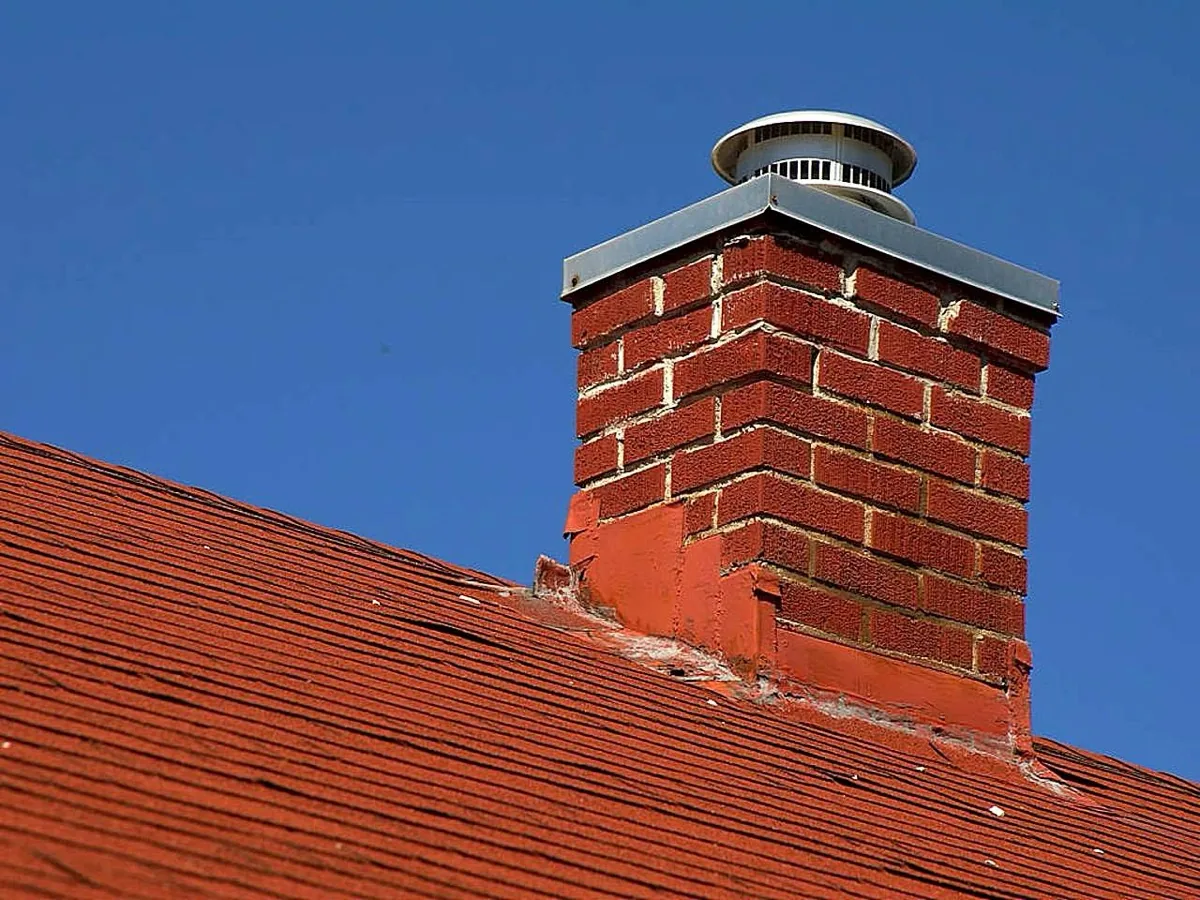
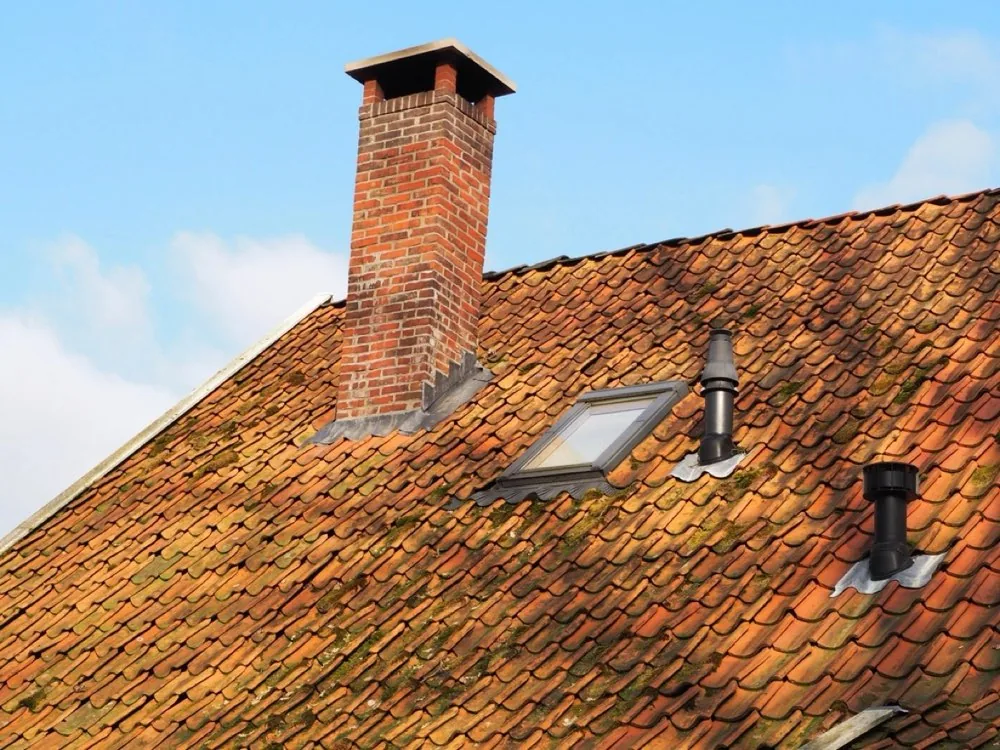
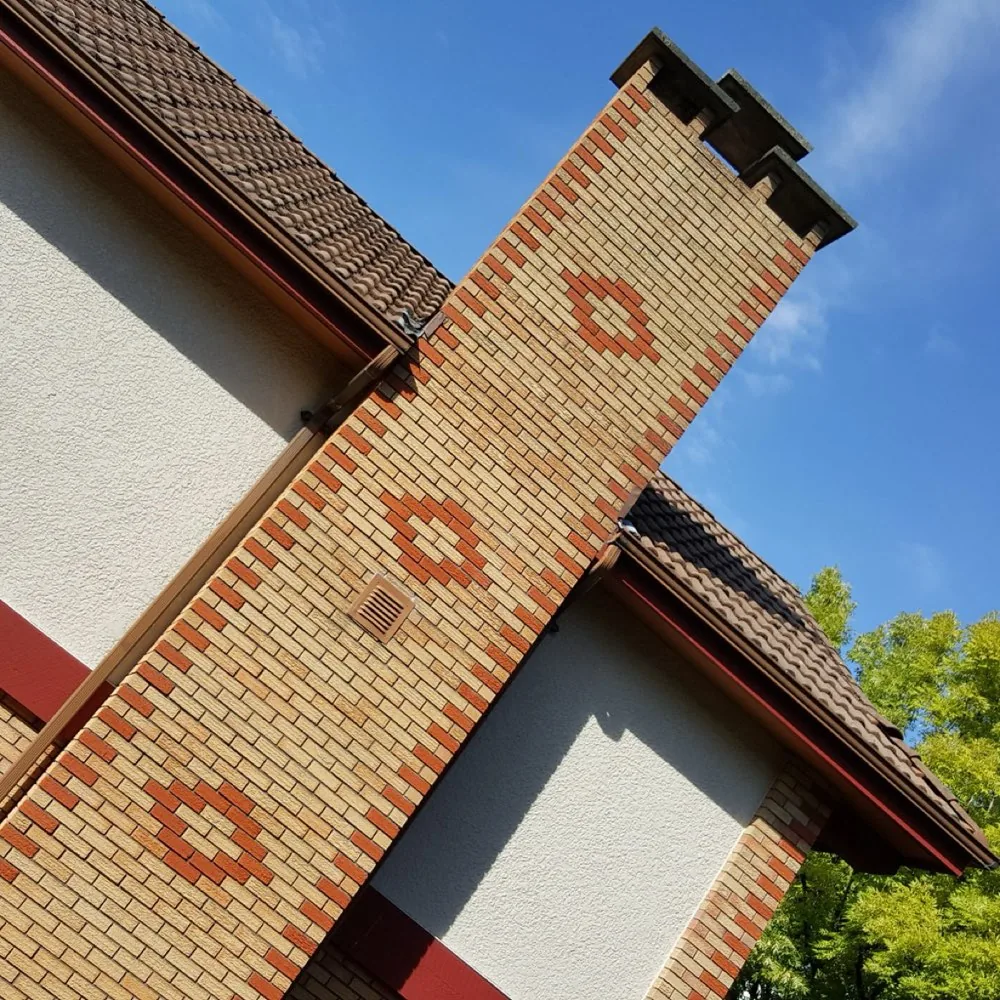
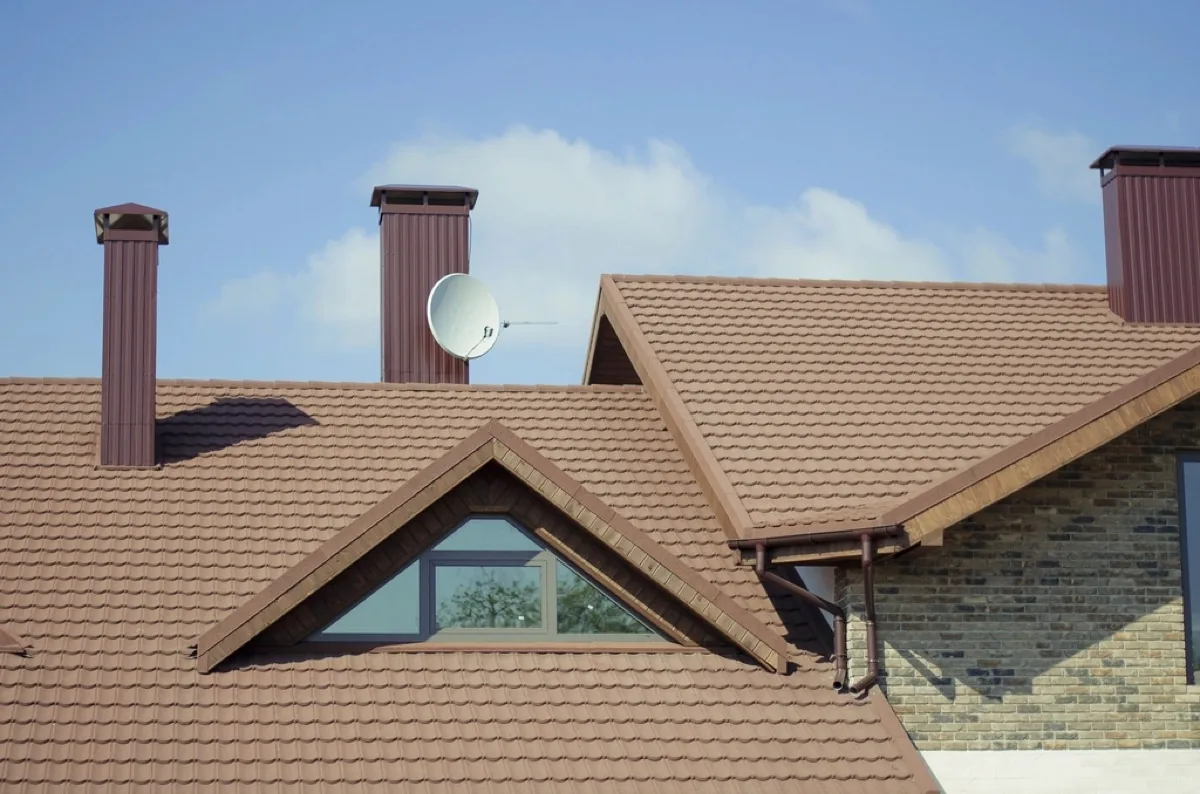
The visit is organized around the failed component and the smallest durable repair scope supported by the findings.
The symptom is traced to the cap, crown, flashing, masonry, liner, firebox, or another connected component before work is recommended.
The findings distinguish a focused component repair from damage that may require a partial or full rebuild.
The proposed work and price are presented before repair work begins, with no obligation to approve a larger scope.
Completed work is checked for a solid result before the chimney is returned to the homeowner.
Related decision guides: signs a chimney needs repair · spalling chimney brick · leaning or cracked chimneys
Focused specialties we handle under Chimney Repair.
Chimney repair covers everything that goes wrong with the masonry and structure of your chimney: cracked or crumbling crowns, spalling and flaking brick, deteriorated mortar joints, rusted or failed flashing, and the water damage all of that lets in. In Florida's heat, humidity, and heavy seasonal rain, small cracks turn into real damage faster than most homeowners expect.
Our approach is simple and honest: we find out exactly why something is failing, show you what we see, and fix it at the source. You get a clear, upfront price before any work begins: no trip charge, no surprise add-ons, and no pressure to do more than the chimney actually needs.
Florida's climate puts chimney masonry through punishment that colder, drier states rarely see. High humidity, persistently high through the summer months, keeps moisture pressed against brick and mortar for months at a time. That constant moisture works into hairline cracks, softens deteriorated mortar joints, and slowly breaks the bond between brick courses. By the time homeowners notice spalling faces or crumbling joints on the exterior, the damage has typically been working inward for a full season or more.
Salt air along the coast adds a second layer of attack. Sodium chloride carried on sea breezes is corrosive to both the mortar and the masonry units themselves, accelerating the spalling process and pitting the chimney crown that protects the flue opening from above. A cracked or eroded crown in coastal Florida is not a cosmetic issue. It is an open door for the heavy, wind-driven rain that arrives with every summer thunderstorm and hurricane-season band. Water that enters through a failed crown or cracked flashing migrates down the firebox walls, saturates the smoke chamber, and can eventually show up as stains on interior ceilings or walls, making what started as a small masonry repair grow into a significant water-damage job.
Because most Florida families use their fireplace lightly, a handful of evenings from roughly November through February, the chimney sits idle and exposed to heat, humidity, and storm cycles for the bulk of the year. That seasonal pattern means damage accumulates quietly between uses. Getting chimney repair done before the brief cool season means your fireplace is actually ready when you want it, and it means small cracks and loose flashing get addressed before the next hurricane season drives water through them.
After working on chimneys across Florida, we see the same failure points come up again and again, and most of them trace back to moisture finding its way in through a weak spot in the masonry assembly. The problems below are the ones we encounter most often, and understanding them helps homeowners recognize what's actually wrong before it grows.
None of these issues fix themselves, and in Florida's climate they move fast once they start. A mortar joint that looks like a cosmetic flaw in the spring can be letting water into the firebox by the time the first cold front arrives in November.
The visible symptom does not decide the repair by itself. The failed component and the condition of the surrounding materials define the useful scope.
| Finding | Likely direction | What should be verified |
|---|---|---|
| Open or eroded mortar with sound brick | Targeted masonry or tuckpointing work | Joint depth, mortar compatibility, movement, and the source of moisture |
| One or more loose, cracked, or deeply spalled bricks | Brick replacement and surrounding masonry repair | Whether adjacent brick and mortar remain sound enough to hold the repair |
| A localized cap, crown, or flashing failure | Focused component repair | Whether water traveled into the masonry, chase, liner, or interior finishes |
| Cracked liner material, heat damage, or smoke entering the room | Inspection before liner or firebox work | The full venting path, fireplace type, and extent of concealed damage |
| Movement, instability, or widespread masonry failure | Partial or full rebuild evaluation | How far stable masonry extends and whether a smaller repair can remain durable |
Tell us what's going on and we'll set a time that works for you.
We come out, find the real cause, and give you honest, upfront pricing, no obligation.
We complete the work cleanly and confirm everything is safe and ready to use.
Explore focused local guidance for this service in the areas below, or view every location we serve.
Tell us what's going on: a leak, a crack, a failed inspection, or a cleaning. We'll give you honest, upfront pricing.
Takes less than 30 seconds.
A stain, crack, odor, or loose brick is a starting clue, not a repair diagnosis. The useful decision is whether the failure is isolated to a cap, crown, flashing joint, mortar joint, liner, or firebox, and whether surrounding materials remain sound. That distinction separates a targeted repair from a partial or full rebuild.
Chimney repair can address damaged mortar, loose or spalling brick, cracked crowns, missing caps, failed flashing, water entry, damaged liners, and firebox defects. The right repair depends on where the failure begins, so the visible symptom should be traced to the affected component before any scope is recommended.
A localized crown, flashing, mortar, cap, or brick problem may need only a targeted repair. A partial rebuild becomes more likely when deterioration affects a larger upper section. A full rebuild is generally considered when instability or widespread masonry failure makes smaller repairs impractical. Inspection findings should determine the scope.
Cost depends on the failed component, chimney type, roof access, height, material requirements, and extent of damage. A cap or isolated mortar repair is a different scope from liner work or rebuilding. An inspection is needed before giving a useful price because the same visible symptom can have several causes.
Stop using it if you see loose masonry, cracked flue material, smoke entering the room, signs of a chimney fire, or damage near combustible materials. Water stains alone do not always make the fireplace immediately unsafe, but the source should still be identified before moisture causes wider damage.
Popular areas we serve: Miami · Tampa · Orlando · Jacksonville · Fort Lauderdale · St. Petersburg · Hialeah · Port St. Lucie · Cape Coral · West Palm Beach · Boca Raton · Hollywood · Naples · Sarasota · Clearwater · All service areas
Related chimney & fireplace services: Chimney Brick Replacement & Repair · Chase Cover Replacement · Chimney Caps · Chimney Chase Repair · Chimney Crown Repair · Chimney Damper Repair · Chimney Flashing Repair · Chimney Inspection · Chimney Leak & Flashing Repair · Chimney Liner Replacement · Chimney Rebuild · Chimney Relining for Florida Homes · Chimney Sweep & Cleaning · Tuckpointing & Masonry Repair · Chimney Waterproofing · Firebox Repair for Florida Fireplaces · Fireplace Installation · Fireplace Repair & Service · Fireplace Restoration · Gas Fireplace Service · Prefab Chimney Repair · Smoke Chamber Repair
Family-owned Florida team · Same-day service available. No obligation, takes about 30 seconds.
10% OFF