Direct answer
Chimney liner replacement is considered when the existing clay, metal, or factory-built venting component is cracked, corroded, incorrectly sized, or no longer suitable for the connected appliance. The chimney type and appliance listing determine the permitted replacement. A damaged liner should not be covered with a generic repair before its full condition is documented.
Chimney Liner Replacement Specialists for Failed or Damaged Liner Systems
We evaluate the existing liner type, condition, dimensions, and appliance connection before defining replacement work for a failed removable or factory-built component.
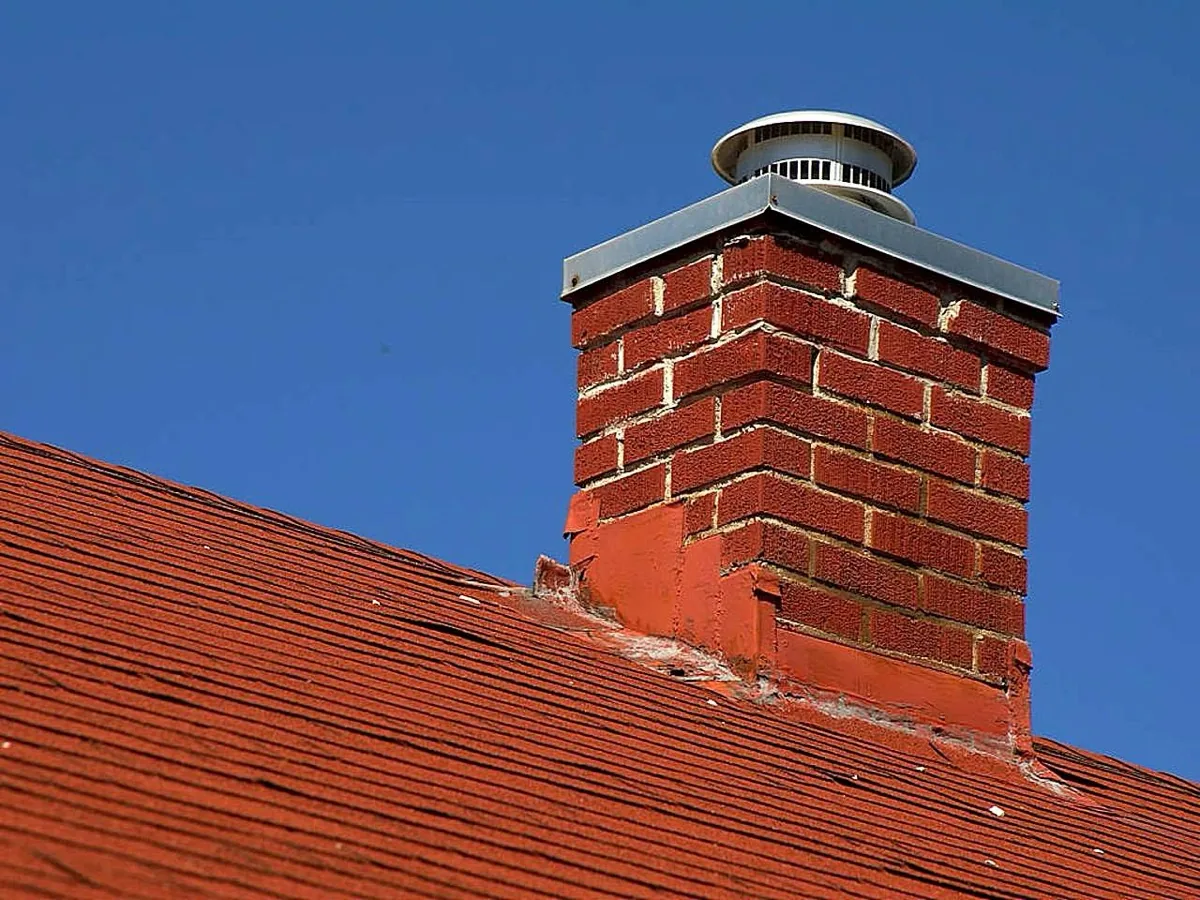
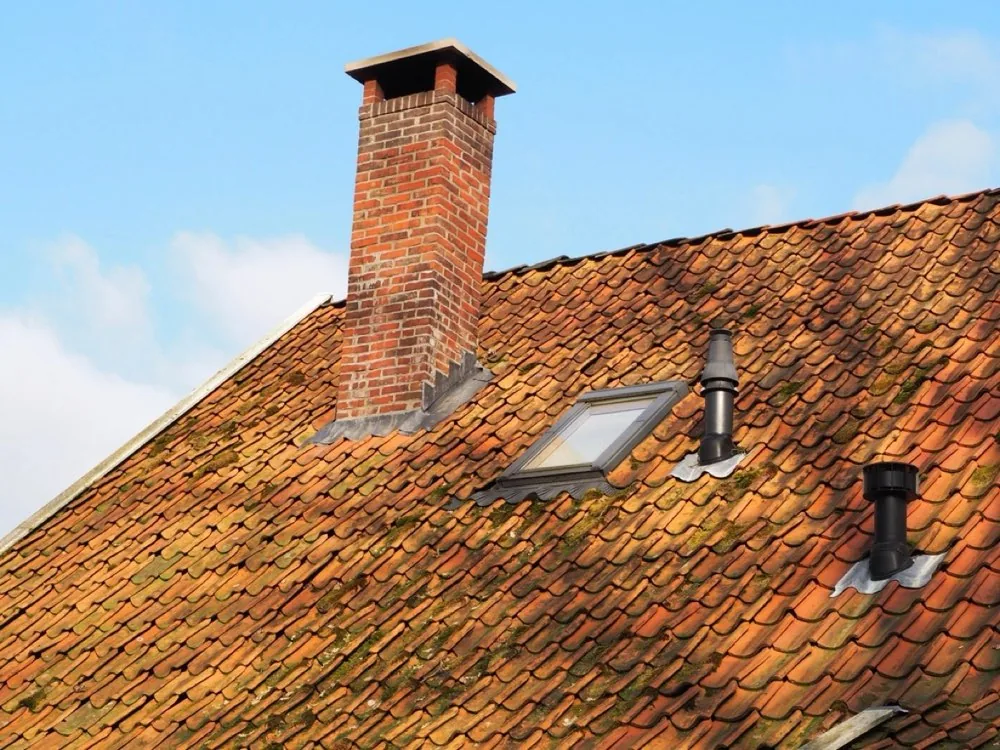
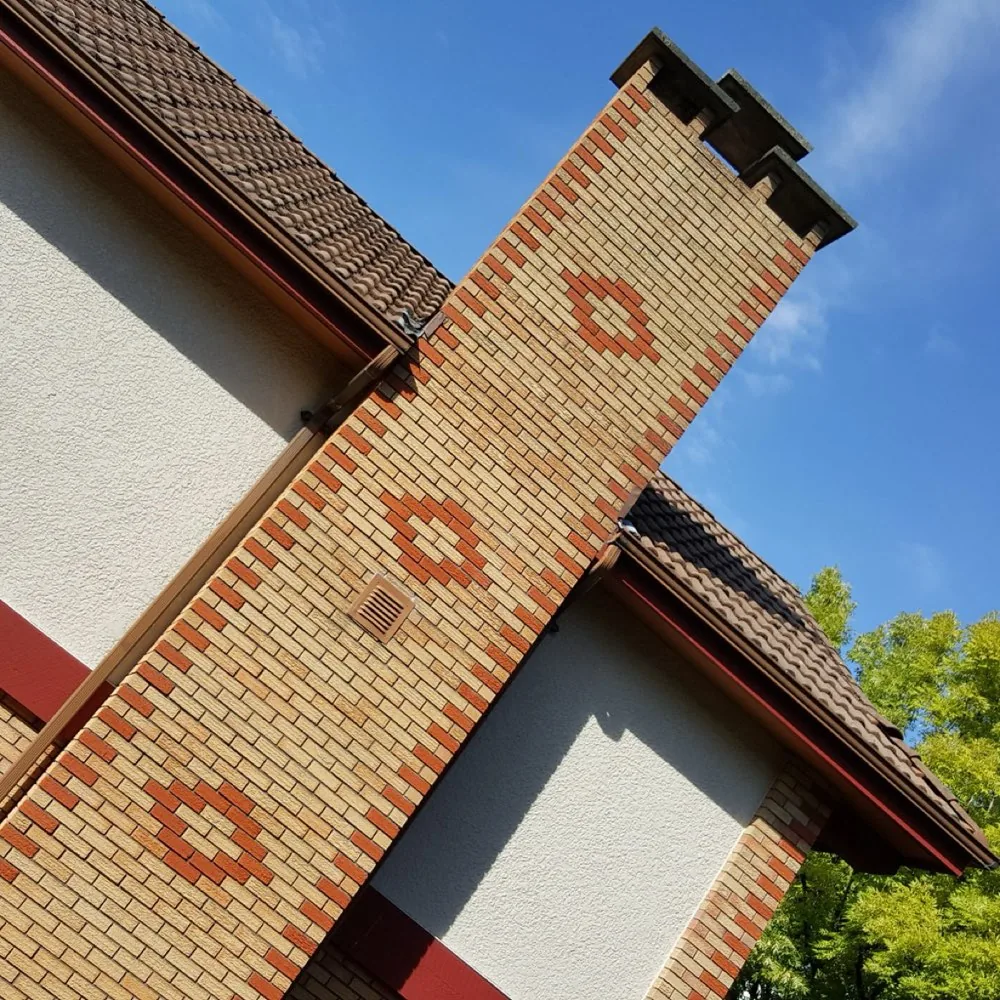
Chimney Liner Replacement: What the Work Looks Like
The kind of work we handle across Florida, swipe to see more.
What Our Chimney Liner Replacement Service Includes
Full flue assessment first
Before we quote a replacement, we look over the existing liner top to bottom and confirm it's the liner that's failed and not something else, so you're only paying to fix the real problem.
Removal of the failed liner
We clear out the cracked clay tile or corroded metal liner and the loose debris that comes with it, leaving the flue ready for a clean install.
Correctly sized replacement liner
The new liner is matched to the fireplace or appliance it serves. A liner that's too wide or too narrow vents poorly, so getting the size right is half the job.
Proper top and base connections
We seal the liner where it meets the appliance or firebox at the bottom and where it terminates at the top, so gases follow the liner the whole way up instead of escaping into the chimney structure.
Moisture-aware installation
Florida flues take on water from humidity and rain, so we address how the new liner is sealed and capped at the top to keep moisture from undoing the work.
Cleanup and haul-away
The old liner material and debris leave with our crew. We don't leave a pile of broken tile or scrap metal behind for you to deal with.
Upfront written estimate
You get the full cost in writing before we begin, with no hidden fees added at the end. If the scope changes, we talk to you first.
Final venting check
Once the new liner is in, we confirm the chimney is drawing properly so smoke and gases vent up and out the way they should.
Signs You Need Chimney Liner Replacement
- You see flakes or chips of clay tile collecting in the firebox or at the bottom of the chimney, which often means the liner is breaking apart inside.
- There's a smoky smell or smoke pushing back into the room when the fireplace is in use, a sign gases aren't venting cleanly up the flue.
- You notice rust, staining, or a metallic odor around a metal liner, which points to corrosion from Florida's humidity and salt air.
- Damp spots, discoloration, or a musty smell on the walls near the chimney, suggesting the liner is no longer keeping moisture and gases contained.
- Your chimney is decades old and has never had the liner replaced, especially if it sat unused through years of humid, rainy seasons.
- A previous inspection or repair attempt flagged cracks or gaps in the liner that a patch couldn't reliably fix.
- You're switching the appliance or heat source the chimney serves and the existing liner is the wrong size for the new setup.
- Crumbling mortar joints between clay tiles are visible from the top of the flue, meaning the liner sections are no longer sealed to each other.
Your chimney liner is the channel that carries smoke, heat, and combustion gases up and out of the house. Older clay tile liners crack and shift over years of heating cycles, and metal liners thin out and corrode. Once that barrier fails, heat can reach nearby framing and gases can seep into rooms, which is exactly why a failing liner is treated as a replacement and not a patch.
In Florida, the bigger enemy is usually moisture rather than the freeze damage you'd see up north. Humidity, salt air along the coast, and the heavy heat-and-rain cycle drive water into the flue, and standing moisture eats away at metal liners and works into the joints of clay tile. By the time you notice the symptoms, the deterioration has often been building quietly for seasons.
We replace the full liner top to bottom, size the new one correctly to whatever it's venting, and walk you through what we found before any work starts. You get an honest written estimate first, so there are no surprises on the invoice.
Liner Replacement, Relining, or a Different Repair?
“Liner” can mean clay tile, a metal liner, or a listed factory-built chimney component. Identifying the system prevents the wrong repair method from being specified.
| System or finding | Likely path | Key boundary |
|---|---|---|
| Damaged removable metal liner | Liner replacement after sizing and appliance review | The replacement must match the fuel, appliance, flue height, and manufacturer requirements |
| Cracked or missing clay tile in a masonry chimney | Relining evaluation | The full flue condition and available dimensions determine the approved system |
| Corroded factory-built chimney pipe | Listed component replacement or system evaluation | Generic liner material cannot substitute for a manufacturer-listed chimney part |
| One visible crack without a full scan | Document the complete flue before selecting work | The repair scope should not be based on one accessible section |
| Condensation or draft symptoms with an intact liner | Appliance and venting diagnosis | Sizing, fuel, combustion air, or termination may be the actual cause |
How It Works
Call or Request a Quote
Tell us what's going on and we'll set a time that works for you.
Free On-Site Assessment
We come out, find the real cause, and give you honest, upfront pricing, no obligation.
Done Right, Fast
We complete the work cleanly and confirm everything is safe and ready to use.