🇺🇸 Proudly American · Family-Owned Free Estimates · Same-Day Service · Serving Florida
Chimney Brothers Co
(645) 224-9996
Chimney Damper Repair · Serving Florida

Chimney Damper Repair in Florida

A damper that won't open, won't close, or won't seal lets your conditioned air escape and Florida's humid outside air pour in. Our family team gets your damper moving, sealing, and working the way it should.

Call (645) 224-9996
★★★★★ 4.9/5 318 reviews · Trusted by Florida homeowners
Family Owned & OperatedFree EstimatesUpfront PricingSame-Day Service Available
Get a Free EstimateTakes about 30 seconds

No obligation · Or call (645) 224-9996

What You Can Count On

Free, Upfront Estimates

No trip charge and no hidden fees — you get a clear price before any work starts.

Same-Day Service

Urgent leak or a failed inspection? We can often get to you the same day.

Family-Owned & Local

A local Florida team that treats your home like our own and stands behind the work.

Chimney Damper Repair: What the Work Looks Like

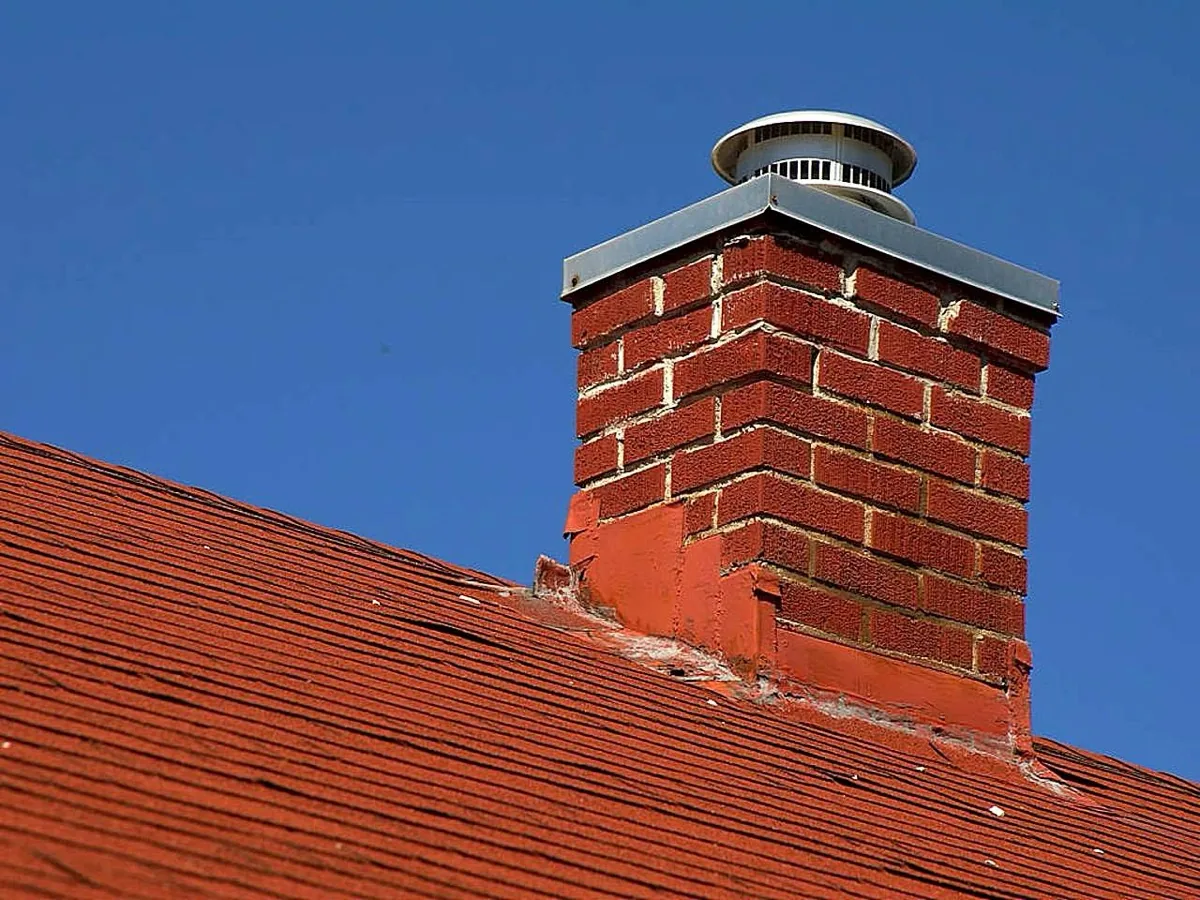
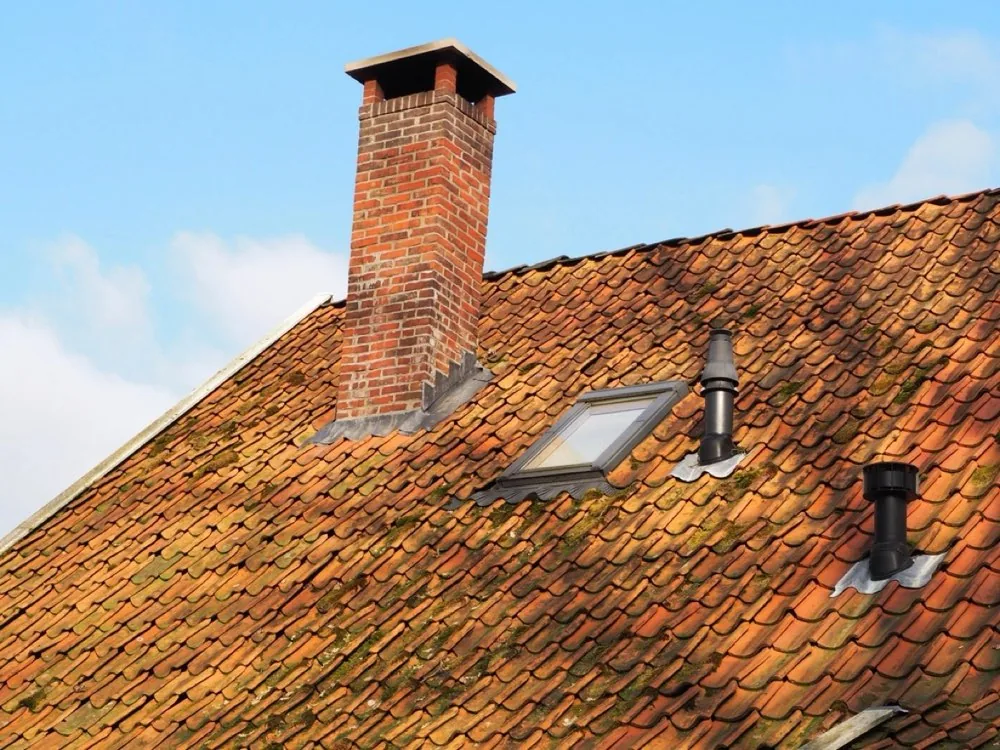
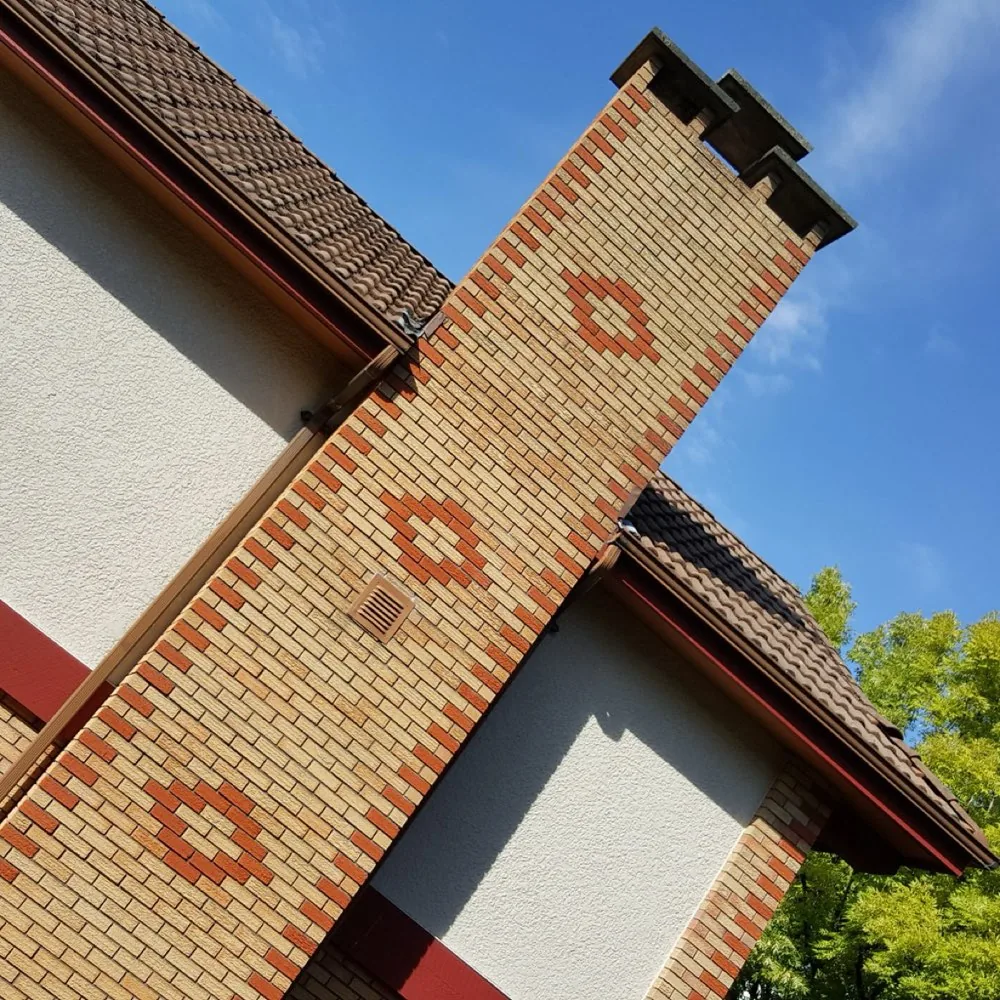
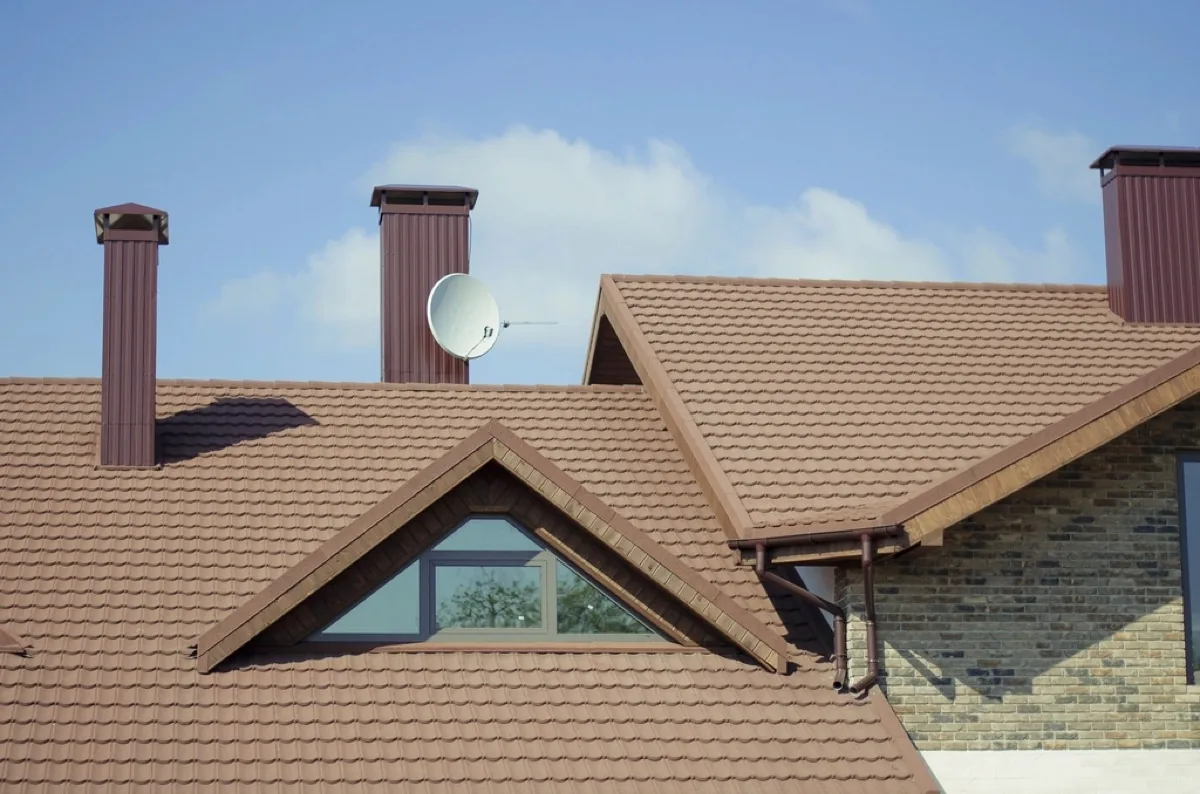
The kind of work we handle across Florida — swipe to see more.

What Our Chimney Damper Repair Service Includes

Damper inspection and diagnosis

We open the firebox, look up into the throat, and test how the damper moves and seats so we can tell you exactly why it's stuck, leaking, or noisy before any work begins.

Freeing stuck and seized dampers

Many Florida dampers are simply rusted in place at the hinge. We clean out the corrosion and debris, work the mechanism free, and lubricate the moving parts so it opens and closes smoothly again.

Handle, plate, and frame repair

We straighten or replace warped damper plates, repair or swap out broken handles and pull chains, and re-seat the frame so the door lands flat and closes the throat completely.

Damper replacement when repair won't last

When a throat damper is corroded beyond saving, we replace it with a properly sized unit, or fit a top-mounted sealing damper that closes off the flue from above for a tighter seal.

Seal and gasket service

We check the seating surface and, where the design allows, fit a fresh gasket so the closed damper blocks the daily exchange of cool indoor air and humid outdoor air.

Open-and-close operation test

Before we leave we cycle the damper fully open and fully closed several times and confirm it locks in both positions, so you know it works for the next fire and seals when it's cold.

Honest written estimate

You get the price in writing before we start, with repair and replacement options laid out plainly and no surprise charges added later.

Signs You Need Chimney Damper Repair

  • The damper handle won't move, feels frozen, or takes real force to budge
  • You feel a steady draft or warm, humid air coming down from the fireplace when it's not in use
  • Your air conditioner seems to run harder near the fireplace, or that room is tough to keep cool
  • You hear whistling or rattling from the chimney when the wind picks up
  • A musty or outdoor smell drifts in from the firebox, especially after rain
  • You can see rust, flaking metal, or a plate that no longer sits flat when you look up into the throat
  • The damper closes but light is still visible around the edges, meaning it isn't sealing
  • Rainwater or moisture is getting into the firebox through an open or warped damper

The damper is the moving metal door inside your chimney. When the fireplace is in use it swings open to let smoke and combustion gases out, and when the fireplace is cold it closes to keep outside air from streaming down the flue. In Florida that second job matters every day of the year, because a damper that won't seal lets your air-conditioned air slip up the chimney and lets hot, sticky outside air drop into your living room.

Dampers fail in predictable ways here. The constant humidity and salt-laden air near the coast attack the metal, so throat dampers rust at the hinge and warp out of shape, and the handle stiffens until it won't budge. A damper that's frozen open, frozen shut, or no longer seating flat against its frame is the most common reason a Florida homeowner feels a draft, hears a whistle, or notices a musty smell coming from a fireplace they rarely light.

We diagnose what's actually wrong before we quote anything. Sometimes a seized throat damper just needs to be cleaned, freed, and re-seated; sometimes a corroded one is past saving and a top-mounted sealing damper is the better long-term fix. Either way you get an honest, written estimate up front, no hidden fees, and a clear explanation of your options.

How It Works

Call or Request a Quote

Tell us what's going on and we'll set a time that works for you.

Free On-Site Assessment

We come out, find the real cause, and give you honest, upfront pricing — no obligation.

Done Right, Fast

We complete the work cleanly and confirm everything is safe and ready to use.

🇺🇸
Proudly American — Family-Owned & Operated A local Florida team that treats your home like our own.
100% Free · No Obligation

Get Your Free Estimate

Tell us what's going on — a leak, a crack, a failed inspection, or a cleaning — and we'll give you honest, upfront pricing.

Family-Owned Upfront Pricing Same-Day Available
Call (645) 224-9996

Request a Free Estimate

Takes less than 30 seconds.

No obligation. We'll get back to you shortly · Or call (645) 224-9996

Chimney Damper Repair — Common Questions

Can a stuck damper be repaired, or does it always need replacing?

It depends on the condition. A lot of Florida dampers are just seized with rust and debris at the hinge, and once we clean, free, and lubricate them they work fine again. If the metal is warped or corroded through, repair won't hold and we'll recommend a replacement. We tell you which situation you're in before quoting the work.

Why does my closed damper still let air through?

Older throat dampers are a flat metal plate resting on a metal frame, so even a good one never seals perfectly, and rust or warping makes the gap worse. In Florida that gap lets cool indoor air escape and humid outdoor air drop in all day. Re-seating the plate or fitting a top-mounted sealing damper closes the flue much more tightly.

What is a top-mounted damper and is it better for Florida homes?

A top-mounted damper sits at the top of the flue and seals with a gasket, closing the chimney from above instead of at the throat. Because it seals tighter than a worn throat damper, it does a better job keeping humid air and rain out of a chimney you rarely use, which suits a lot of Florida homes well. We'll let you know if your chimney is a good fit for one.

Will a leaky damper really affect my cooling bill?

It can. A chimney with a damper that won't seal is essentially an open pipe to the outdoors. Your conditioned air rises and escapes up the flue while hot, humid air pushes down into the room, so the AC works harder. A damper that closes tight removes that constant air exchange.

Is it safe to use my fireplace if the damper is stuck closed?

No. If the damper won't open, smoke and combustion gases have nowhere to go and will back up into the room, so you should not light a fire until it's fixed. Call us first and we'll get the damper opening and closing properly before you use the fireplace again.

Do you offer same-day damper service?

We keep same-day availability open for many calls across our Florida service area. Reach us at (645) 224-9996, describe what your damper is doing, and we'll let you know the soonest we can get out to you.

Do you offer free estimates?

Yes — every job starts with a free, no-obligation on-site estimate and upfront pricing. No trip charge and no hidden fees.

How long does a typical chimney repair take?

It depends on the work. A sweep or inspection is usually done in one visit; a crown reseal, cap, or flashing repair is often same-day; a partial or full rebuild can take longer. We give you a clear timeframe with your estimate.

Do you work on prefab (factory-built) fireplaces too, or only masonry?

Both. We service traditional masonry chimneys and fireboxes as well as prefabricated, factory-built fireplace systems — including wood-burning and gas units.

My chimney failed a home inspection — can you help before closing?

Yes, that's one of the most common reasons people call us. We assess exactly what was flagged, explain what's actually needed, and give upfront pricing so you can move forward with your sale.

Do you clean up after the work?

Always. We protect the work area, contain soot and debris, and leave your home as clean as we found it — that's part of the job, not an extra.

How do I book or get a quote?

Call (645) 224-9996 or fill out the short form on this page. Same-day service is often available for urgent issues like an active leak.

Our Chimney & Fireplace Services

Chimney RepairChimney Sweep & CleaningChimney InspectionChimney Leak & Flashing RepairChimney CapsChimney Crown RepairChimney Chase RepairChimney RebuildTuckpointing & MasonryFireplace Repair & ServiceFireplace InstallationGas Fireplace ServiceFireplace Restoration
How much does damper repair cost in Florida?

Damper repair or replacement runs $150–$400 in Florida, with top-sealing dampers costing more than a throat damper rebuild. What a specific Florida job costs comes down to the appliance type and age, parts availability, and the condition of the firebox and venting, so we give a free on-site estimate with upfront pricing before any work begins. See the full cost breakdown.

Does salt air near the coast change what materials should be used on a chimney?

Yes, and the Florida Building Code recognizes it by grade. Florida Building Code, Residential sections R905.7.6.1.1 and R905.8.7.1.1 call for Type 304 stainless steel ring-shank nails for wood shingles and shakes, and specifically Type 316 for coastal areas. Type 316 stainless contains molybdenum and resists chloride attack better than Type 304, which is why it is the coastal specification. The same chloride exposure attacks every metal component on a chimney: the cap and spark arrestor screen, the counter flashing, the storm collar, the chase cover and a stainless liner. Galvanized steel components in particular have a short service life within sight of salt water. Source: Florida Building Code, Residential sections R905.7.6.1.1 and R905.8.7.1.1

How much clearance to combustibles does a masonry chimney and fireplace need?

A masonry chimney inside the building or within an exterior wall needs a minimum 2-inch airspace clearance to combustibles, and a chimney located entirely outside the exterior walls needs a minimum 1 inch, per IRC section R1003.18. For the fireplace itself, IRC section R1001.11 requires combustible material to be kept 2 inches from the front and sides and 4 inches from the back of a masonry fireplace. Combustible trim within 6 inches of the fireplace opening is limited to a projection of 1/8 inch for each 1 inch of distance from the opening. Framing, insulation or shelving packed tight against a chimney is one of the most common clearance violations found on a Level 2 inspection. Source: International Residential Code sections R1003.18 (Chimney clearances) and R1001.11 (Fireplace clearance)

Related chimney & fireplace services: Chimney Brick Replacement & Repair · Chase Cover Replacement · Chimney Caps · Chimney Chase Repair · Chimney Crown Repair · Chimney Flashing Repair · Chimney Inspection · Chimney Leak & Flashing Repair · Chimney Liner Replacement · Chimney Rebuild · Chimney Relining for Florida Homes · Chimney Repair · Chimney Sweep & Cleaning · Tuckpointing & Masonry Repair · Chimney Waterproofing · Firebox Repair for Florida Fireplaces · Fireplace Installation · Fireplace Repair & Service · Fireplace Restoration · Gas Fireplace Service · Prefab Chimney Repair · Smoke Chamber Repair

Call Now