01
Appliance and fuel planning
Model, fuel type, ignition system, input needs, and available supply are confirmed together.
Gas fireplace installation across Florida with the appliance, fuel supply, approved venting, clearances, controls, utilities, framing, and finish scope planned together.
Direct answer
Gas fireplace installation coordinates the selected appliance with its fuel supply, approved venting, combustion needs, clearances, controls, electrical requirements, framing, and finish materials. The model and site conditions are identified before construction begins. Gas connection responsibilities, testing, access, and applicable requirements are confirmed as part of the written installation plan.
Planning covers the appliance, fuel connection, venting configuration, clearances, and service access for non-insert gas systems rather than gas repair or insert installation.
The selected appliance and the proposed room location have to be planned as one system before construction or finish work begins.
Model, fuel type, ignition system, input needs, and available supply are confirmed together.
Direct-vent, other vented, and vent-free configurations are treated as different systems.
The enclosure, mantel, hearth, and adjacent materials are planned around the selected unit.
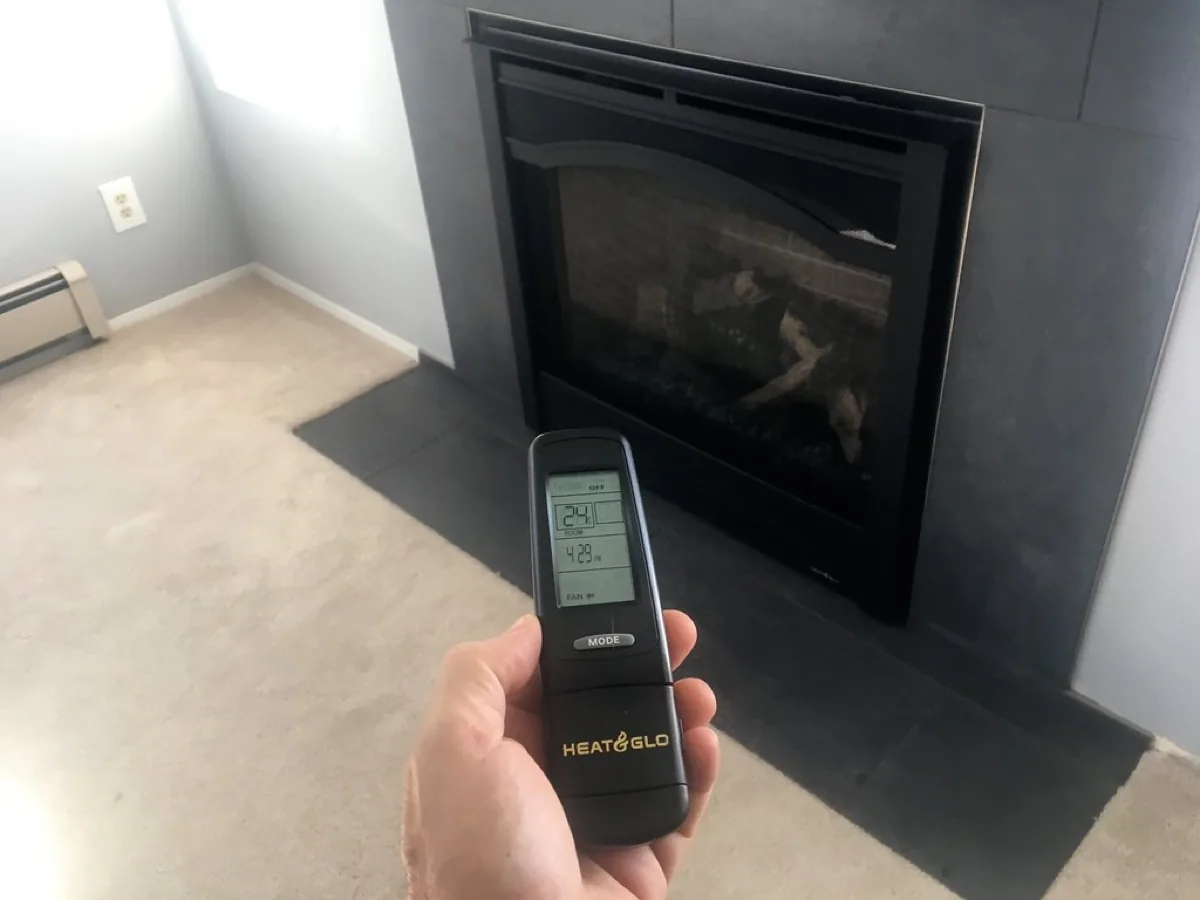
Power, switches, remotes, shutoff access, panels, and future maintenance needs are coordinated.
The order matters: identify the condition, define the appropriate work, and separate any additional repair or specialist decision before scheduling.
A gas fireplace should not be selected independently from the room and proposed installation location. The appliance model determines its fuel, venting options, framing dimensions, clearances, controls, and service-access needs.
The home determines which vent path, supply route, electrical connection, and finish layout are practical. Existing fireplaces and new framed installations require different preparation. Direct-vent and other gas systems also have different boundaries, so one generic layout cannot be assumed. Measuring the space and confirming the chosen model before construction helps keep framing, gas, electrical, venting, and finish work aligned instead of forcing the appliance into an enclosure designed around incomplete information.
The installation plan identifies who is responsible for the fuel connection, electrical work, vent components, framing, exterior termination, finish work, and final testing. Requirements are confirmed before walls, surrounds, or chases are closed.
Vent sections and terminations must match the selected appliance rather than being substituted by appearance alone. The fuel supply and controls must support the unit as configured, while service panels and shutoff access remain reachable after finishing. Where an existing chimney or opening is involved, compatibility is evaluated rather than assumed. This coordination is especially important because later finish work can hide connections or restrict access, turning a manageable correction into a larger project.
After the appliance, venting, utilities, and finish interfaces are complete, operation is checked through ignition, flame establishment, controls, normal running, and shutdown. The glass, logs, media, panels, and other listed components must remain arranged for the selected model rather than treated as interchangeable decoration.
The handoff should identify normal startup, accessible controls, service panels, appliance information, and maintenance responsibilities. A new installation establishes the system; later pilot, ignition, burner, valve, control, glass, or operating problems belong to gas fireplace service and repair rather than the installation page.
Use this service for a new or replacement gas fireplace that requires appliance, fuel, venting, framing, control, and finish coordination. Choose Gas Fireplace Repair & Service for diagnosis or maintenance of an installed unit. When an appliance is being fitted into an existing fireplace opening, start with Fireplace Insert Installation instead.
Explore Fireplace InstallationShare the service address and what you are trying to repair, replace, or install. Availability and the exact scope are confirmed before work is scheduled.
Call (645) 224-9996Not every gas fireplace uses a traditional masonry chimney, but the selected appliance determines whether and how it vents. Direct-vent, chimney-vented, and vent-free systems have different installation conditions. The room, appliance listing, fuel, and available termination path must be evaluated before a venting approach is chosen.
Sometimes. The opening dimensions, fireplace type, chimney or venting, clearances, hearth, fuel route, power, and selected appliance must be compatible. An insert may be the appropriate product for some existing openings, while other situations require different preparation or a broader replacement scope.
Responsibilities should be stated in the proposal before work begins. The project may require coordination for fuel supply, appliance connection, controls, or power, depending on the selected unit and site. Requirements are confirmed rather than assuming every installation includes the same trades or connection work.
Installation includes the agreed setup and operating checks, but ongoing cleaning, pilot or ignition diagnosis, burner service, controls, valves, and model-specific replacement parts belong to maintenance or repair. The handoff should explain which future service applies to the appliance and which applies to its venting.
Parent service: Fireplace Installation · All services · Florida service areas
Share the property location and project details. We will confirm the scope and availability before scheduling.