01
Built-in electric fireplaces
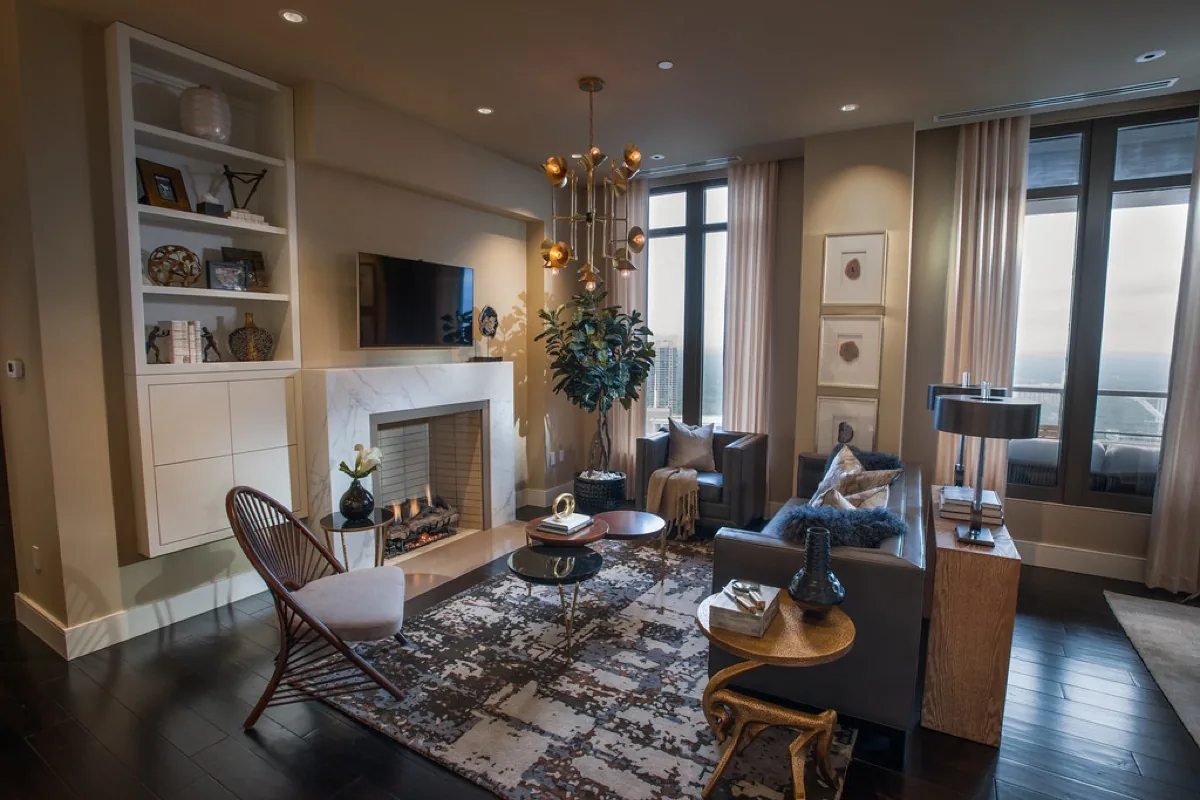
Framing dimensions, ventilation, power, viewing height, and finish transitions are planned together.
Electric fireplace installation across Florida with power, mounting, clearances, ventilation, enclosure dimensions, controls, finish details, and service access planned together.
Direct answer
Electric fireplace installation coordinates the selected unit with available power, wall or opening dimensions, mounting support, manufacturer clearances, ventilation, controls, and finish materials. Although an electric unit may not need a chimney, it still requires compatible placement and service access. Electrical and construction responsibilities are confirmed before the enclosure is finished.
We define mounting, electrical capacity, clearances, controls, and future access for non-insert electric systems before installation details are safely finalized.
A wall-mounted unit, built-in fireplace, and existing-opening conversion each require a different placement and enclosure decision.
Framing dimensions, ventilation, power, viewing height, and finish transitions are planned together.
Wall construction, mounting support, power access, clearances, and cable visibility shape the layout.
The former firebox or fireplace opening is measured and evaluated before a unit is selected.
Remote functions, switches, ventilation openings, panels, and removal access remain usable after finishing.
The order matters: identify the condition, define the appropriate work, and separate any additional repair or specialist decision before scheduling.
Electric fireplaces differ in depth, mounting method, ventilation, power needs, heat output, viewing area, and finish requirements. The wall or existing opening should therefore be measured before the unit and surround are finalized.
A shallow wall-mounted model, recessed built-in unit, and appliance placed inside a former fireplace do not use the same preparation. Nearby mantels, televisions, furniture, and finish materials also affect placement. The goal is to choose a model whose required opening and airflow can be maintained without awkward filler panels, blocked vents, exposed wiring, or an enclosure that prevents the unit from being removed for future service.
The written scope should distinguish appliance placement, framing, power connection, finish carpentry, masonry or tile work, and any removal of existing components. Electrical requirements are confirmed for the selected model rather than assumed from another unit.
The enclosure must support the fireplace and preserve the clearances and ventilation described for it. Finish work should align with the viewing window while leaving controls and service access usable. If an old wood or gas fireplace is being converted, the existing chimney, fuel components, firebox, and moisture condition may need separate evaluation before they are covered. Closing the wall is the final step, not the first.
When installation is complete, the fireplace is checked for power, controls, heat settings, flame display, ventilation, and normal shutdown as applicable to the unit. The finished opening should not obstruct air intake, discharge, or access points.
The homeowner should know how the unit is operated, where power is controlled, and how it can be accessed if later service is required. Electric fireplace installation does not include diagnosing unrelated household electrical issues or repairing the chimney and former firebox unless those items are specifically included in the project scope.
Choose this service for electric appliance placement, mounting, enclosure integration, ventilation, controls, and finish access. Household electrical repairs and corrections to an old chimney, firebox, or gas system are evaluated separately. Choose Fireplace Refacing for finish-only changes without a new appliance, or Fireplace Insert Installation for an existing fireplace opening.
Explore Fireplace InstallationShare the service address and what you are trying to repair, replace, or install. Availability and the exact scope are confirmed before work is scheduled.
Call (645) 224-9996Many electric fireplaces do not use a chimney or combustion vent because they do not burn fuel. The selected unit may still require ventilation space, clearances, and an accessible power connection. Existing chimney or fireplace conditions should be evaluated separately if the unit is placed in an old opening.
Sometimes. The opening must fit the selected unit and allow its required airflow, power connection, finish transition, and removal access. Existing moisture, damage, gas components, dampers, or chimney issues should be identified before the old firebox is covered or treated only as a decorative enclosure.
That depends on the fireplace's heat discharge, required clearances, wall design, mantel arrangement, and the television's own limits. The layout should be planned from the instructions for both products. Appearance alone is not enough to determine safe spacing or whether heat will affect nearby equipment.
Scope depends on unit type, opening size, mounting support, power access, wall construction, ventilation, controls, finish materials, removal needs, and service access. A surface-mounted unit on a prepared wall differs from a recessed fireplace requiring framing, electrical coordination, and a finished surround.
Parent service: Fireplace Installation · All services · Florida service areas
Share the property location and project details. We will confirm the scope and availability before scheduling.