πŸ‡ΊπŸ‡Έ Proudly American Β· Family-Owned Free Estimates Β· Same-Day Service Β· Serving Florida
Chimney Brothers Co
(645) 224-9996
St. Pete Beach, FL

Chimney Repair & Fireplace Services in St. Pete Beach, FL

Chimney and fireplace service for St. Pete Beach β€” where the Gulf shapes everything, including what salt air and storm seasons do to masonry.

Call (645) 224-9996
β˜…β˜…β˜…β˜…β˜… 4.9/5 318 reviews Β· Trusted by Florida homeowners
Family Owned & OperatedFree EstimatesUpfront PricingSame-Day Service Available
Get a Free EstimateTakes about 30 seconds

No obligation Β· Or call (645) 224-9996

What You Can Count On

Free, Upfront Estimates

No trip charge and no hidden fees β€” you get a clear price before any work starts.

Same-Day Service

Urgent leak or a failed inspection? We can often get to you the same day.

Family-Owned & Local

A local Florida team that treats your home like our own and stands behind the work.

Chimney & Fireplace Work We Handle

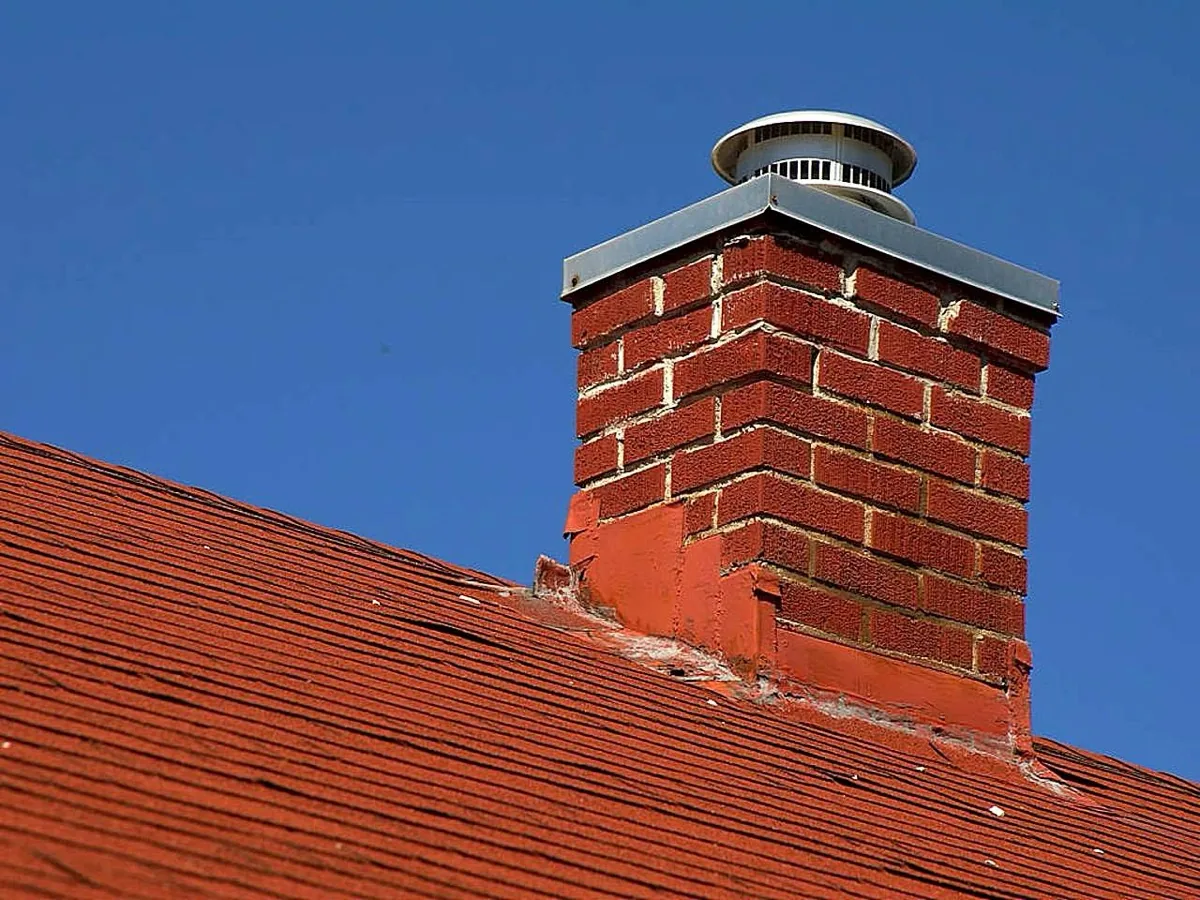
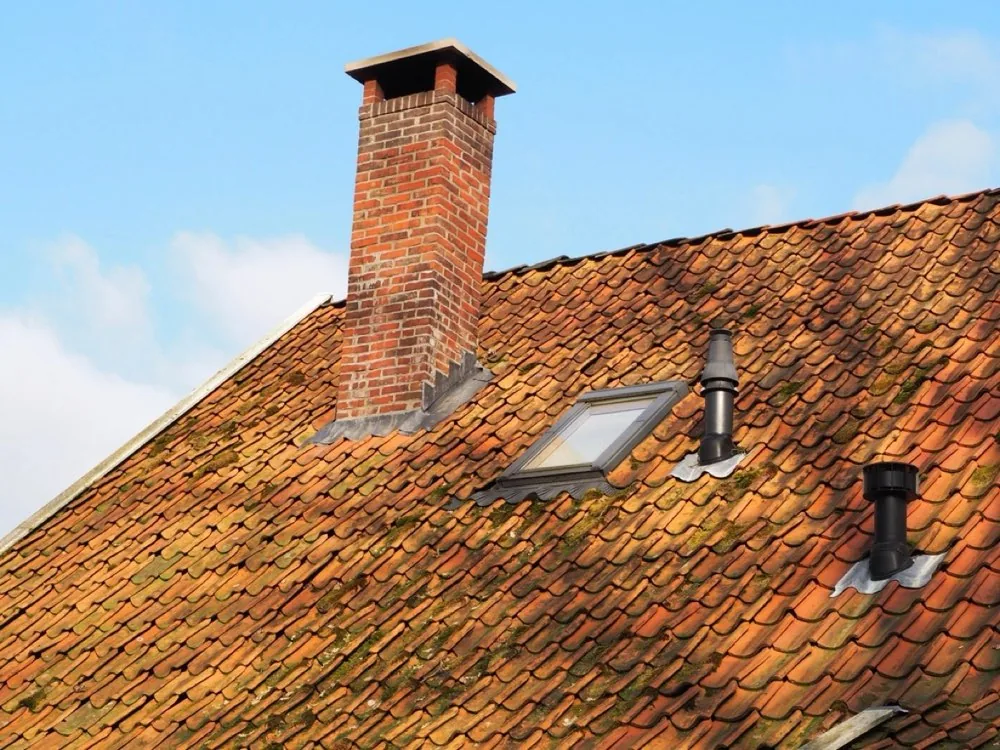
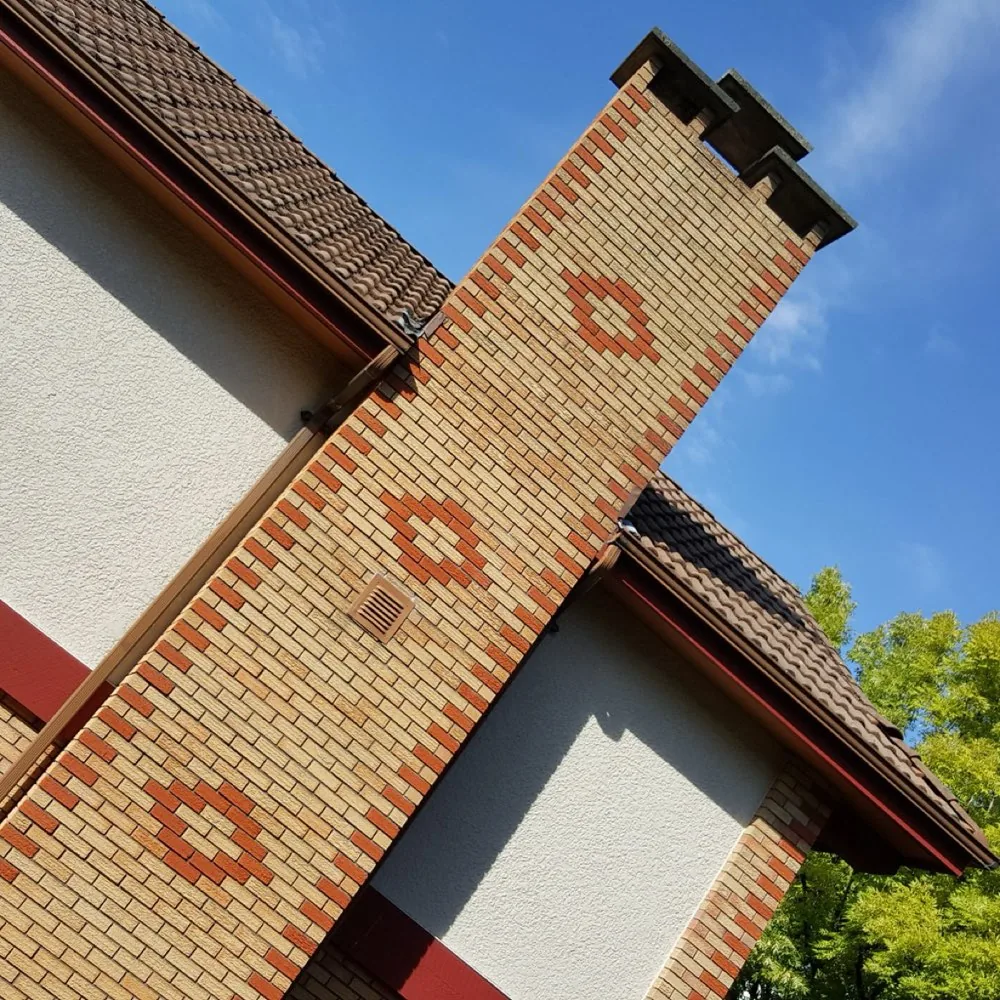
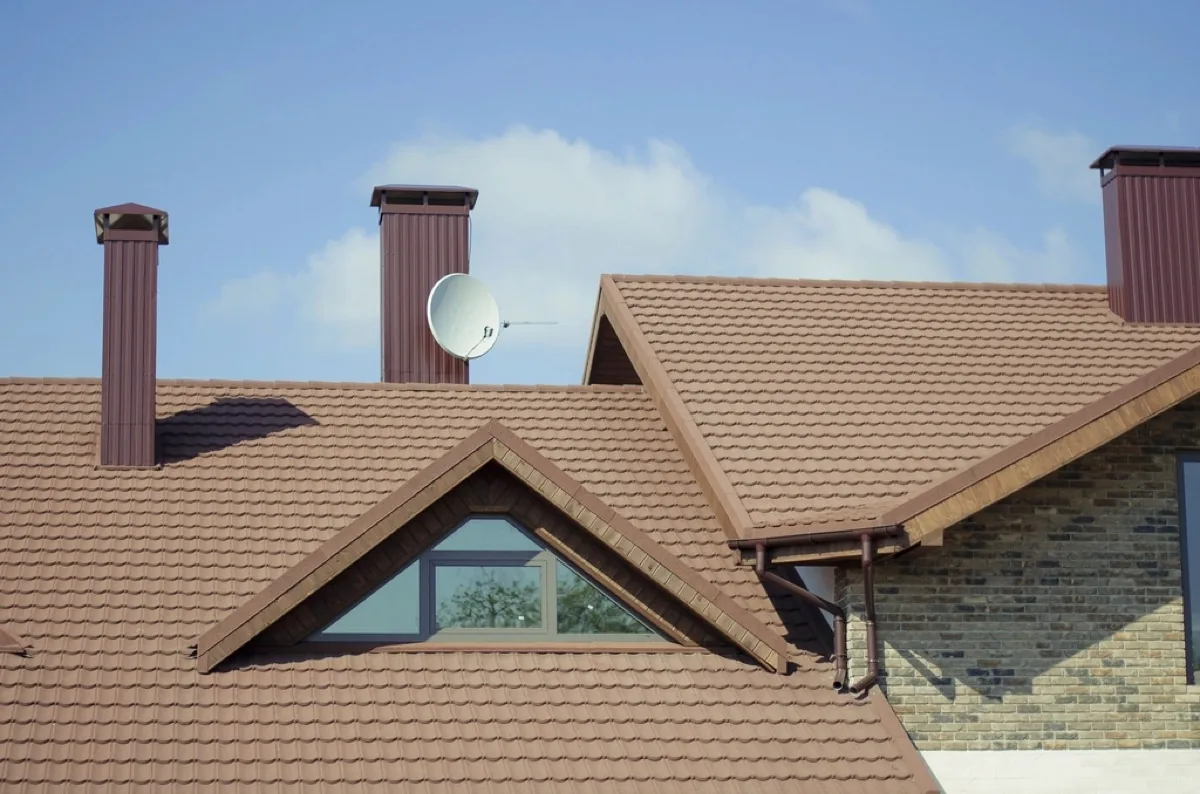
From caps and crowns to leaks and masonry β€” swipe to see more.

Your Local St. Pete Beach Chimney & Fireplace Team

One family-owned team for everything your chimney and fireplace need in St. Pete Beach.

St. Pete Beach sits on a Pinellas County barrier island, and that geography is not kind to masonry. The same Gulf breeze that makes the sunset famous also carries salt particles that work into mortar joints, chase covers, and metal flashing year-round β€” not just during hurricane season.

Beach homes here often go years between fireplace uses. A gas fireplace might run a handful of nights in January and February; a wood-burning unit even less. That infrequent use does not mean the chimney is resting peacefully. Gaps in a crown, a loose cap, or cracked flashing quietly let in moisture through every tropical downpour, and St. Pete Beach gets plenty of those.

Our crew understands the difference between a chimney problem caused by age and one caused by salt corrosion or storm surge pressure. Both need fixing, but they are not the same fix. When we inspect a St. Pete Beach home, we are looking at what the barrier-island environment specifically does to that structure β€” not running through a generic checklist.

What the Gulf Coast environment does to chimneys here

Salt air accelerates mortar deterioration faster than in inland Florida. On a barrier island with open Gulf exposure, tuckpointing and mortar repair often become a priority before any visible crumbling appears, because the degradation starts from within the joint.

Heavy rainfall during storm season pushes water into any gap that might be ignored in a drier climate. A chase cover that fits loosely or a cap with a hairline crack becomes a real problem when a squall drops two inches of rain in an hour. We see this pattern regularly in the beach communities of Pinellas County.

Homes close to the water also accumulate more debris in the flue from wind β€” leaves, salt residue, and occasionally nesting material. Annual inspections matter here even for fireplaces that rarely see a fire, because the question is not just creosote; it is blockage and structural integrity.

Metal components β€” dampers, chase covers, firebox doors β€” corrode faster in a salt-air environment. Stainless steel and copper materials hold up significantly better on barrier islands than standard galvanized options, and that is what we recommend when making replacements in St. Pete Beach.

If you have not had your chimney inspected since before last hurricane season, now is a good time. Storm-force winds create pressure differentials and uplift forces that can shift a crown, loosen flashing, or push water into a system that appeared fine before the season.

We work with the housing stock that St. Pete Beach actually has β€” beach cottages, concrete-block homes, elevated stilt construction, and older Gulf-front properties that have seen decades of coastal weather. Whatever your structure, we will tell you honestly what needs attention and what can wait.

Why St. Pete Beach Homeowners Choose Chimney Brothers Co

Safety-First Work

We don't call a job done until your chimney is genuinely safe to use β€” that's the whole point of the work.

Upfront, Honest Pricing

You get a clear estimate before we start. No hidden fees, no surprise add-ons, no pressure.

Family-Owned & Local

A local Florida team that treats your home like our own β€” and stands behind every repair.

Same-Day Service Available

Leaks and failed inspections can't always wait. When it's urgent, we move fast.

How It Works

Call or Request a Quote

Tell us what's going on β€” a leak, a crack, a failed inspection, or a cleaning.

Free On-Site Assessment

We come out, find the real cause, and give you honest, upfront pricing β€” no obligation.

Done Right, Fast

We complete the work cleanly and confirm your chimney is safe and ready to use.

πŸ‡ΊπŸ‡Έ
Proudly American β€” Family-Owned & Operated A local Florida team that treats your home like our own.
100% Free Β· No Obligation

Get Your Free Estimate in St. Pete Beach

Tell us what's going on β€” a leak, a crack, a failed inspection, or a cleaning β€” and we'll give you honest, upfront pricing.

Family-Owned Upfront Pricing Same-Day Available
Call (645) 224-9996

Request a Free Estimate

Takes less than 30 seconds.

No obligation. We'll get back to you shortly Β· Or call (645) 224-9996

Common questions from St. Pete Beach homeowners

My fireplace has not been used in several years. Do I still need an inspection?

Yes, and especially on a barrier island. A dormant fireplace is still a structure exposed to salt air, moisture, and storm pressure. We regularly find crown cracks, deteriorated mortar, and compromised flashing on fireplaces that have not had a fire in years. The problem is not always combustion-related.

How often does salt air actually affect masonry in this area?

It is a continuous process, not an event. Salt particles from Gulf air settle into mortar joints and gradually break down the binder. In our experience working along Pinellas County's barrier communities, mortar near the coast tends to show meaningful wear sooner than the same material would see inland. Regular inspections let us catch this before it becomes a costly rebuild.

We had tropical storm wind and rain last season. What should we check?

The first things to look at are the chimney cap and crown β€” these are most vulnerable to uplift and impact. After that, check your flashing for any separation from the roofline, and look inside the firebox for water staining or debris that indicates something got past the cap. We can do a full post-storm inspection if you want a professional assessment.

Can you service gas fireplaces, not just wood-burning ones?

Yes. Gas fireplace service β€” including burner cleaning, pilot and ignition checks, glass and gasket inspection, and venting assessment β€” is part of what we do. Many St. Pete Beach homes have gas units because of the mild winters and convenience, and they need maintenance too.

What materials do you recommend for a cap or chase cover replacement near the water?

Stainless steel is the minimum we recommend for barrier-island locations; copper is the premium option and holds up exceptionally well in salt air. Standard galvanized steel corrodes noticeably faster this close to the Gulf, and we would rather tell you that upfront than have you replace the same component in two or three years.

Do you offer free estimates?

Yes β€” every job starts with a free, no-obligation on-site estimate and upfront pricing. No trip charge and no hidden fees.

How long does a typical chimney repair take?

It depends on the work. A sweep or inspection is usually done in one visit; a crown reseal, cap, or flashing repair is often same-day; a partial or full rebuild can take longer. We give you a clear timeframe with your estimate.

Do you work on prefab (factory-built) fireplaces too, or only masonry?

Both. We service traditional masonry chimneys and fireboxes as well as prefabricated, factory-built fireplace systems β€” including wood-burning and gas units.

My chimney failed a home inspection β€” can you help before closing?

Yes, that's one of the most common reasons people call us. We assess exactly what was flagged, explain what's actually needed, and give upfront pricing so you can move forward with your sale.

Do you clean up after the work?

Always. We protect the work area, contain soot and debris, and leave your home as clean as we found it β€” that's part of the job, not an extra.

How do I book or get a quote?

Call (645) 224-9996 or fill out the short form on this page. Same-day service is often available for urgent issues like an active leak.

How tall does a chimney have to be above the roof?

Chimneys shall extend not less than 2 feet higher than any portion of a building within 10 feet, but shall be not less than 3 feet above the highest point where the chimney passes through the roof. That is the exact wording of IRC section R1003.9, adopted verbatim as R1003.9 of the Florida Building Code, Residential. It is commonly called the 3-2-10 rule, and both conditions must be met at once, so whichever produces the greater height controls. The 10-foot measurement is horizontal and includes ridges, dormers, adjacent walls and nearby structures. Source: International Residential Code section R1003.9, adopted as Florida Building Code, Residential R1003.9

How much does chimney repair cost in St. Pete Beach?

The most common repairs range from around $150 for a cap replacement to $5,000 or more for flue relining, with most single repairs falling in the $300–$1,500 range in Florida. What a specific St. Pete Beach job costs comes down to chimney height, roof access and pitch, and the condition of the crown and flashing, so we give a free on-site estimate with upfront pricing before any work begins. See the full cost breakdown.

How much rain does a South Florida chimney actually take?

Miami International Airport averages 67.41 inches of precipitation a year, Fort Lauderdale-Hollywood 60.95 inches and West Palm Beach 61.75 inches, based on the NOAA 1991-2020 U.S. Climate Normals. Much of that falls as heavy convective rain in the May-through-October wet season, and it arrives on a wind-driven slant rather than straight down, which is exactly the condition that drives water into an unsealed crown joint, a face-nailed counter flashing or an uncapped flue. The Atlantic hurricane season runs June 1 through November 30 and peaks around September 10. That overlap is why crown, cap and flashing condition matters more in Florida than sweeping frequency does. Source: NOAA National Centers for Environmental Information, 1991-2020 U.S. Climate Normals (stations USW00012839, USW00012849, USW00012844); NOAA National Hurricane Center season climatology

Local Chimney & Fireplace Services in St. Pete Beach

St. Pete Beach homeowners β€” here's everything our local team handles, right here in your area:

Nearby areas we serve: South Pasadena Β· Gulfport Β· Treasure Island Β· Madeira Beach Β· Kenneth City Β· St. Petersburg

More: Chimney Repair across Florida Β· All service areas

Call Now