Water intrusion is the most common chimney problem we address in Jacksonville Beach, and it is not hard to understand why. The Atlantic coast brings heavy summer rain, occasional tropical systems that push rain horizontally, and persistent salt-laden humidity throughout the year. Any small gap in the flashing, a hairline crack in the crown, or a missing cap turns into a water entry point, and in a coastal Florida climate, water that gets in does not dry out slowly. It works its way deeper, and the damage compounds.
Chimney Leak & Flashing Repair: What the Work Looks Like
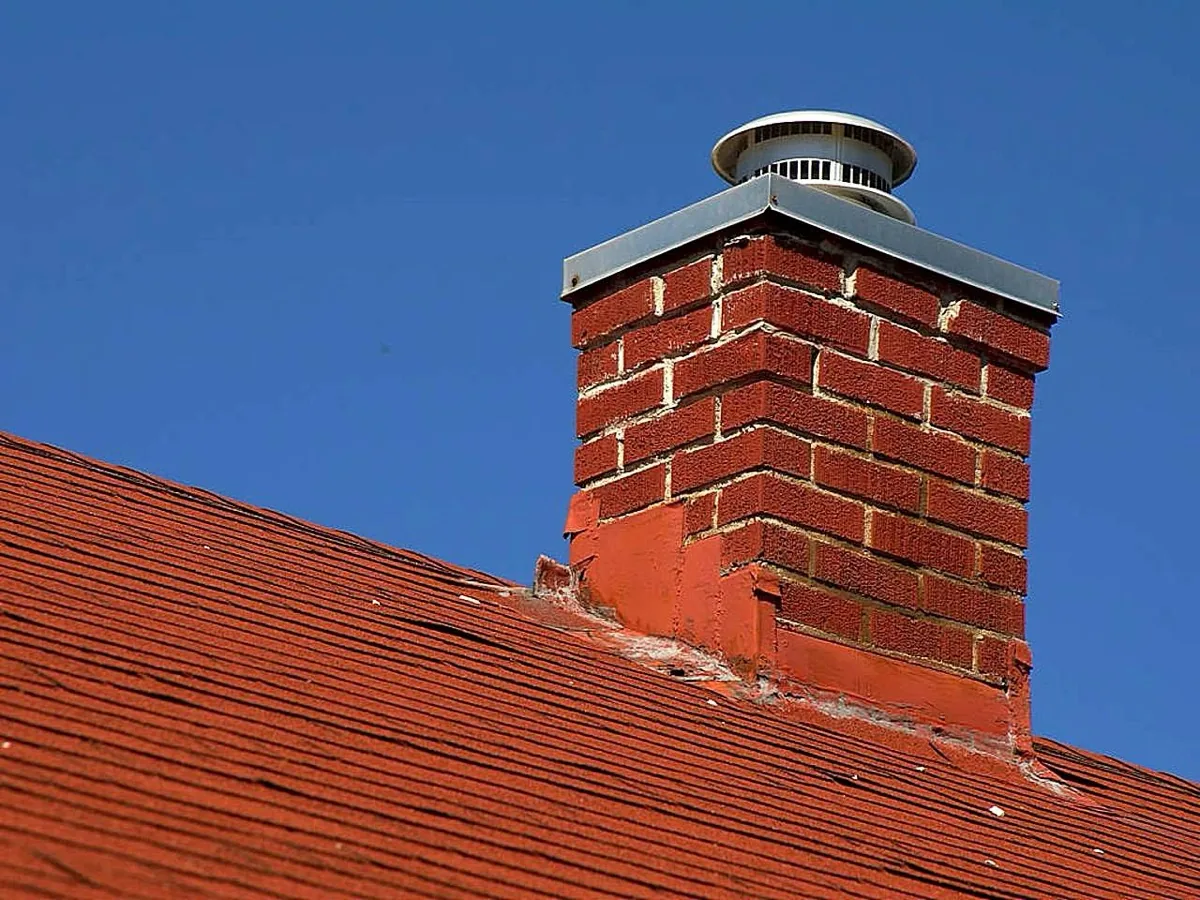
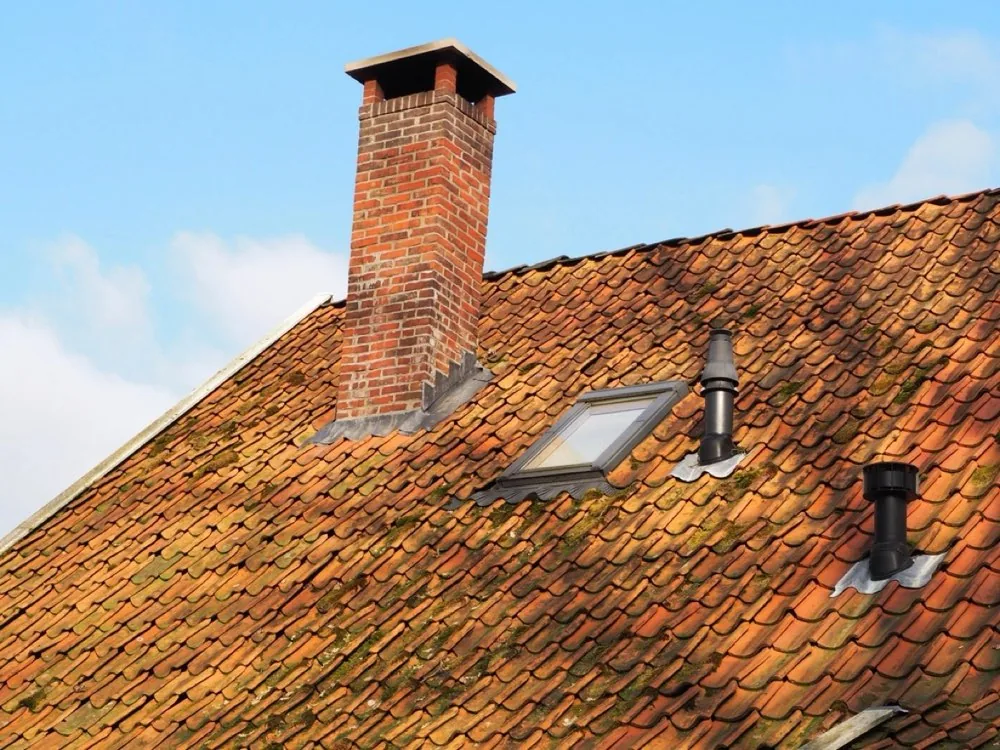
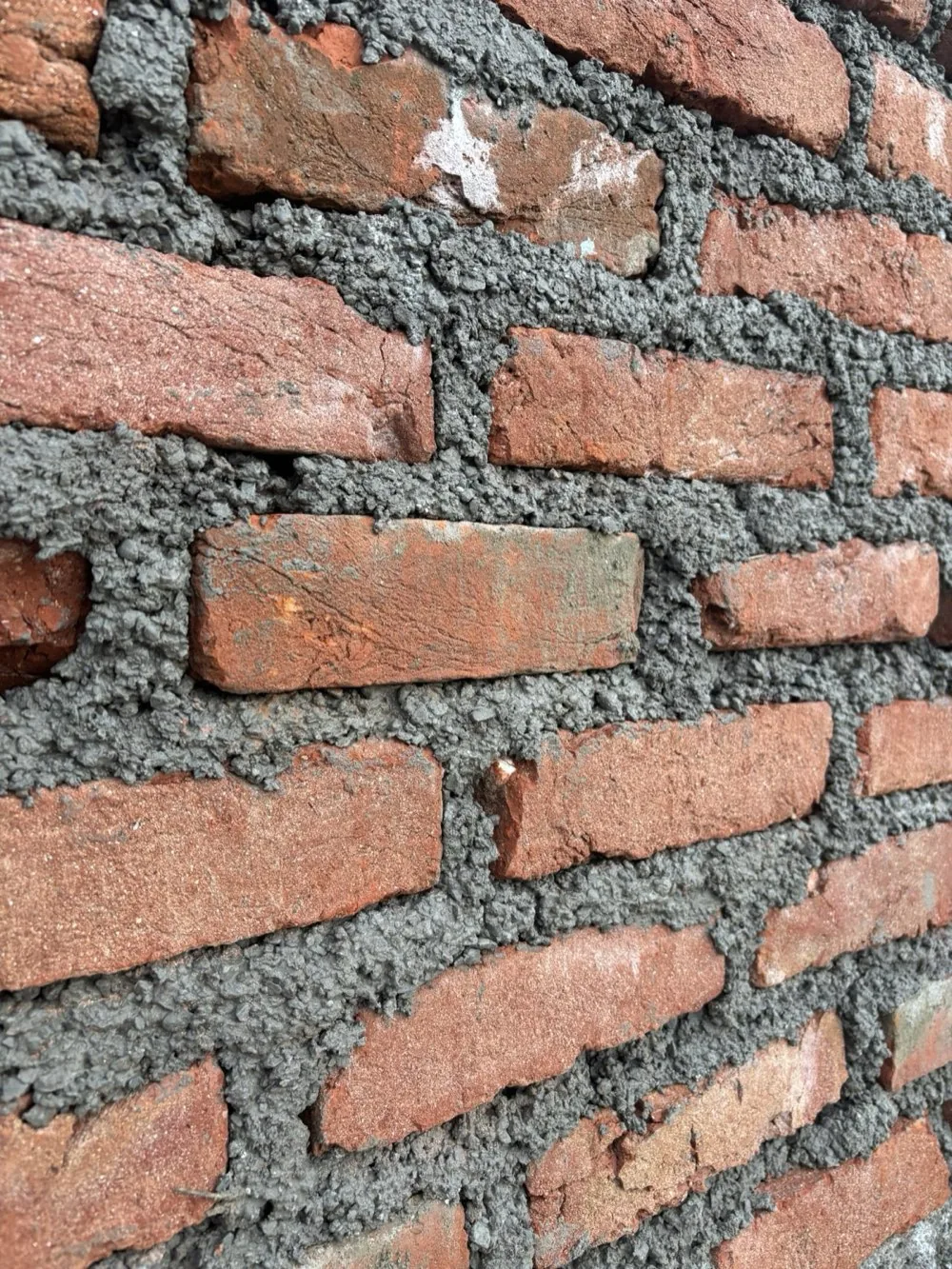
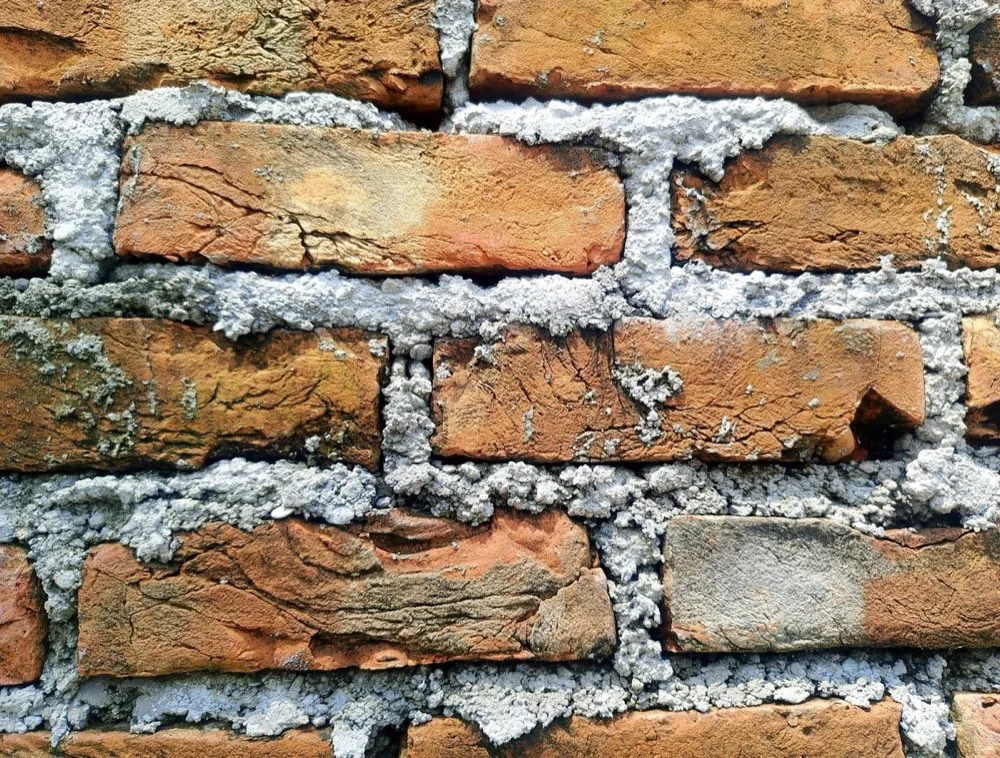
The kind of chimney leak & flashing repair work we handle for Jacksonville Beach homeowners, swipe to see more.
What Our Chimney Leak & Flashing Repair Service Includes
Leak-Source Diagnosis
We find where water is actually entering, not just where the stain appears.
Flashing Repair & Reseal
The roof-to-chimney flashing re-sealed or replaced where it's failed.
Crown & Cap Sealing
Cracked crowns and missing caps fixed to close the most common top-side leaks.
Masonry Waterproofing
Porous brick and open joints sealed so the wall stops soaking up rain.
Why Jacksonville Beach Homes Need Chimney Leak & Flashing Repair
The failure points we most often trace a leak back to here are the step flashing and counter-flashing where the chimney meets the roofline. Salt air accelerates the corrosion of metal flashing, and Florida's thermal expansion, rooflines heat dramatically in summer sun and cool off at night, causes the sealant at flashing joints to crack and pull away faster than it would in a drier inland climate. We also frequently find leaks originating at a cracked chimney crown, which is the mortar cap at the very top of the chimney structure.
We approach leak repair by identifying the actual source before applying any fix, not the most obvious candidate, but the confirmed one. That sometimes means getting on the roof with a hose while someone watches inside, or using a dye test on the crown, because water that enters at one point often travels along the masonry before it shows up somewhere else entirely. Repairs to flashing involve removing the old material, re-bedding new flashing properly against the masonry, and sealing with a product rated for coastal UV and thermal cycling.
If you have noticed water in the firebox, staining on the breast of the fireplace, or a musty smell from the hearth after rain, those are signs worth investigating before the next storm season adds to the damage. We will tell you what we find and what it will take to stop it: no work order pressure, just an honest read of the situation for your Jacksonville Beach home.
Signs You Need Chimney Leak & Flashing Repair
- Water stains or discoloration on the ceiling or wall near the chimney
- A musty, damp smell inside the firebox, especially after rain
- Dripping sounds or visible moisture inside the fireplace
- Peeling paint, bubbling drywall, or rust on the damper near the chimney
How It Works
Call or Request a Quote
Tell us what's going on with your Jacksonville Beach chimney or fireplace and we'll set a time that works.
Free On-Site Assessment
We come out, find the real cause, and give you honest, upfront pricing, no obligation.
Done Right, Fast
We finish the work cleanly and confirm everything is safe and ready to use.
Chimney & Fireplace Services in Jacksonville Beach
Your local Jacksonville Beach team for everything your chimney and fireplace need.
Chimney Repair
Cracked crowns, spalling brick, loose mortar, and water damage repaired to last.
Chimney Sweep & Cleaning
Creosote and debris removed so your fireplace draws cleanly and safely.
Chimney Inspection
Thorough top-to-bottom inspections, ideal before a sale or after a storm.
Chimney Leak & Flashing Repair in Jacksonville Beach
Stop water at its source: flashing, crown, and cap leaks common on Florida roofs.
Chimney Caps
New and replacement caps that keep out rain, debris, and nesting animals.
Chimney Crown Repair
Resealing and rebuilding the concrete crown that protects the top of your chimney.
Chimney Chase Repair
Repair and rebuild the framed chase and chase cover on prefab chimneys.
Chimney Rebuild
Full or partial rebuilds when masonry has deteriorated beyond a simple repair.
Tuckpointing & Masonry
Failing mortar joints raked out and repointed to restore strength and looks.
Fireplace Repair & Service
Fireboxes, dampers, and surrounds repaired and restored to working order.
Fireplace Installation
Clean, careful installation of new fireplaces and inserts.
Gas Fireplace Service
Service and repair for gas fireplaces and inserts, done safely.
Fireplace Restoration
Bring a tired or damaged fireplace back to a clean, safe, working state.